
Humans are constantly looking for ways to live longer – and experts say we may not need to look far.
Your glutes, the largest muscle in the human body, help support the body, keep you moving forward and help you look good in selfies.
But experts say they’re also crucial indicators of our health, including the impacts of disease or an inactive lifestyle.
“Glutes are so important” for independent living, Theresa Marko, an adjunct professor of physical therapy at Touro University, told The New York Times on Wednesday.
“Do you want to get off the subway? Do you want to get off the toilet?”
Stronger and longer
Researchers have long known that building muscle can help us live longer.
Just one hour of strength training a week has been shown to increase life expectancy by 17 percent, according to the non-profit AARP.
Part of it has to do with impacts from aging. The average 30-year-old will lose about a quarter of their muscle strength by age 70 and half by age 90, according to Harvard Health.
“Muscle mass really is the key to longevity. It really is our insurance policy for how long we want to stay functional,” Elaina Manolis, an assistant clinical professor of physical therapy, human movement and rehabilitation sciences at Northeastern University, explained in a statement.
“To live a long and healthy life, you want to be as functional and independent as possible, and that’s going to depend on how well you move.”
No butts about it
The glutes – including the gluteus maximus, gluteus medius and gluteus minimus – are that vehicle for movement and the foundation to keep everything else happy and working well.
They help to prevent injuries and pain, stabilize the hips and pelvis, protect the spine from undue stress and provide shock absorption when you’re walking or running, researchers say.
Past research shows that stronger glutes protect older adults from falling.
“Strong gluteals are important for proper pelvic alignment, propulsion during walking and running and even standing on one leg,” Amy Koch, a physical therapist at Nebraska Methodist Health System, said. “Gluteals also help support the lower back during lifting, and help prevent knee injuries.”
And the benefits may not just be physical: there’s even some evidence that how strong your glutes are is linked to brain health as we age.
“Stronger leg muscles act as pumps that drive cerebral circulation during routine walking, delivering more oxygen and nutrients to your neurons. Muscular activity improves insulin sensitivity, increasing cell energy and reducing inflammation,” Dr. Chris Renna, founder of LifeSpan Medicine, previously told Vogue.
Squat for your life
Americans spend an average of up to eight hours a day sitting, leading to what experts call “dead butt syndrome.”
Dead butt syndrome occurs due to muscle weakness, creating a “dead” feeling in your butt.
“There’s a real snowball effect when that weakness builds,” says Dr. Andrew Bang, a chiropractor with the Cleveland Clinic, said. “While dead butt syndrome may be a funny term, it can grow into some serious health issues that affect your ability to move.”
There are ways to prevent dead butt syndrome, including sitting up straight, keeping your feet flat on the floor, avoiding crossing your legs and frequently shifting in your seat.
But you’re still overloading some muscles – the hamstrings and neck – and not working your glutes, core and supportive muscles. That can even make it difficult to get up out of your seat.
“Sitting for most of the workday, an average of eight hours, raises your mortality risk, meaning you have a higher chance of dying earlier than expected,” Dr. Callie M. Davies, a sports medicine physician at the Mayo Clinic, said.
So, move it or lose it!
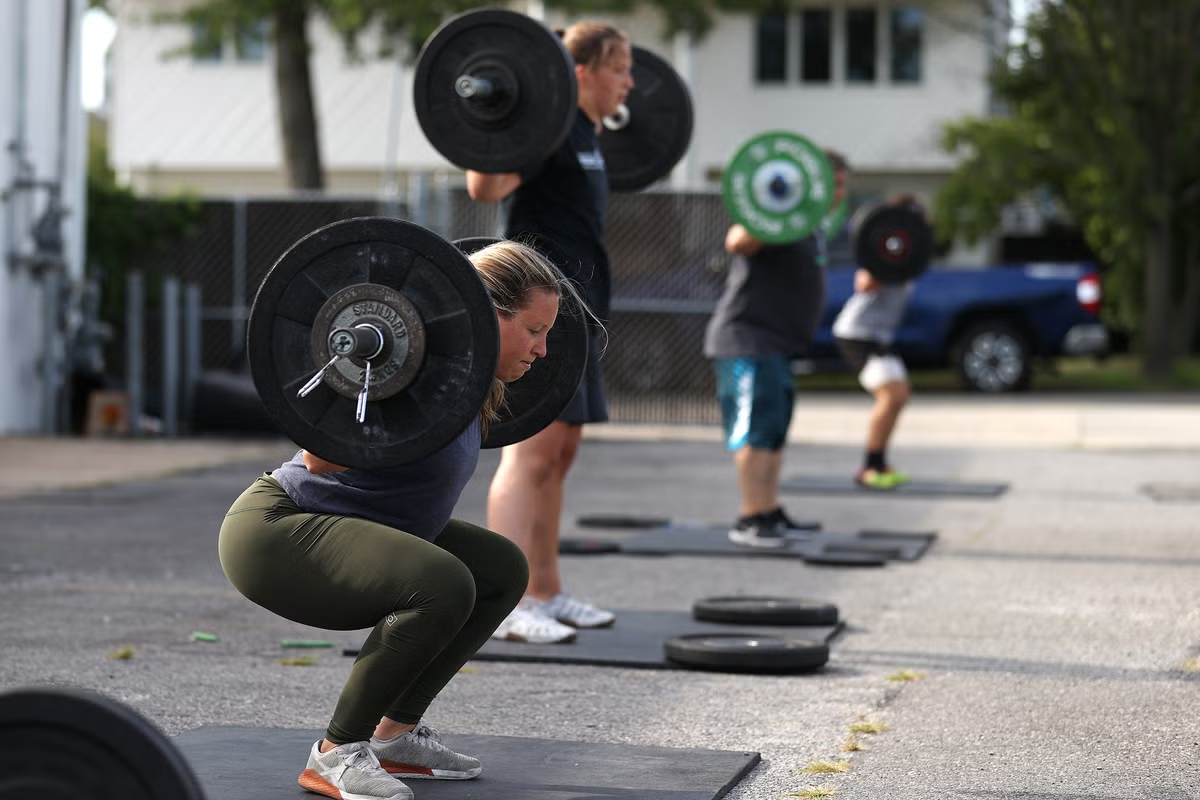
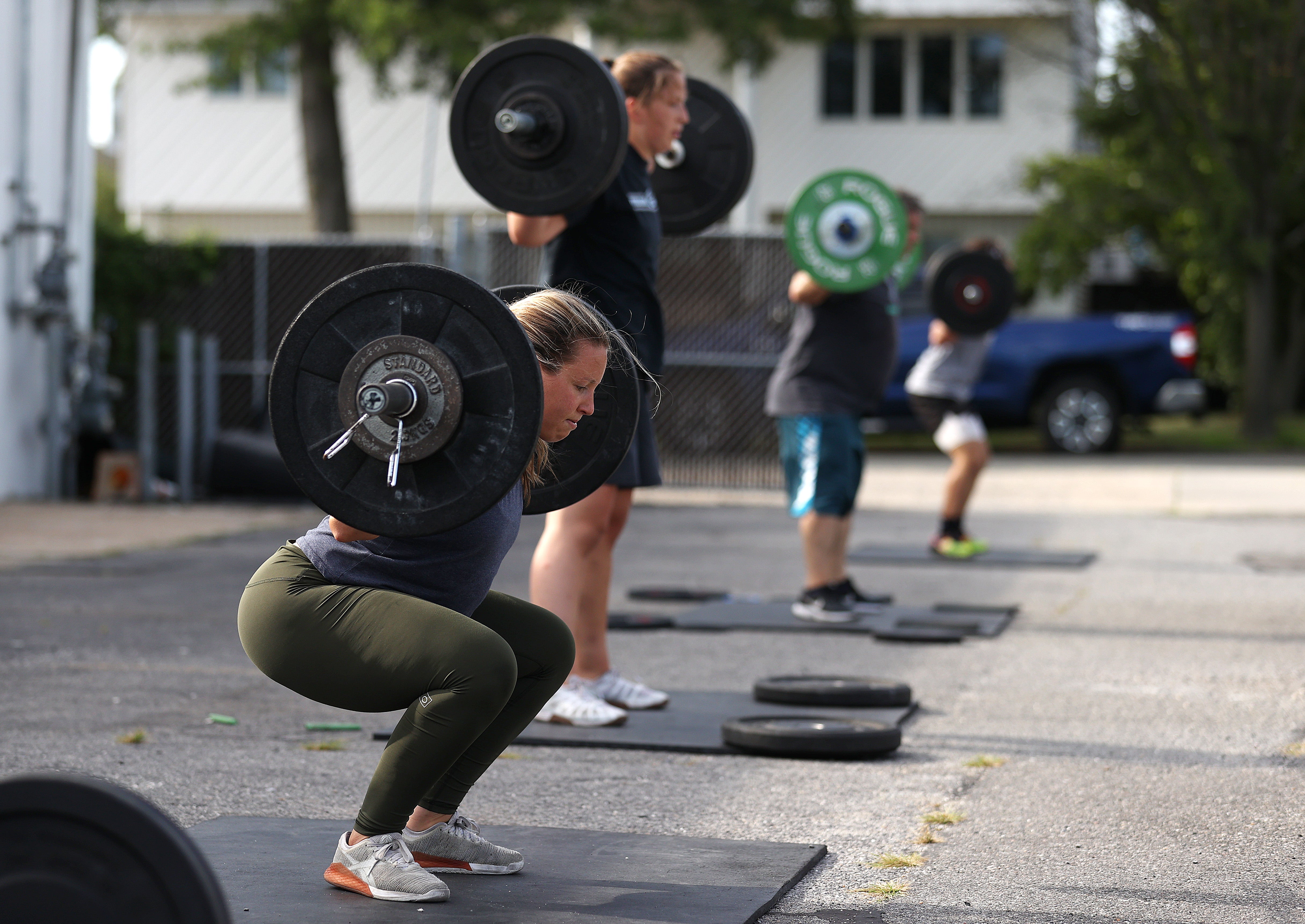
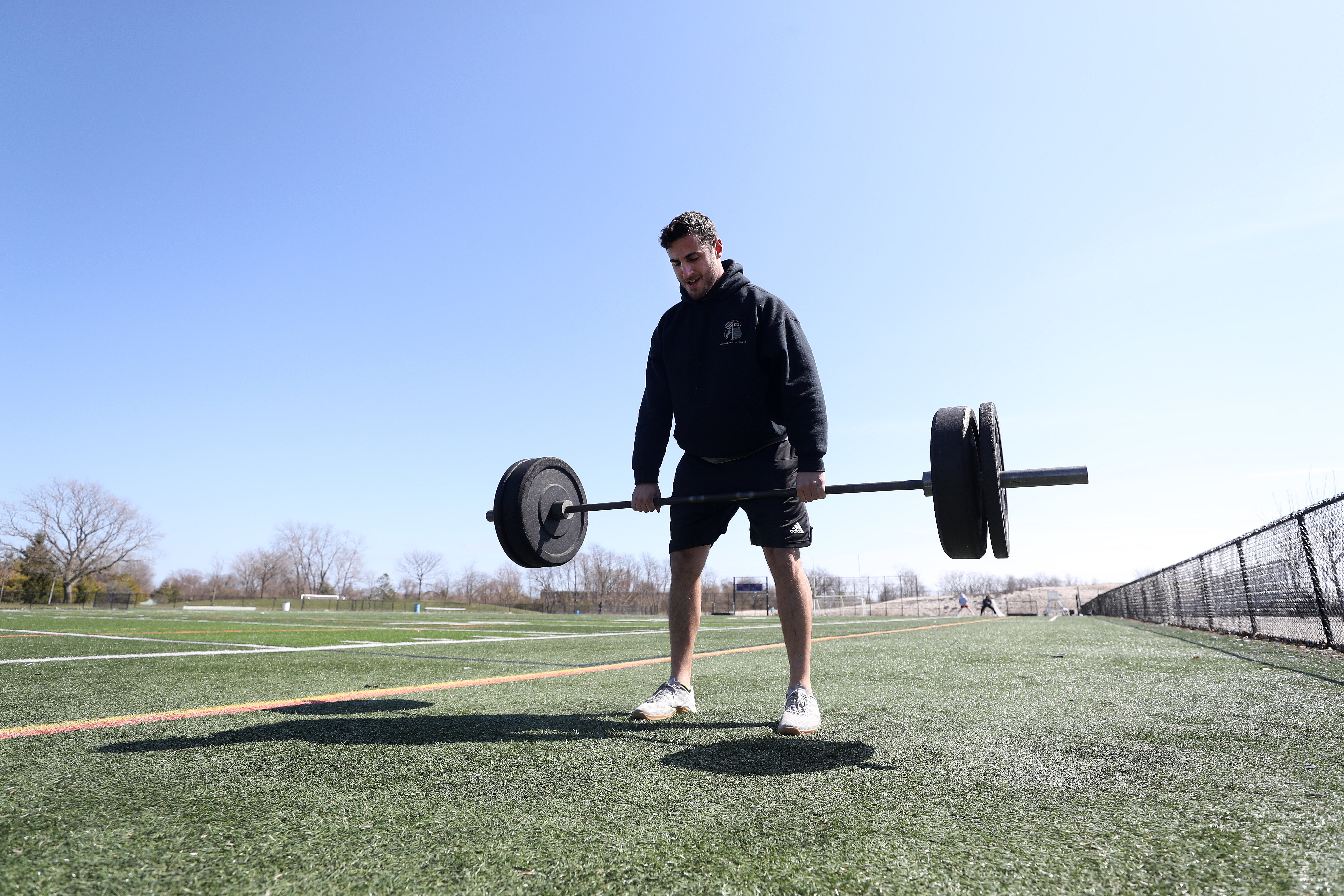
Practicing glute bridges, squats, hip thrusts, deadlifts and other targeted exercises can help to build your butt muscle. So can using a stairmaster, climbing stairs or going on a run.
You don’t even need to do that much!
The International Sports Sciences Association recommends doing a set of 6-12 repetitions with heavy resistance when using weights to build muscle.
“What they need to do is mimic movement patterns that we would see in everyday life,” Sandor Dorgo, a professor of kinesiology at the University of Texas at San Antonio, told The NYT.

