

Want to bookmark your favourite articles and stories to read or reference later? Start your Independent Membership today.
Already a member?
Log in
Lung cancer stands as the UK’s third most common form of cancer, with around 50,200 new cases diagnosed each year, according to Cancer Research UK.
Yet the vast majority of people remain unaware of what the key hallmark symptoms of this disease actually are.
Ahead of Lung Cancer Awareness Month this coming November, Tom Routledge, a consultant thoracic surgeon at HCA Healthcare UK’s London Bridge Hospital, has outlined the essential “ABCD” warning signs that everyone should learn and flag with a doctor.
A – Appetite loss and unexplained weight loss
“The A stands for appetite loss, but it’s also the shorthand for unexpected or unplanned weight loss, usually combined with feeling fatigued,” says Routledge. “It’s important to flag this up with a doctor when it’s persistent and doesn’t get better over a few months.”
B – Breathlessness or coughing up blood
Don’t ignore shortness of breath that develops or worsens overtime.
“Breathlessness is another insidious sign of lung cancer that tends to creep up on people,” says Routledge. “Many people tend to put shortness of breath down to getting older, but actually it’s worth getting it checked out.”
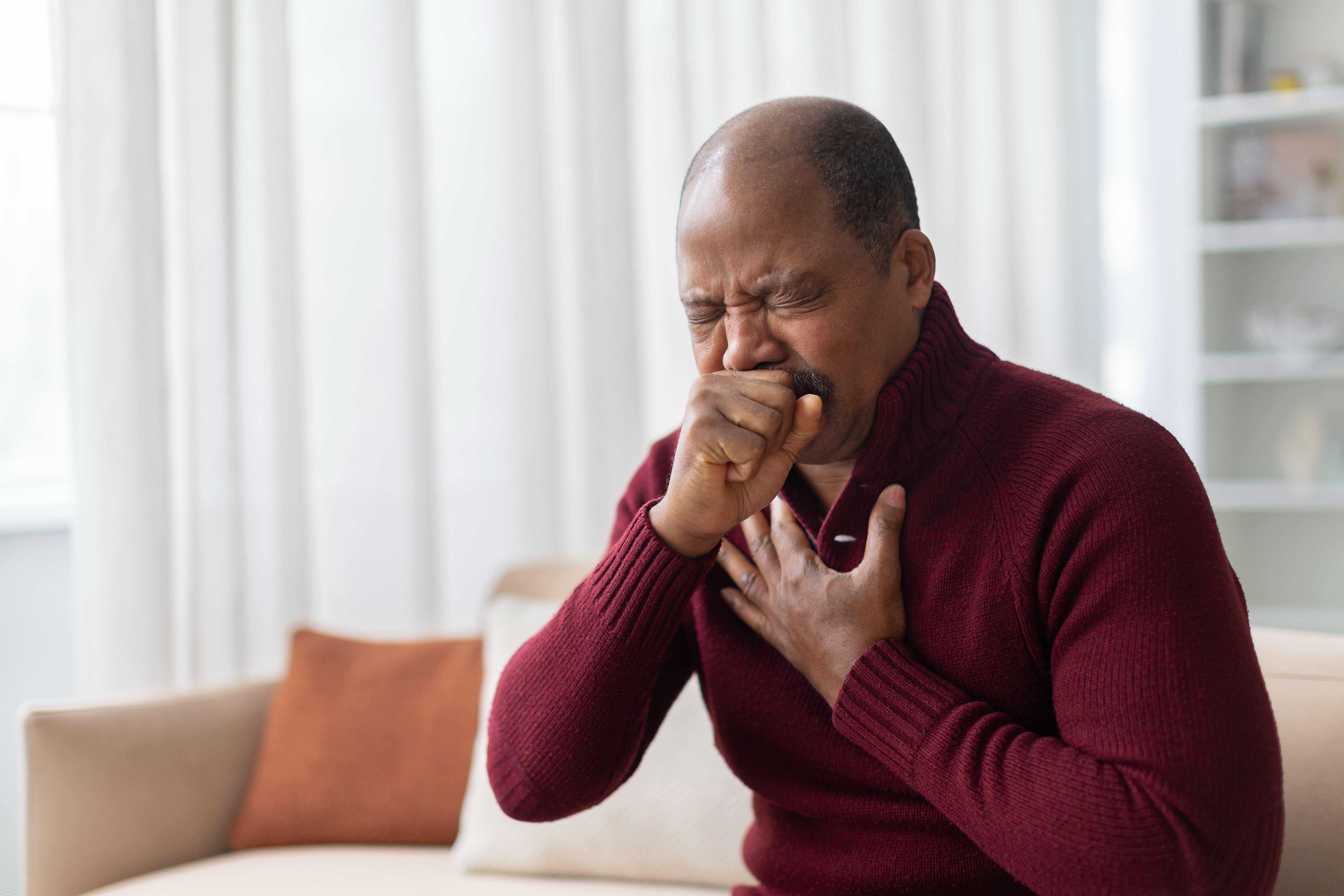
He adds that B also stands for coughing up blood.
“Coughing up blood is more of an obvious danger sign that scares most people and usually triggers them to seek medical help,” says Routledge.
C – Persistent cough or chest pain
“Coughs come and go all the time, particularly heading into autumn and winter, but if you’ve had a cough that isn’t getting better month after month, that is a concerning sign,” says Routledge.
“C also stands for chest pain, but this is a much rarer cancer symptom.”
D – Difficulty swallowing or changes to your voice (dysphonia)
“Difficulty swallowing can be a sign that there is cancer pressing on your oesophagus,” says Routledge.
“D can also stand for dysphonia, which means your voice changes, which can be quite an early and noticeable sign of lung cancer. The cancer can press on one of the nerves to your vocal cord and give you a hoarse voice.
“So, if you suddenly get a hoarse voice, this is certainly something that warrants getting checked out quite quickly.”

He adds that you don’t need to wait until you have all the signs to see a doctor.
“You should contact a GP if you have even a single persistent symptom,” advises Routledge. “All of these symptoms are more likely to be caused by something like a nasty virus or asthma rather than lung cancer. However, it could be cancer, so it’s always worth getting them checked out.”
How is lung cancer diagnosed?
If a GP refers you to a specialist because they think you could have lung cancer, you’ll have tests to check for cancer.
A CT scan is the gold standard for early detection.
“Chest X-rays often misses small early tumours, as they can be hiding away, and there isn’t a reliable blood test that is helpful for early-stage lung cancer,” says Routledge.
“So, most people will have a CT scan of their chest, which is painless and very quick, and is a very useful way of determining if you have lung cancer or not.”
Why is early diagnosis important?
“If lung cancer is found at the earlier stage when it is just in one part of your lung, then surgery or radiotherapy has an excellent chance of nipping it in the bud and controlling it for good,” says Routledge.
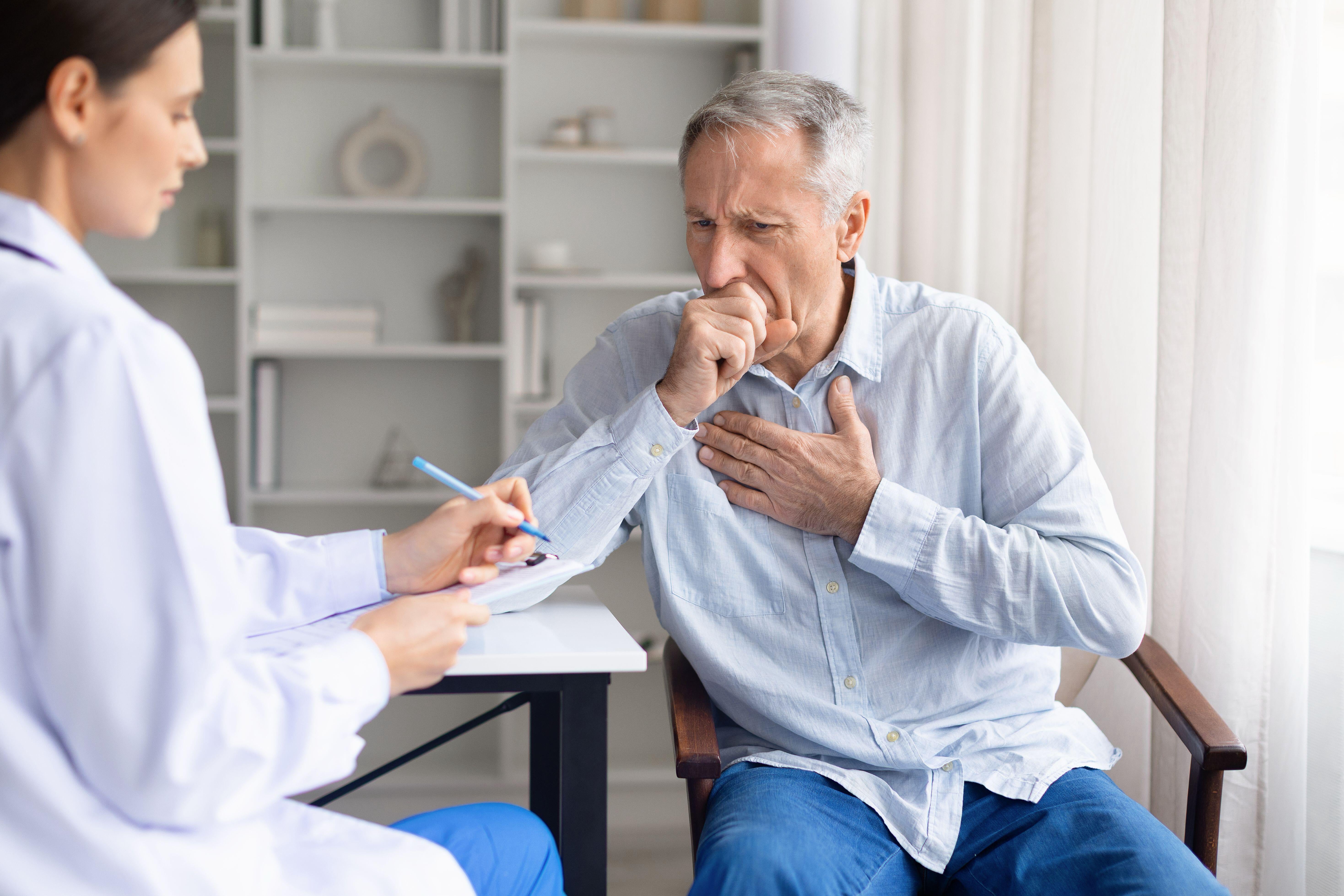
“Whereas, if you wait until it’s begun to spread, treatment is more likely going to be aimed at controlling the cancer for a period of time rather than getting rid of it.”
Is there a national screening programme for lung cancer?
“There has been a huge push in recent years, and quite successfully in the UK, to start a screening programme for lung cancers,” says Routledge.
“At the moment, screening is targeted at people who are at a higher-than-average risk of getting lung cancer.”
Currently, NHS lung health checks are only available in some parts of England.
According to the NHS website, you may be contacted by your GP or a local NHS service to take part in lung cancer screening if all of the following apply to you:
– you live in an area where lung health checks are currently offered– you’re aged between 55 and 74– you’re registered with a GP surgery– you’re a current or former smoker


