
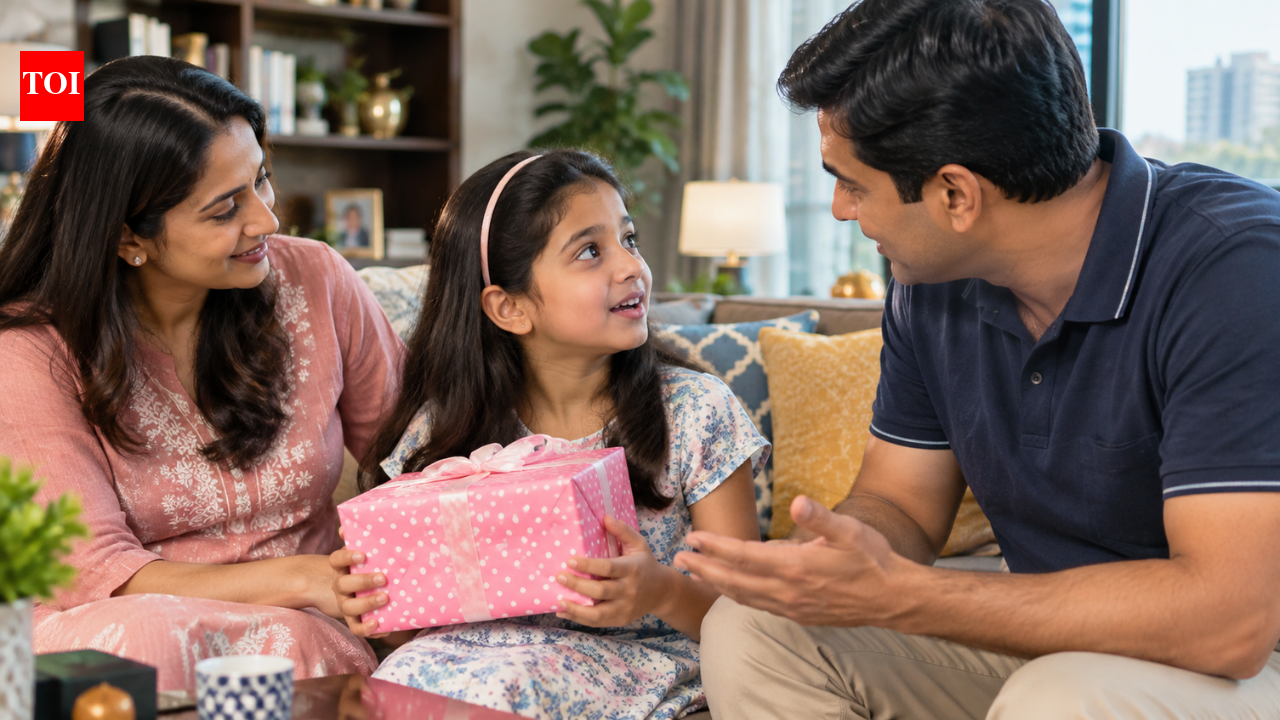
A child opening a birthday present may pause before trying it out and ask, “How much did this cost?” The question can catch parents off guard. They may wonder whether the child is comparing gifts, worrying about money or simply being curious about the price. But a question about a gift’s cost can also be an opportunity to understand how children begin to make sense of money. As they grow, children learn that the things people buy have prices, that some items cost more than others and that adults make decisions about what they can afford. They are also beginning to work out what makes something valuable: its price, how useful it is, how much they like it or who gave it to them.Research on children’s understanding of value and money offers useful clues about this process. However, no single question about a gift can reveal exactly what a child is thinking.
22 Sept 2026 | 15:04
What pregnancy purchase turned out to be genuinely useful?
Children are learning that price and value are not always the same
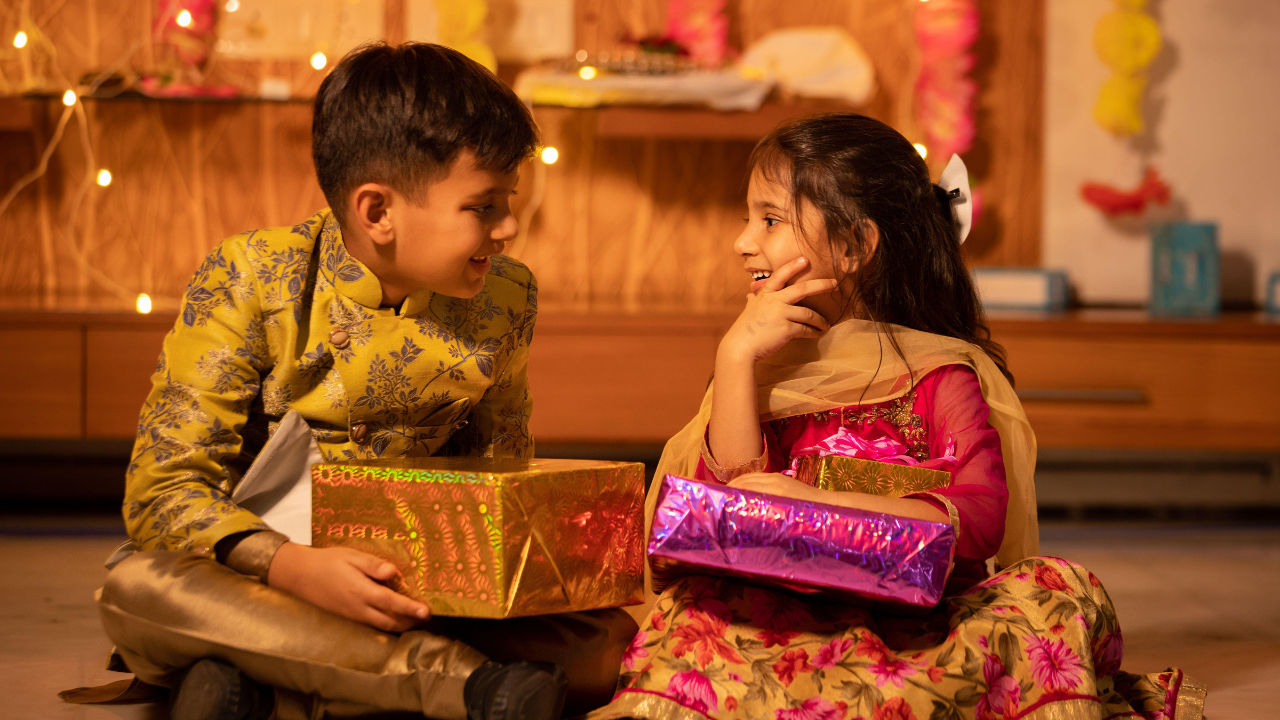
Photo: Canva
A child may assume that an expensive toy is better than a cheaper one, or wonder why a small gift costs more than a larger one. These questions can reflect an effort to understand how prices relate to the things people buy. A 2016 study, ‘How is value perceived by children?’ explored how children aged 7 to 14 understood value through diaries and interviews about products relevant to their lives. The researchers found that children considered both the benefits they received from a product and what they had to give up to obtain it. The factors influencing their judgements also varied with age and the type of product.This helps explain why children may ask about the cost of a birthday present, a new pair of shoes or a toy their friend owns. They may be trying to connect the price with what they see or experience. For example, a child who learns that one toy costs ₹500 and another costs ₹2,000 may wonder what makes the second one more expensive. The question does not necessarily mean the child cares only about money. They may be trying to understand the difference between the two products.
They may be noticing how adults make spending decisions
Children also learn about money by watching what happens at home. They notice when parents compare prices, wait for a sale, choose one product over another or explain why something is too expensive. A 2024 study examined financial understanding among 817 children aged four to six in the UK. It found that children whose parents regularly discussed their spending choices had financial understanding scores about 10% higher than those whose parents did not have these conversations as often. The researchers cautioned that the findings show an association and do not establish that these discussions alone caused the difference. The finding highlights how everyday conversations can help children learn about money. They do not need a formal lesson every time they ask about a price. A simple explanation of why a parent chose one item over another can help them understand that spending involves decisions and limits.
A question about a gift may also be about what makes it special
The meaning of a gift is not always tied to its price. A child may treasure an inexpensive book because a grandparent reads it with them, while a costly toy may lose its appeal after a few days. Children gradually learn that money has a practical role, but gifts also carry personal and social meaning. A present can represent affection, attention or a shared memory. At the same time, children may notice that adults sometimes spend more on certain occasions or people.Research on how children learn about consumer behaviour explains that children’s knowledge, skills and values as consumers develop over time. Their understanding is shaped by cognitive development and social experiences, including what they observe and learn from adults. So, when a child asks how much a gift costs, the question may have several possible meanings. They could be comparing it with something they have seen, trying to understand why it costs what it does or simply asking for information. Parents should avoid assuming that the question reveals greed, ingratitude or a lack of appreciation.
How parents can respond when children ask about the price of a gift
The way parents answer can turn a passing question into a useful conversation about money.
- Answer simply and honestly: Parents do not need to share every detail of the family budget. They can give an age-appropriate answer, such as, “It cost ₹800. We planned to spend that much on your birthday gift.”
- Explain what goes into a spending decision: If a child asks why one item costs more than another, explain the difference in quality, size, materials or usefulness when relevant. This helps them understand that prices can vary for several reasons.
- Talk about value beyond money: Ask what the child likes about the gift. Is it fun to use? Does it remind them of someone? Will they use it often? These questions help children think about why an object matters to them, rather than judging it only by its price.
- Avoid shaming the question: Responding with “Why do you care about the cost?” or “You should be grateful for what you get” may shut down the conversation. A child asking about money is not necessarily being ungrateful. If they compare gifts or appear disappointed, parents can address that behaviour separately without treating curiosity about price as a character flaw.
- Let children see everyday money choices: Comparing prices at a shop, planning a small purchase or explaining why the family is saving for something can make money less mysterious. The aim is not to make children worry about household finances, but to help them understand that spending involves choices.


