

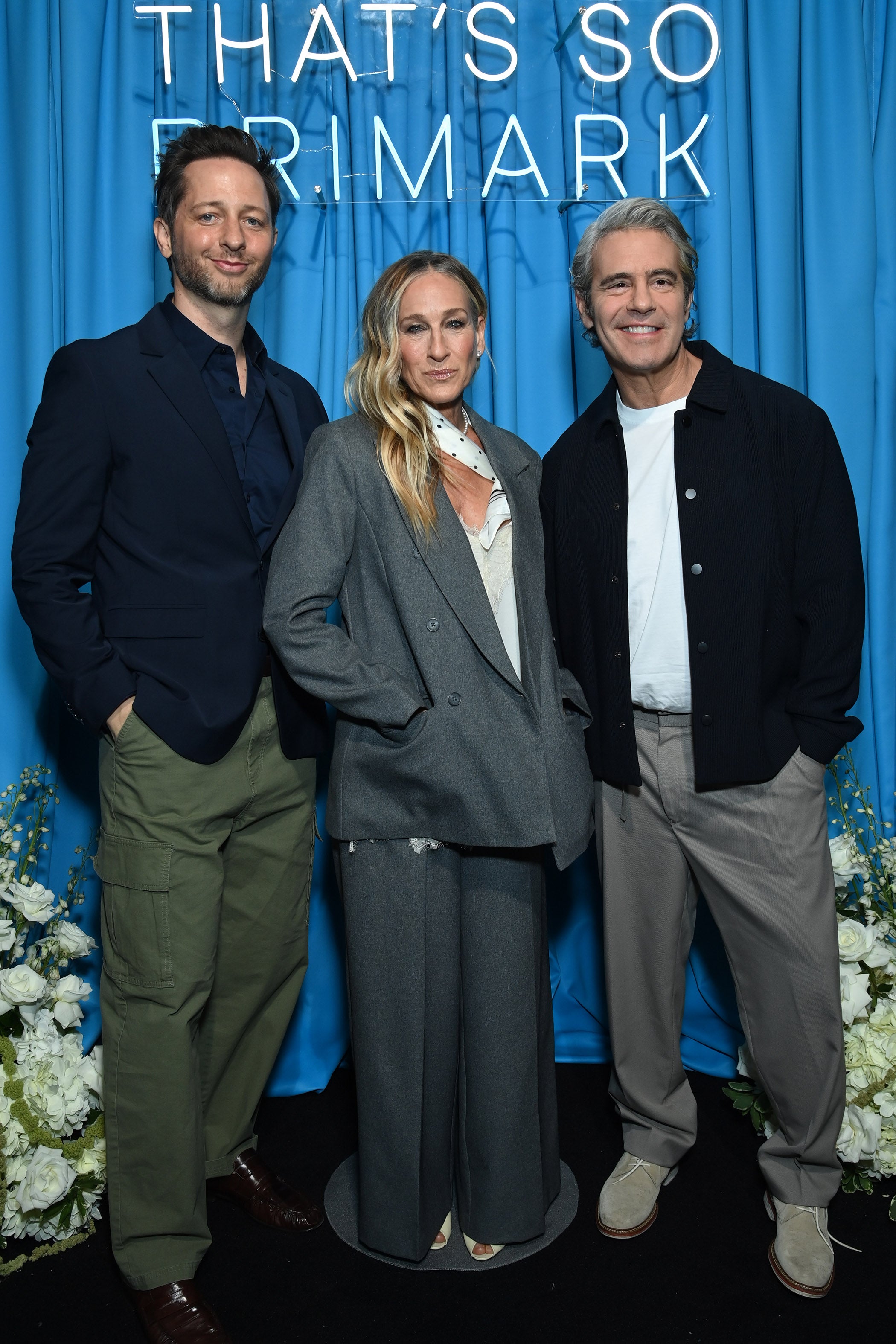
On Friday, something surreal unfolded on New York’s West 34th Street. The Empire State Building glowed cerulean blue, while a Hollywood-style carpet unfurled along the sidewalk. Then came Sarah Jessica Parker, flanked by a motley crew of A-listers — including Andy Cohen, Emily Ratajkowski and Winnie Harlow — all smizing for paparazzi to commemorate the opening of… wait for it…. A Primark. Yes, Primark, the Irish fast-fashion chain best known for bargains like “three thongs for £10 ($13.50).”
The spectacle has already become the subject of online bemusement, particularly among Brits (myself included), who are struggling to reconcile the retailer’s mass-market reputation with the full celebrity fanfare of a Manhattan flagship launch. In the U.K., Primark occupies such an unserious place in the cultural psyche that we call it “Primarni” — a mashup of Primark and Giorgio Armani to highlight its cheap lovability — that you’d be hard-pressed to find a U.K. celebrity willing to walk the blue carpet with the same sincerity as SJP. That’s partly because Primark’s image at home is complicated. Alongside its ultra-low prices and cult basics, it has faced sustained scrutiny over the environmental and labour implications of fast fashion, as well as criticism of its often chaotic in-store experience. Visiting the London flagship store on Oxford Street is a bit like entering Dante’s Inferno — screaming babies, strange odours and piles of random clothing strewn everywhere. It’s somewhere you go every 18 months to stock up on the essentials like multi-pack tank tops, underwear and makeup sponges.
So you can imagine the confusion when photos emerged of Parker — an actor synonymous with couture and Manolo Blahnik stilettos — dressed in Primarni from head to toe, posing before an LED sign that reads “That’s So Primark.” Instagram posts showed hyper pop star Kim Petras behind the decks and Harlow — usually strutting down runways for Fendi, Schiaparelli and Marc Jacobs — pouting while holding up a $5 sweater. “Carrie Bradshaw at Primark? That’s the biggest recession indicator,” joked one baffled Brit online. “The concept of SJP shopping three thongs for a fiver has ended me,” wrote another. The meeting of high and lowbrow was compared to “Anna Wintour opening a Shein store.”
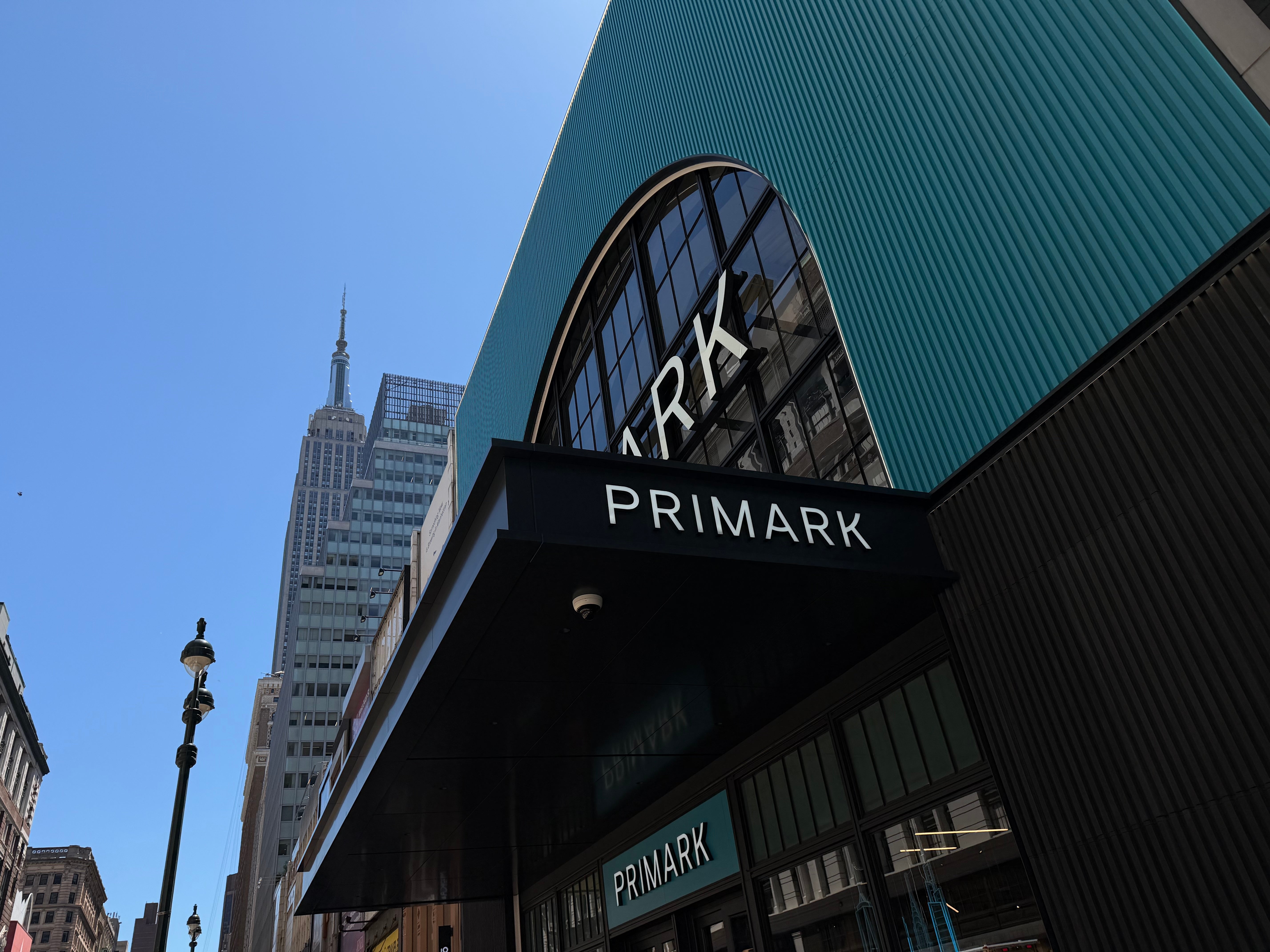
As a Brit living in New York, I needed to visit the Primark worthy of Parker’s presence — as an ambassador, if nothing else. Perched in the shadow of the Empire State Building, opposite the Macy’s in Midtown Manhattan, it becomes immediately clear that this is no ordinary Primark. Set across three airy and light-filled floors, the store stretches 54,000 sq. ft., with a shiny escalator running through the center. I was shocked at the premium feel of the place. My shopping experience on a Tuesday lunchtime was almost unnervingly calm — the first time I’ve browsed a Primark without breaking a sweat. The shoe section is extensive and well-organized — I even spy a pair of pumps resembling the Manolo Blahniks worn by Parker’s character Carrie wore in Sex and the City — and the iconic mix-and-match panty table is well-managed and regularly tidied (an unimaginable feat in U.K. stores).
Founded in Dublin in 1969 under the name Penneys, Primark began as a no-frills discount clothing store catering to tight budgets during a bleak economic period in Ireland. For its international expansion, the company was forced to rebrand as Primark due to a trademark dispute with US retailer JCPenney, and went on to build one of Europe’s earliest fast-fashion empires.
That model of consumerism fits in well in America, and Primark bosses know it. The retailer opened its first stateside store in 2015, and now has 39 others across the country. Kevin Tulip, president of Primark U.S., said that the opening of the flagship was a “defining moment” for Primark’s growth. “New York is a city where trends are born and where style is worn with unstoppable confidence,” he said. “But great style should not come with an impossible price tag and that’s where Primark comes in.” Shoppers are clearly excited: customers queued to get into the new Herald Square store over the weekend (again, another thing you could never imagine happening in the U.K.).
While Primark is gaining traction stateside, its appeal has cooled back home in recent years. The retailer’s ultra-low-cost business and ethical practises came under the spotlight when a 2009 BBC Panorama investigation found evidence that a number of its suppliers in India were using child workers. Primark cut ties with the suppliers at the time and cited the issue as “wholesaler deception.”
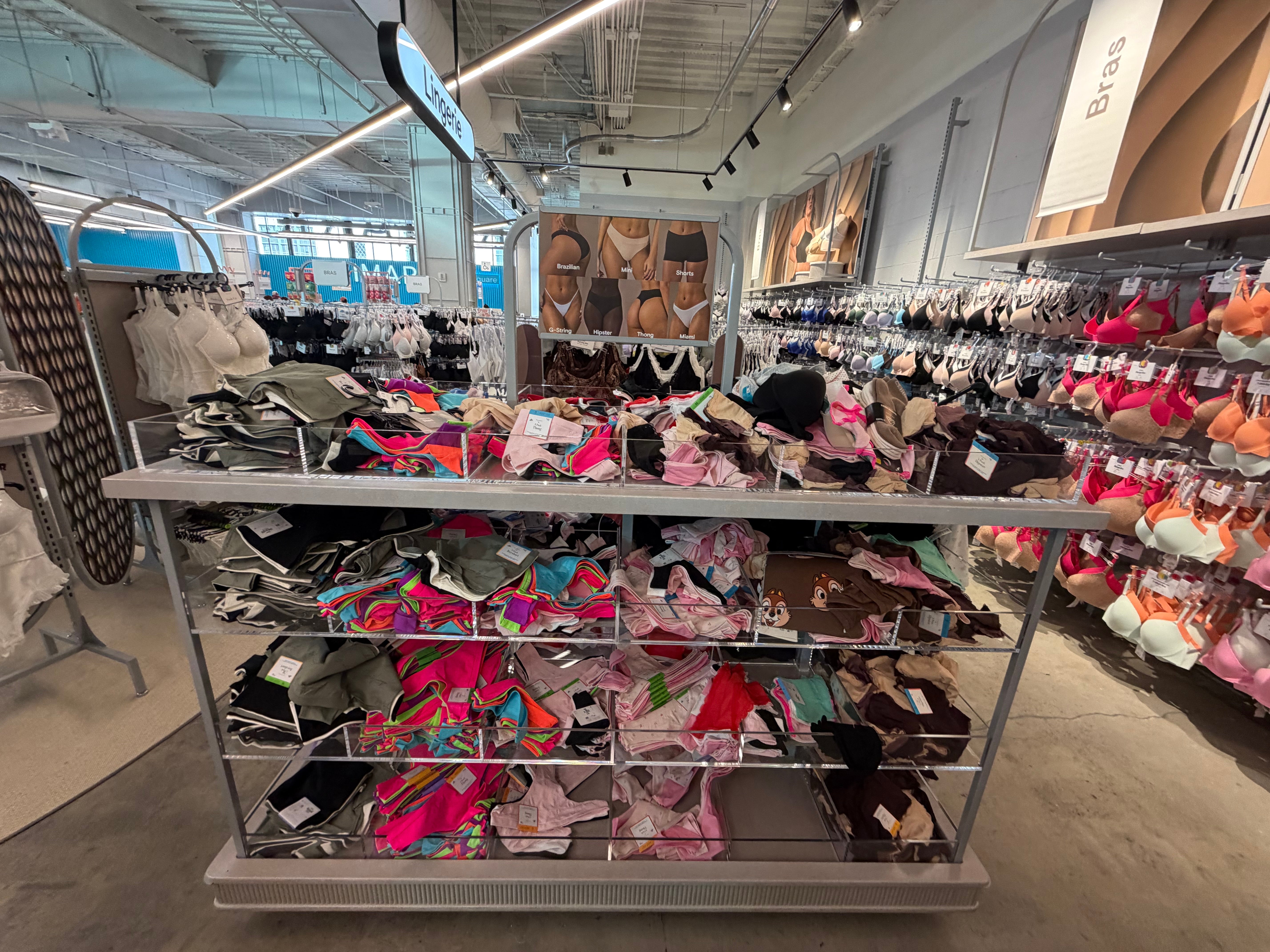
In 2021, Primark launched its “Primark Cares” sustainability strategy, pledging to make its products more durable and its operations more responsible by 2030 — an attempt to square the circle between ultra-low prices and a greener image. Still, Primark epitomizes the type of consumerism that critics say fuels environmental degradation — a rapid turnover of low-quality, inexpensive clothing, and a culture of disposability. It’s a place where you can buy a three-pack of mini lint rollers for absolutely no reason whatsoever.
At this strangely boujee Primark, I couldn’t help but wonder how easy it is to reinvent yourself when nobody knows much about your past. In New York, Primark is polished, flanked by A-list friends and bathed in cerulean light. She’s reinvented herself. She’s in her clean girl era, if you will. Given America’s consumerist culture — I have lived here for just under three months and every day I am alarmed and fascinated by it — Primark will surely thrive here, for better or worse. As for the onlookers back home, I think this comment about the opening summed it up best: “We were gagged, confused and entertained.”

