

Parents often try to ease a child’s anxiety by offering repeated reassurance, adjusting family routines or helping them avoid situations that cause distress. While these responses may bring relief in the moment, a new study suggests that such patterns of parental behaviour are associated with more severe social-anxiety symptoms among children and adolescents already experiencing anxiety-related difficulties.Published in Scientific Reports, the study examined a parenting process known as “family accommodation”, which includes changes parents make in response to a child’s anxiety, such as repeatedly reassuring them, modifying routines or helping them avoid feared situations. Researchers found that parents of children diagnosed with social anxiety disorder reported more of these behaviours than parents of children without a current or past mental disorder. Higher levels of family accommodation were also associated with greater social-anxiety or anxiety symptom severity.
5 Oct 2026 | 12:06
Parents, when your child refuses to greet relatives, do you make them say hello or respect their choice?
The findings do not mean that reassuring an anxious child causes social anxiety. The researchers used cross-sectional data, which capture associations at a particular point rather than establish which factor came first. A child’s more severe anxiety may prompt parents to accommodate their distress, parental accommodation may contribute to patterns of avoidance over time, or both may influence each other.
What the researchers examined

The study, titled *Family accommodation is associated with childhood social anxiety disorder and anxiety symptom severity*, was conducted by a research team led by Nadine Vietmeier and included researchers David Phan, Eva-Maria Fassot, Vera Hauffe, Anna-Lina Rauschenbach, Julian Schmitz, Brunna Tuschen-Caffier and Julia Asbrand.The team analysed questionnaire and diagnostic-interview data from three clinically characterised samples in Germany. Together, the samples included 333 children and adolescents: 121 with social anxiety disorder, 65 with specific phobia and 147 healthy controls. The researchers assessed family accommodation alongside a second parenting dimension called “challenging parenting behaviour”, which refers to encouraging children to explore, become more independent, try new things and take age-appropriate risks.The distinction matters because the two parenting processes describe different responses. Family accommodation is directly linked to a child’s anxiety in particular situations, while challenging parenting behaviour reflects a broader approach to encouraging autonomy and exploration. The study therefore examined whether either process was associated with social anxiety and symptom severity.Parents of children with social anxiety disorder reported significantly higher family accommodation than parents of healthy children. This pattern was observed in mothers’ reports and, in one sample, fathers’ reports as well. Higher accommodation was consistently associated with greater child social-anxiety or anxiety symptom severity across the analyses.However, the researchers did not find significant differences in challenging parenting behaviour between children with social anxiety disorder and healthy controls. Nor was this broader autonomy-promoting behaviour consistently associated with symptom severity. The findings suggest that the specific ways parents respond to a child’s anxiety may be more closely linked to current symptoms than the general tendency to encourage independence within the two parenting dimensions examined.
Why reassurance and avoidance may matter

Social anxiety disorder involves persistent fear of being judged negatively, embarrassment in social settings or scrutiny by others. For children and teenagers, these fears can make everyday experiences, including interacting with peers, participating in school activities or speaking in front of others, difficult.When a child becomes distressed, a parent may understandably try to make the situation easier. They might repeatedly promise that nothing bad will happen, change plans to avoid a social event or allow the child to withdraw from a feared activity. Such actions can reduce distress in the short term. But researchers note that regularly helping a child avoid feared situations may also limit opportunities to practise coping with discomfort and learn that some situations can be managed.This is a possible explanation for why family accommodation may be associated with more severe anxiety, rather than proof that accommodation itself worsens symptoms. The relationship could run in both directions: children experiencing more intense anxiety may seek more reassurance or avoidance, leading parents to adapt their behaviour more frequently.The study also explored whether family accommodation distinguished social anxiety disorder from other anxiety conditions. It did not find clear evidence that the parenting processes examined were specific to social anxiety when compared with other anxiety presentations. This means the association may reflect a broader pattern across childhood anxiety disorders rather than a feature unique to social anxiety.
What the findings mean for parents
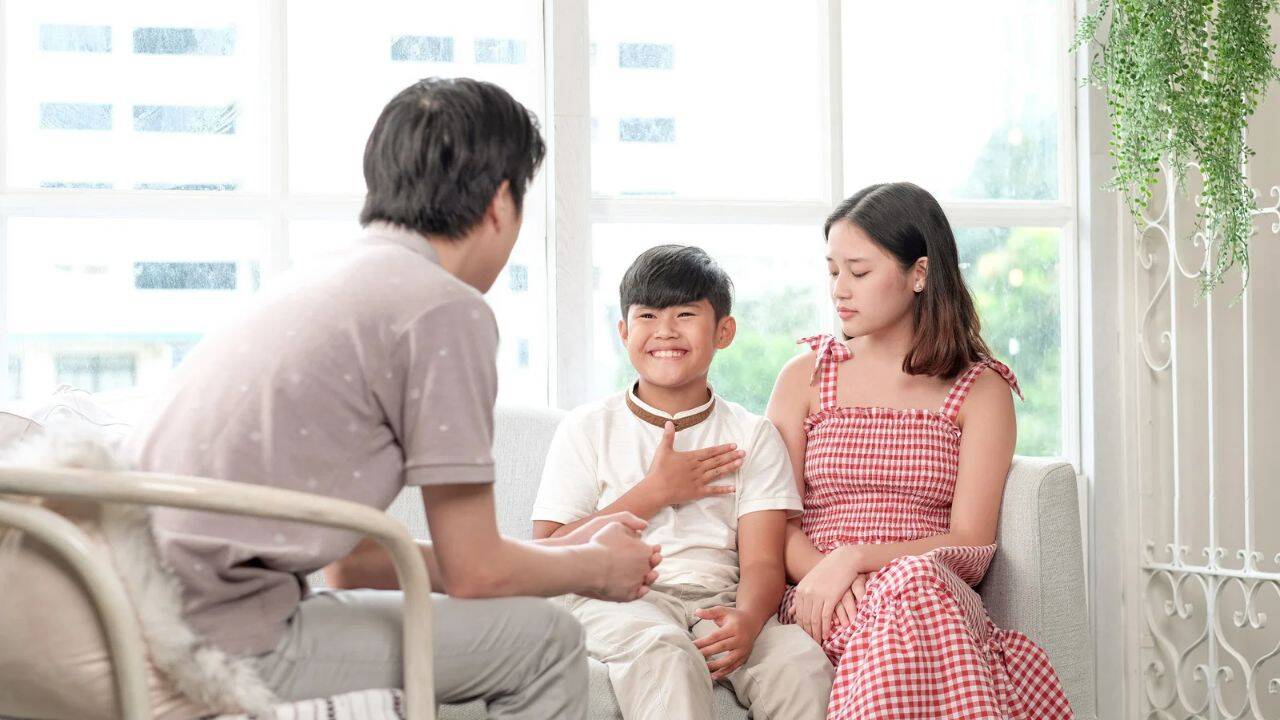
The results should not be read as a warning against comforting anxious children. Reassurance, empathy and support remain important, and the study does not establish that parents should abruptly stop offering help or that accommodation alone explains a child’s difficulties.Instead, the findings highlight the value of noticing how support is offered. Parents and clinicians may find it useful to consider whether repeated reassurance or changes to family routines are becoming the main way of managing anxiety, and whether a child is losing opportunities to build confidence and cope with challenging situations in an age-appropriate way. Any changes should be sensitive to the child’s needs and, when anxiety is significantly affecting daily life, considered with a qualified mental-health professional.The researchers emphasise that longitudinal research is needed to establish how these patterns develop over time and to clarify causal direction. For now, the study identifies family accommodation as a consistent correlate of childhood social-anxiety and anxiety severity, not a proven cause. Its central message is that the specific responses families make to anxiety may be worth assessing alongside the child’s symptoms, while avoiding blame or oversimplified conclusions about parenting.


