

Want to bookmark your favourite articles and stories to read or reference later? Start your Independent Membership today.
Already a member?
Log in
The stark beauty of winter’s frosty landscape is a feast for our eyes, but for our birds, it means the food cupboards are bare.
Sharing our food and creating safe havens for our tiny winter visitors will help them survive the cold months ahead. “Nature looks like it’s gone to sleep in winter but our birds are still around,” says bird expert Jenny Shelton of The Wildlife Trusts. “People’s gardens are so important in giving birds a helping hand now that finding food in the countryside is not so easy and there’s fewer insects.”
She also points out, “Many garden birds are particularly vulnerable to the cold. Tiny wrens are the weight of two teaspoons of sugar. They don’t have much body fat and need to keep warm.”

The ideal way to provide natural food and safe, protected places when the hard frosts arrive is by planting the right plants. Shelton says, “The foundation of a really good nature garden starts with thinking about the sort of dense shrubs, like ivy and holly, which provide natural cover as well as winter food like berries.”
Now is also a good time to install a nest box for the winter, or clean out an old one. “Birds normally bring their own material for nesting, but you can put some hay or wood shavings in there, and you never know, you might get roosting wrens or a mouse might sneak in for a snooze.”
And she advises, “Just use boiling water to clean a box, leave it to dry, and then pop some hay in it, just in the bottom, to help get rid of any additional parasites, and it’ll help keep it fresh.”
Our native shrubs are best to plant for food because birds rely on them in the countryside. Shelton suggests, “Plant berry plants such as holly, ivy, pyracantha, hawthorn and cotoneaster, and also keep some highly nutritious rose hips for blackbirds and other birds.”
Shelton tells a fun fact about berries. “Many birds, and this definitely true of waxwings and thrushes, prefer red berries. Their next best is orange, and if there’s no red or orange, they might go for a yellow berry. And if there’s no berries at all, they’ll go to the white berries!”
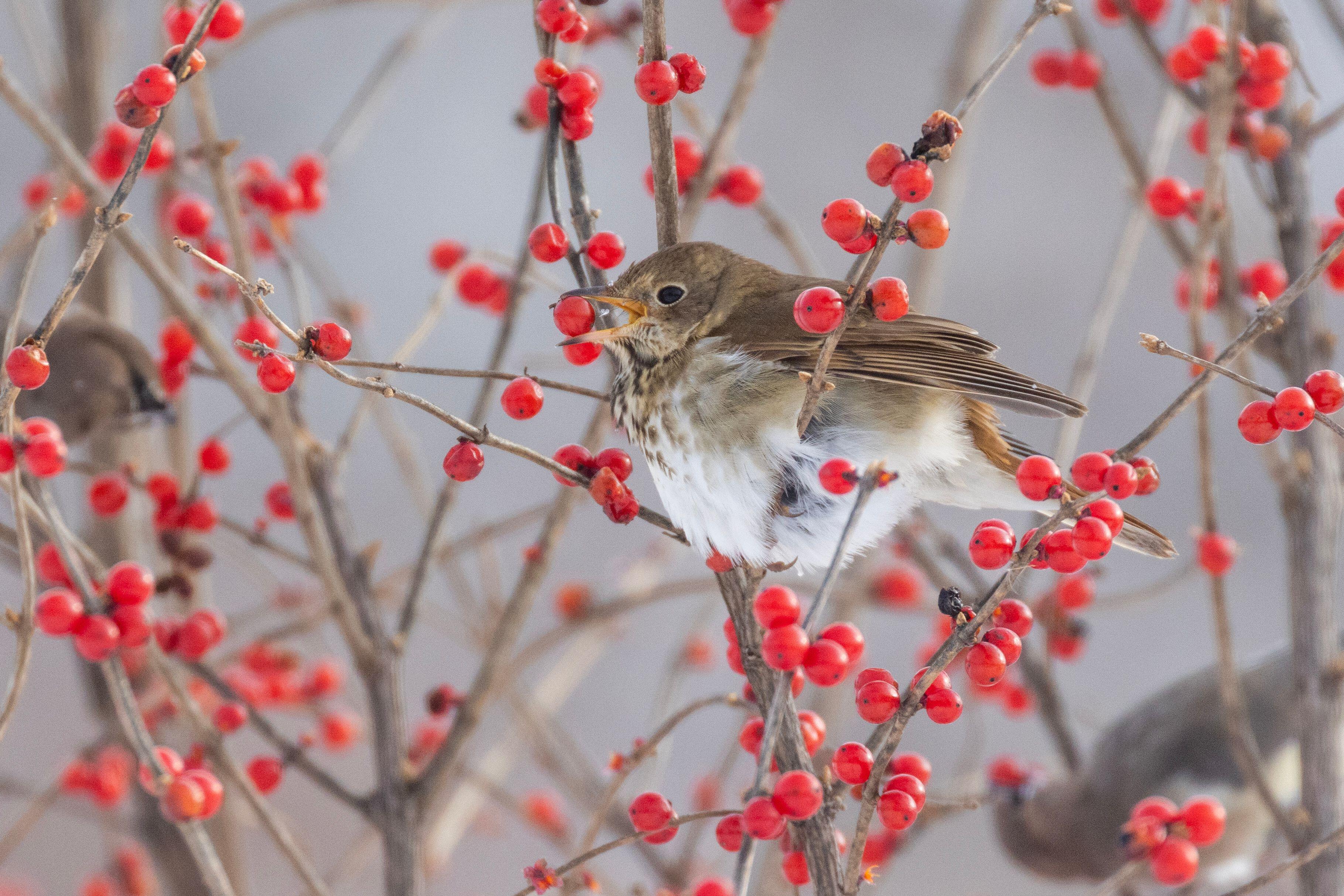
Old thistle and sunflower seed heads mimic the natural food birds find out in the countryside – so don’t cut them all down. She adds, “Goldfinches especially love teasels.”
Not everyone has the space for huge oak trees in their garden, but if you can make space for smaller fruit-bearing trees, the birds will thank you. “Rowan trees are a perfect size, and hazel and crabapple – which are especially popular with our winter migrants from Scandinavia.
Shelton remembers her old childhood garden, “Our neighbour had a crabapple tree outside the front, and one winter, we got an amazing flock of waxwings in it,” she recalls. “They’re the most exotic-looking birds we get.”
And Shelton makes the point that all fruit trees deliver their bounty twice. “They blossom in the spring, and you get all the bees buzzing around them, and they bear fruit in the autumn.
Use the winter months to put your feet up and leave the edges of the garden to get messy.
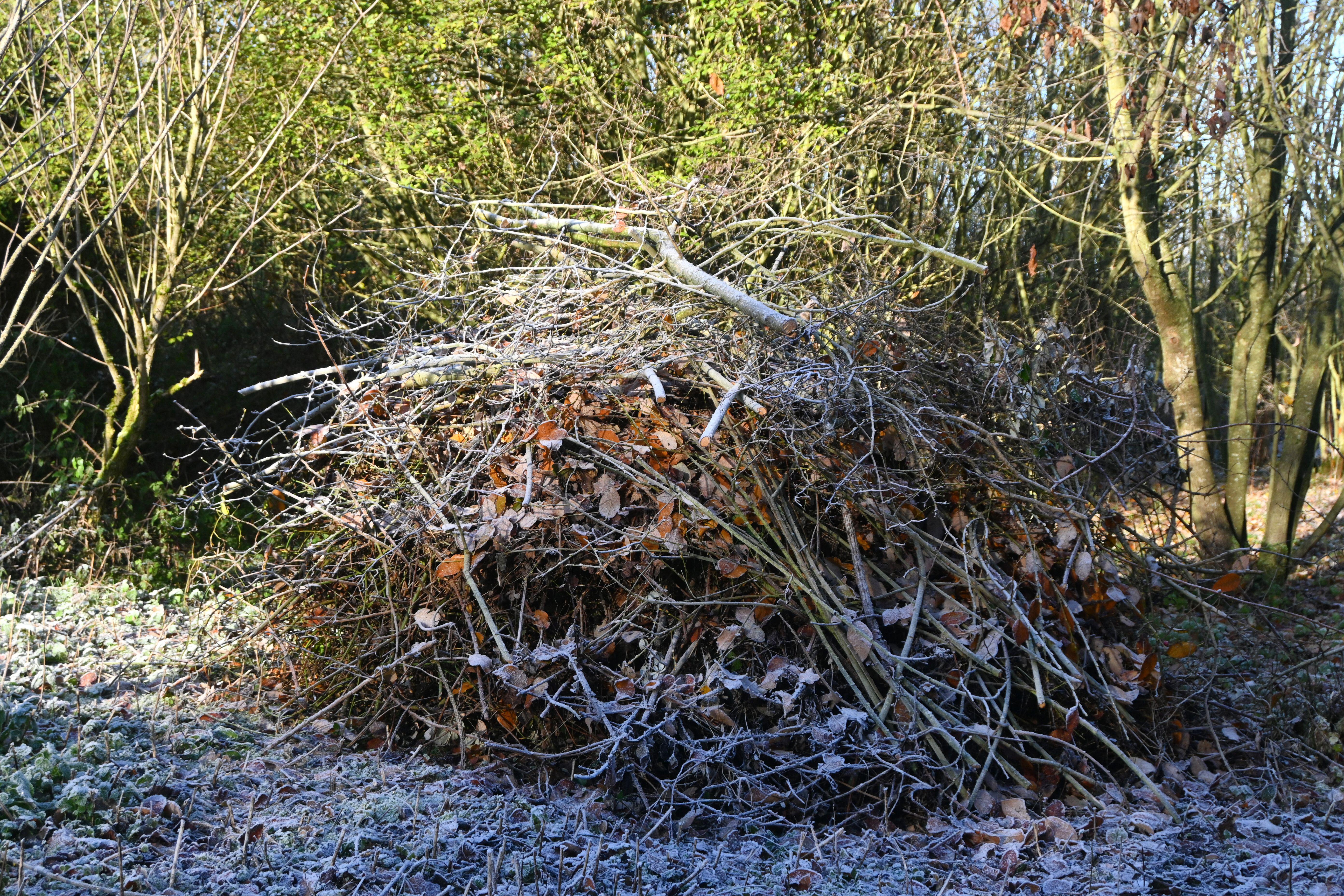
“A pile of leaves or logs with trapped beetles and spiders are perfect snacks for all sorts of creatures, from ground-feeding blackbirds and dunnocks to hedgehogs!” adds Shelton.
Looking ahead to springtime, she says this is the perfect time to gather and sow seeds, ready to attract insects for the birds. “Bright blue shades of cornflowers, tall spires of bell-shaped foxgloves attract the bees and other pollinators. The first sort of flowers to emerge are often crocuses, which you can plant in lawns and pots, and then early emerging bees will enjoy a nice sip of crocus nectar.”
And she suggests planting summer purple pollinators that bloom through to autumn. “Salvia, lavender and scabious provide so much nectar over the warm months, but then flower quite late, especially the jewel-toned salvias,” she says.
But Shelton also makes the important point that you don’t need a garden to feed birds – just putting out pot plants is a great help. “
Growing small trees, shrubs and flowers in pots, or any sort of space you can cultivate which attracts insects – or hanging up a feeder, can bring in the insects and birds,” she says. “It connects you to wildlife, which is a lovely thing in itself.”
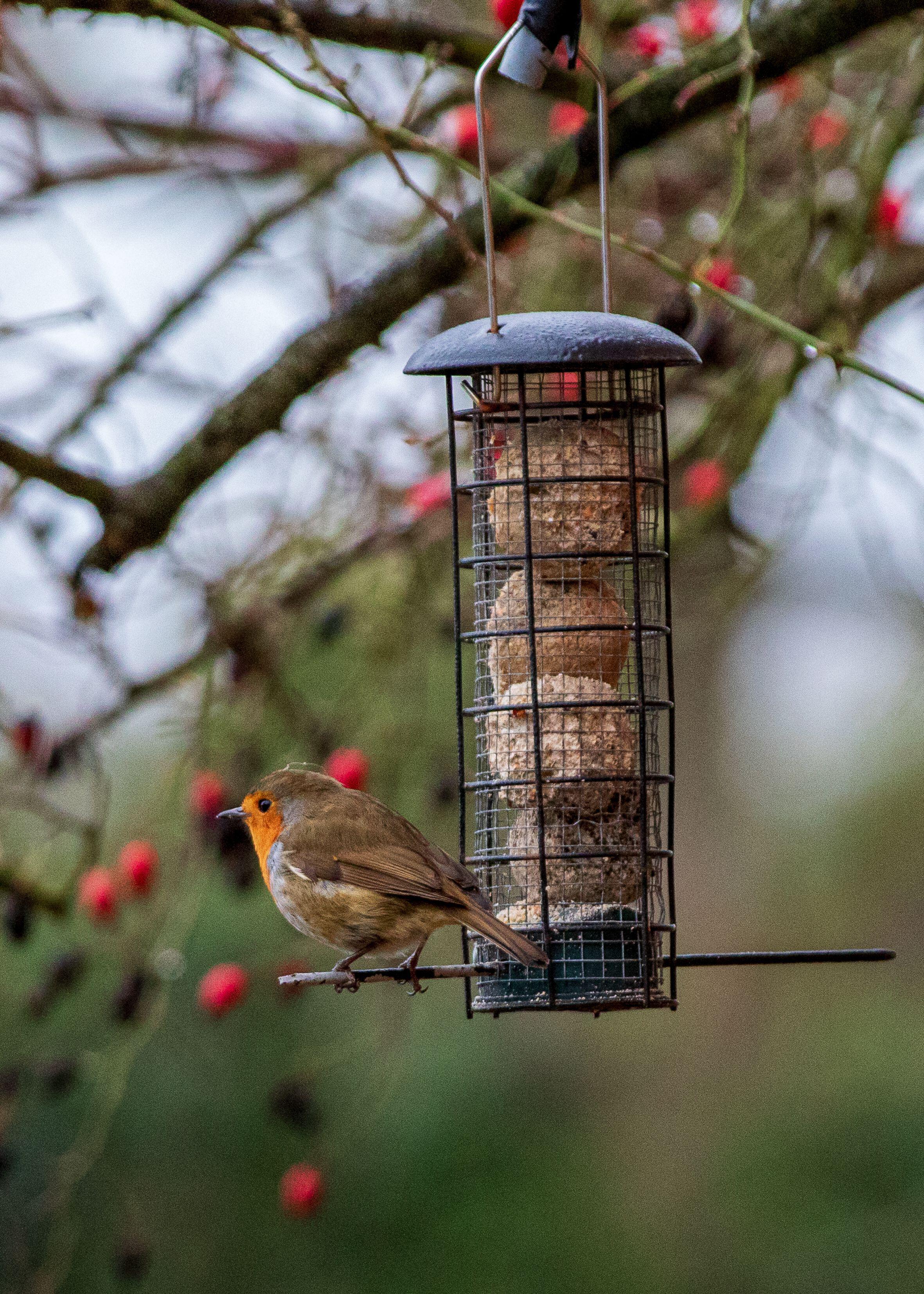
And she adds, “Our homes – roofs, walls, eaves, nooks and crannies – they all make nesting and roosting places for wildlife too.”
If you do leave feeders out for the birds, take some precautions to stop birds concentrating in one place and spreading diseases. “Keep bird feeders clean and topped up,” says Shelton. “And feed between November and April, which is when natural food is hard to find and disease risk is lower.”
And she says it’s probably time to retire the flat bird tables. “Mobile hanging feeders rotated around a garden are better because they waste building up underneath.”
And just as importantly, don’t forget to leave out fresh, clean water for birds, especially if we get a real cold snap. “A bird bath is nice if you’ve got something a bit more grand,” says Shelton. “But you can leave water in something as basic as a plant drip tray or little shallow dish, for them to come and feed from. Just keep it topped up and ice free.”
This winter, get outside and spend time among the birds. “There’s a temptation to hide away when it’s cold,” says Shelton. “But actually stepping outside, enjoying that peace and subtle beauty of nature in winter lifts our spirits.
“Listen to that robin singing when you’re up having breakfast in the dark – and while we’re helping nature, we’re helping ourselves too.”


