Want to bookmark your favourite articles and stories to read or reference later? Start your Independent Membership today.
Already a member?
Log in
The government will be able to raid the bank accounts of tax evaders under new powers handed to HMRC by chancellor John Healey.
Announcing the plans in his Budget last week, Mr Healey said the move would allow the tax authority to collect overdue tax “from those who can clearly afford to pay”, but the plans have left many worried.
Here, the Independent explains how much HMRC can actually take and under what circumstances.
How much money can HMRC take from your bank account?
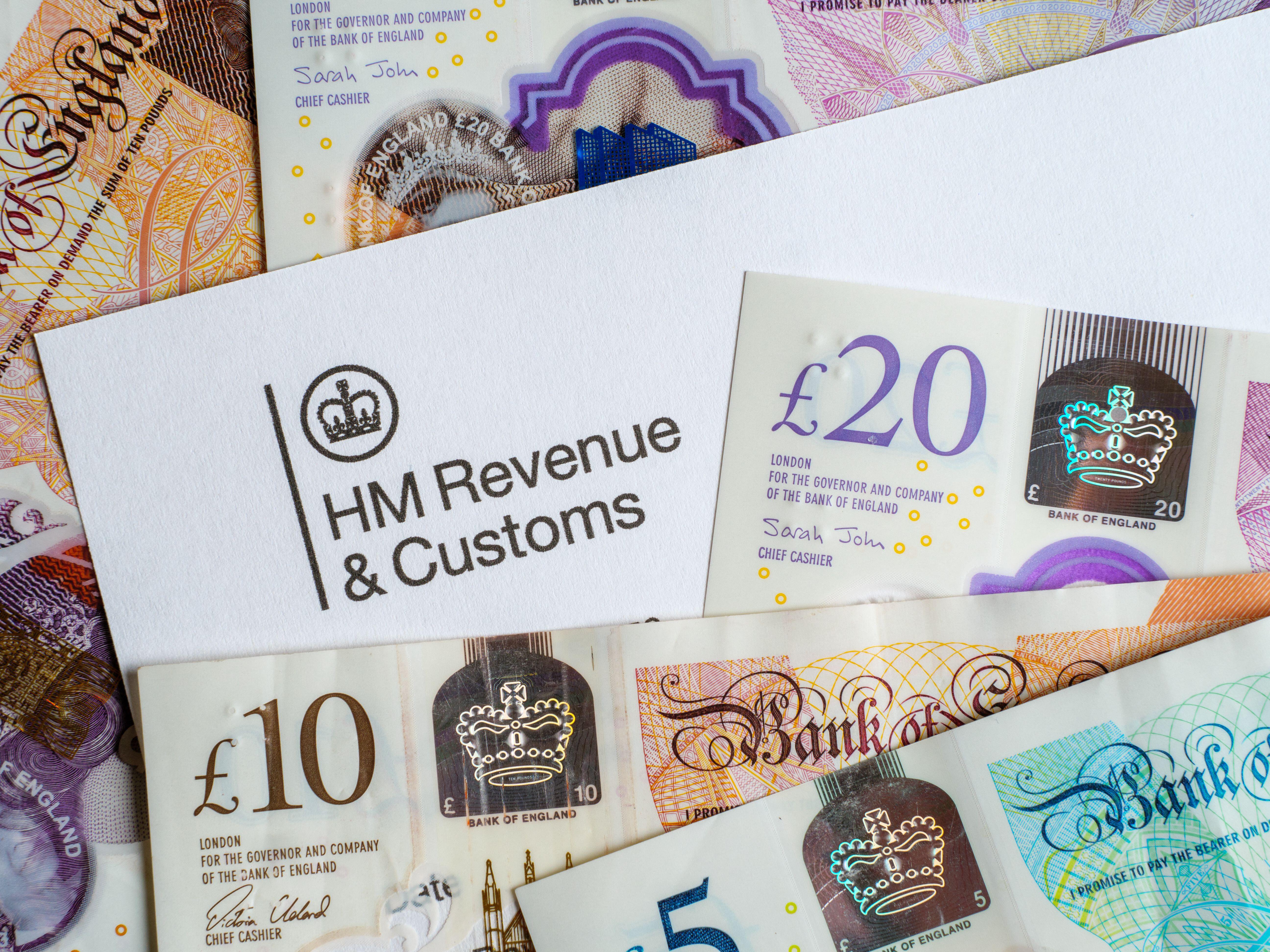
This policy allows HMRC to recover money owed by requiring banks and building societies to pay HMRC directly from a current or savings account (including Cash Individual Saving Accounts) held by a customer in debt to the tax authority.
But HMRC can only consider Direct Recovery of Debts (DRD) over £1,000, and only after all other recovery routes have failed.
There is also a limit on how much the tax authority can take and at least £5,000 must be left untouched across all the debtor’s accounts.
That means if the person in debt has £7,000 in savings, the most that could be taken to repay the debt would be £2,000.
This is to ensure HMRC “do not put a hold on money needed to pay wages, mortgages or essential business or household expenses”.
What safeguards are in place?
In addition to a limit on how much HMRC can take there are other safeguards in place.
Before HMRC can take any action it must have a face-to-face visit with the person in debt to confirm they are dealing with the right person.

Invest at least £100 in Stocks or ETFs of your choice. Get fractional shares worth £50!
Terms and conditions apply.
ADVERTISEMENT
Invest at least £100 in Stocks or ETFs of your choice. Get fractional shares worth £50!
Terms and conditions apply.
ADVERTISEMENT
In this meeting they will also discuss other payment options and any vulnerabilities this person may have.
There is also a 30-day window for customers to send an objection to HMRC. In this time, before the money is taken, customers can appeal, correct errors and also set up a payment plan.
Who does HMRC want to target?
According to the treasury, the new powers are aimed at catching people with low-value debts, who can afford to pay them back but fail to do so.
HMRC has said it will only take action against those who have established debts, have passed the timetable for appeals, and have repeatedly ignored attempts from the tax authority to make contact.
It’s not only individuals HMRC also wants to catch companies. While the maximum debt persuade for individuals would be £5,000, for a company it would be £10,000.
About 90 per cent of people pay their taxes on time, according to HMRC.
In 2024 to 2025, HMRC brought in £858.9bn in tax and the majority of that was paid on time — but just 10 per cent owed became debt.
Some customers require an additional prompt or reminder to pay what they owe, and a significant number of people pay once they are contacted.
These powers are an effective incentive to pay and were used only 19 times in two years, before pausing during the Covid-19 pandemic.