
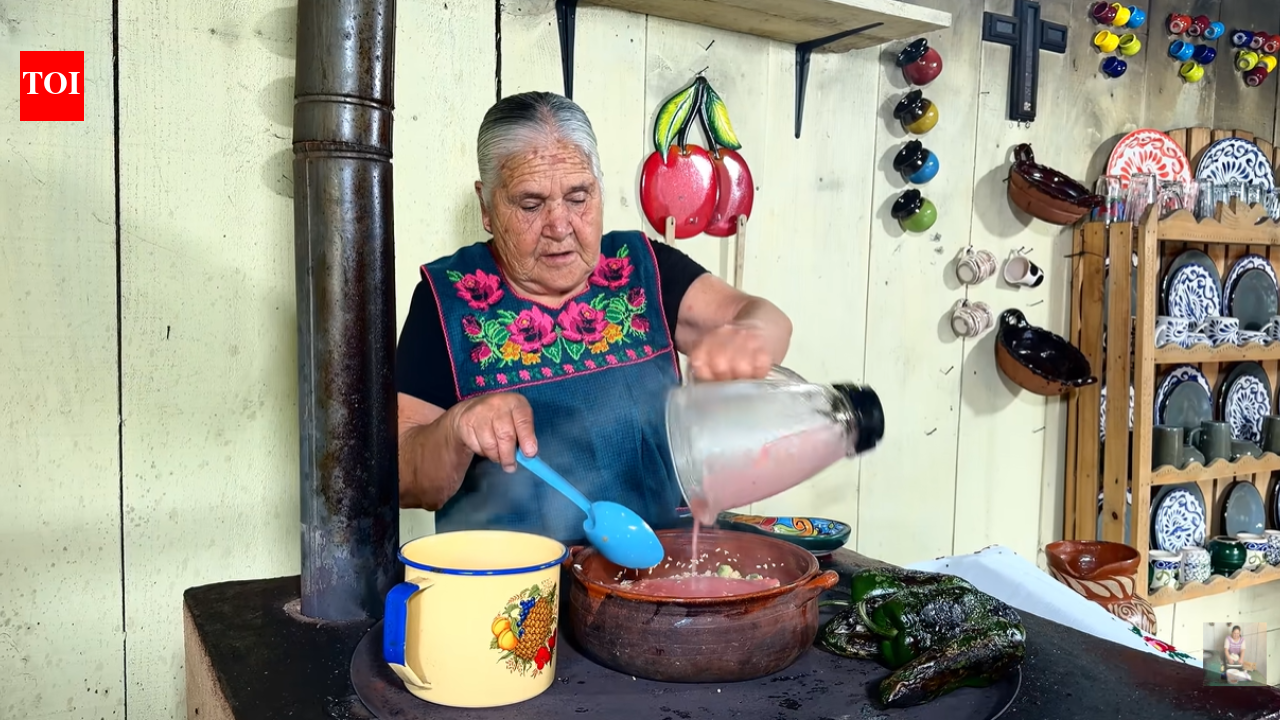
At 75, Mexican grandmother Doña Ángela has built a large online audience through her YouTube cooking channel, ‘De mi Rancho a Tu Cocina,’ which translates to “From My Ranch to Your Kitchen”. As reported by Mexican publication Rodeo Capital in 2024, her cooking videos were attracting more views than those of lifestyle personality Martha Stewart. October 2026 YouTube analytics suggest that Doña Ángela’s channel is still drawing a larger recent audience than Martha Stewart’s.Rather than using a professional studio or elaborate filming equipment, Doña Ángela cooks with familiar ingredients, traditional utensils and methods she has learnt over many years. Her daughter records the videos, often using a mobile phone, while Doña Ángela prepares dishes over a wood-fired cooking surface. Her videos offer a view of everyday cooking in rural Mexico, from preparing tortillas and grinding corn to making traditional stews and sauces. The channel has also introduced viewers outside Mexico to dishes associated with the state of Michoacán, where she lives.
How Doña Ángela started sharing her recipes
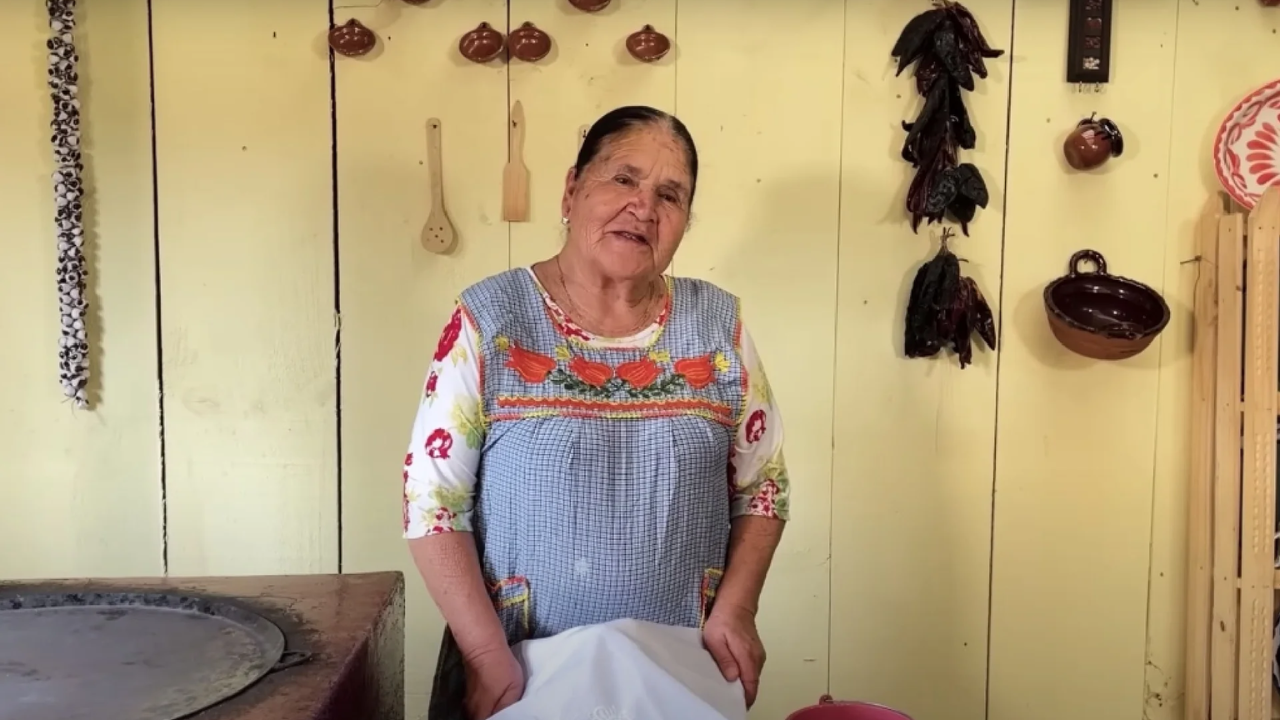
Doña Ángela launched her YouTube channel on August 20, 2019.
Doña Ángela, whose full name is Ángela Garfias Vázquez, launched her YouTube channel on August 20, 2019. According to The New York Times, her first video showed her preparing ‘huitlacoche,’ an edible fungus that grows on corn and is used in Mexican cooking. She began the video with a simple introduction: “I’m going to present to you this recipe. I hope you like it.” The videos soon attracted viewers interested in her recipes and the way she prepared them. By the end of 2019, she had gained one million subscribers and received YouTube’s Gold Creator Award. In 2020, Forbes México included her in its list of the country’s 100 most powerful women. Her channel features recipes for dishes such as enchiladas, chicken, mole, corundas and other traditional Mexican foods. Many videos show the preparation step by step, allowing viewers to follow the process at home.
Why her cooking videos stand out
Doña Ángela’s videos focus on the cooking rather than elaborate presentation. Her kitchen, ingredients and utensils are part of the setting, and her daughter films the preparation with a phone camera. In a 2023 report for The New York Times, food and culture experts discussed how her videos brought a rural Mexican setting to a part of the internet often dominated by professionally produced food content. Her videos often begin with the greeting “Hola, mi gente, bienvenidos a mi rancho” – “Hello, everyone, welcome to my ranch.” She ends many recipes with “Muy sabroso”, meaning “very tasty”. These recurring phrases, along with the familiar setting and practical demonstrations, have become part of the channel’s identity.
Her videos drew more views than Martha Stewart’s
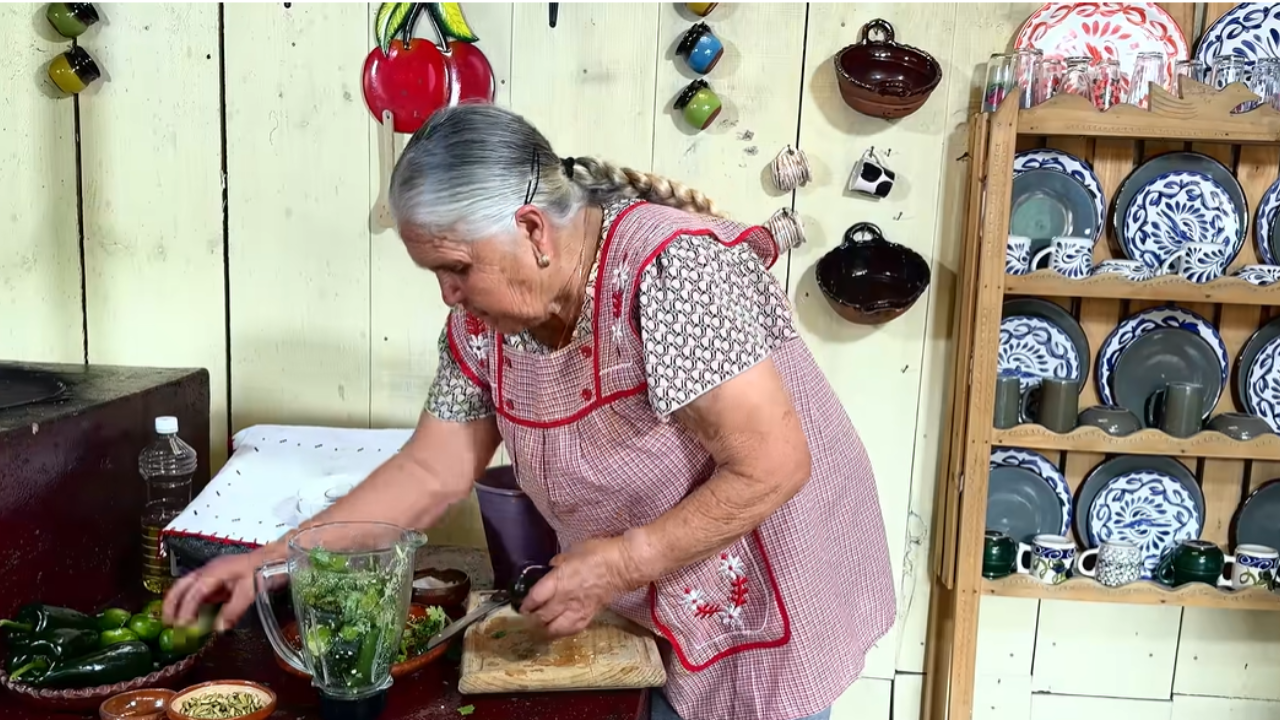
Screengrab from her YouTube channel ‘De mi Rancho a Tu Cocina.’
In September 2022, data highlighted by Latinometrics showed that Doña Ángela’s channel was attracting more views on recent videos than those of well-known cooking personalities, including Martha Stewart and Gordon Ramsay. As reported by New York Times in 2023, her channel had accumulated more than 437 million views at that time, exceeding the combined totals reported for Martha Stewart’s channel and the NYT Cooking channel in that comparison. On October 16, 2026, the number stands at 602,754,769 views.A November 2024 report by Rodeo Capital again noted that Doña Ángela’s videos were receiving more views than Martha Stewart’s, despite the difference in their production styles. These figures reflect the periods in which the comparisons were made. They should not be read as a statement about the channels’ current view counts, which change over time.
Sharing the food and traditions of Michoacán
Doña Ángela’s channel is also a record of regional cooking. Her recipes draw on the food traditions of Michoacán, including dishes made with corn, chillies, vegetables and meat. Some videos show ingredients being gathered or prepared before the cooking begins. Her work has reached viewers who live far from Mexico and want to stay connected to familiar foods.


