
We all love to take a walk across the riverfronts in the evening. Both socially and ecologically, they hold great significance. Rivers are among the most important natural resources for everyday use, but protecting them is not always just about cleaning the water or removing waste that has already entered the ecosystem. Sometimes it is also about protecting the nearby land, understanding how it affects the environment. From agriculture and development to excessive water consumption, human activities can gradually put pressure on rivers, springs and wildlife that depends on them.In an effort to protect one such ecosystem in Florida, the state has allocated $3 million to acquire a 642-acre property along the Suwannee River. The funding will allow the Suwannee River Water Management District to purchase the Suwannee Sandhill Tract-Drew Property in Suwannee County, which includes approximately 1.5 miles of river frontage. According to the district, ending the property’s current land use could save an estimated 158,800 gallons of water every day and reduce nutrient application by around 100,000 pounds annually.The funding is part of a wider $100 million investment announced by Florida Governor Ron DeSantis for 45 projects aimed at protecting the state’s water resources, restoring springs and expanding alternative water supplies.
Why is Florida acquiring the 642-acre property?
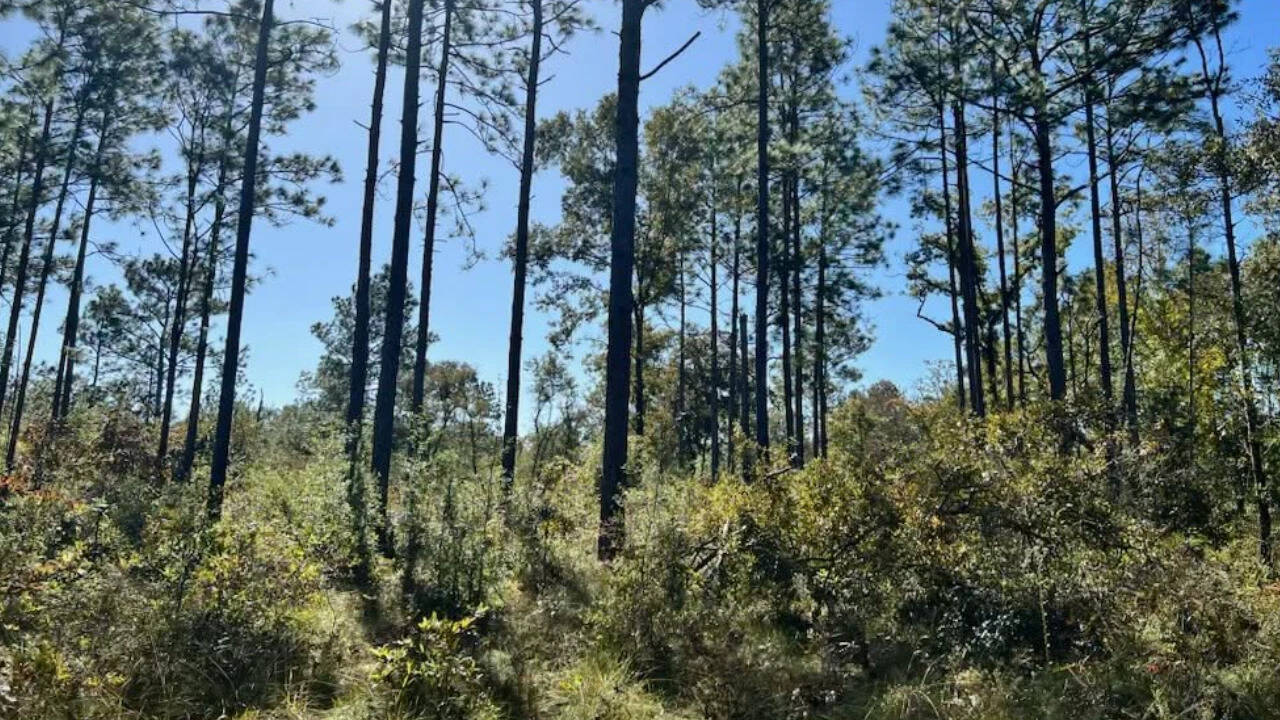
image- Facebook/ Suwannee River Water Management District
The property is located within the Suwannee Basin Management Action Plan area, a region covered by a restoration framework designed to address water pollution and improve the health of rivers and springs. The acquisition is expected to help reduce pressure on local water resources by allowing the district to discontinue the property’s existing land use.According to the Suwannee River Water Management District, the property currently requires an estimated 158,800 gallons of water per day. Once the district acquires the land and ends its current use, that water consumption can be avoided. The project is also expected to reduce approximately 100,000 pounds of nutrient application every year, limiting the amount of nutrients that could potentially reach nearby waterways.Excess nutrients, particularly nitrogen and phosphorus, can contribute to poor water quality and excessive algae growth in aquatic ecosystems, known as algal blooms. It is the phenomenon where, due to nutrient abundance, algae and cyanobacteria take over the water surface, blocking sunlight and oxygen supply for the other aquatic life. When these nutrients enter rivers and springs through runoff, they can disturb the natural balance of the ecosystem and affect the plants and animals that depend on it.The district believes that reducing water use on the property will also support the recovery of the Lower Santa Fe and Ichetucknee rivers’ Minimum Flows and Minimum Water Levels. These are established thresholds intended to ensure that water withdrawals do not cause significant harm to rivers, springs and other natural resources.
What will happen to the land after the acquisition?
Once the property is acquired, the district plans to restore it to its natural Florida landscape. The restoration is expected to improve wildlife habitats and protect the surrounding waterways, while also creating additional opportunities for people to enjoy the area.The property will also be opened for public recreation, including seasonal hunting. This means the acquisition is not limited to reducing water consumption and nutrient application, but also aims to protect the natural landscape while allowing the public to access it.Hugh Thomas, executive director of the Suwannee River Water Management District, said that bringing the property into public ownership would help reduce water use, limit nutrient inputs and restore natural habitat. He also noted that the project would create additional opportunities for the public to enjoy this part of North Florida.
Florida’s wider $100 million water conservation investment
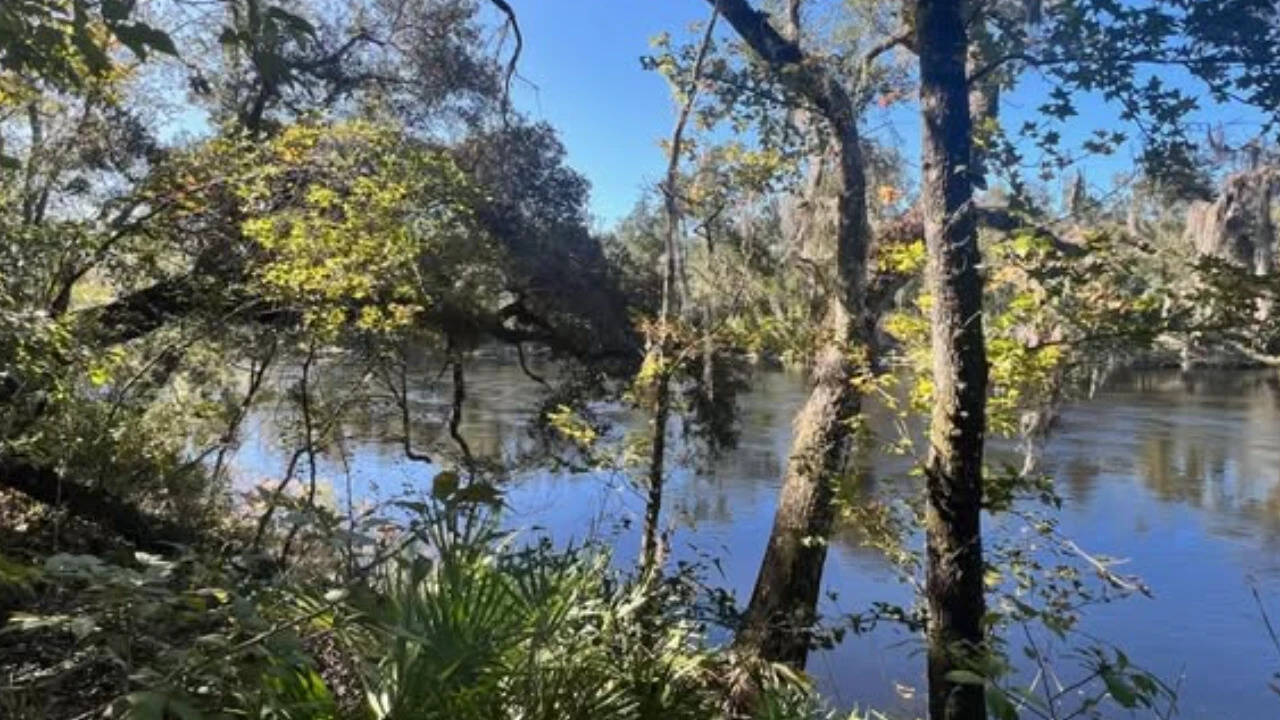
Image- Facebook/Suwanne Water Management District
The $3 million allocated for the Suwannee Sandhill Tract-Drew Property is part of a larger state investment announced on October 28, covering 45 projects across Florida. The funding has been divided between two programmes, with $50 million going towards springs restoration and another $50 million supporting alternative water supplies.The Springs Restoration Grant Program will support 23 projects aimed at improving water quality and spring flows. According to the governor’s office, these projects are expected to reduce total nitrogen by more than 55,000 pounds annually through wastewater upgrades and other improvements.The remaining $50 million will support 22 projects intended to reduce Florida’s dependence on traditional freshwater sources. These include expanding the use of reclaimed water, improving aquifer recharge and developing alternative water supplies.Together, these projects reflect the state’s efforts to address both the quality and availability of freshwater. In the case of the Suwannee River property, the approach begins with the land itself. By ending its current use and allowing the landscape to recover, officials hope to reduce pressure on the river while protecting the natural habitat that surrounds it.


