
Florida battles largest dengue fever outbreak in decades
Florida is combatting its largest dengue fever outbreak in decades, with over 290 locally acquired cases reported. Former CDC Director Dr. Robert Redfield breaks down the risks of transmission and essential prevention measures. Meanwhile, Hillsborough County mosquito management teams deploy aerial spraying to target the mosquitoes carrying the virus.
NEWYou can now listen to Fox News articles!
Florida health officials have confirmed 485 locally acquired cases of dengue fever this year, as the state grapples with its largest outbreak in decades.
Between Oct. 18 and Oct. 24, state surveillance logged 60 new infections, with the Tampa Bay area accounting for roughly 95% of all locally acquired cases recorded statewide, according to the Florida Department of Health.
The surge prompted emergency declarations in Hillsborough, Pasco and Pinellas counties in late September, allowing for faster purchasing and spraying and requests for state and federal reimbursement. Hillsborough County has since extended its state of local emergency amid ongoing transmission.
DENGUE FEVER OUTBREAK TRIGGERS STATES OF EMERGENCY IN 3 SOUTHERN COUNTIES
The locally acquired infections are separate from more than 300 travel-associated dengue cases reported in Florida this year.
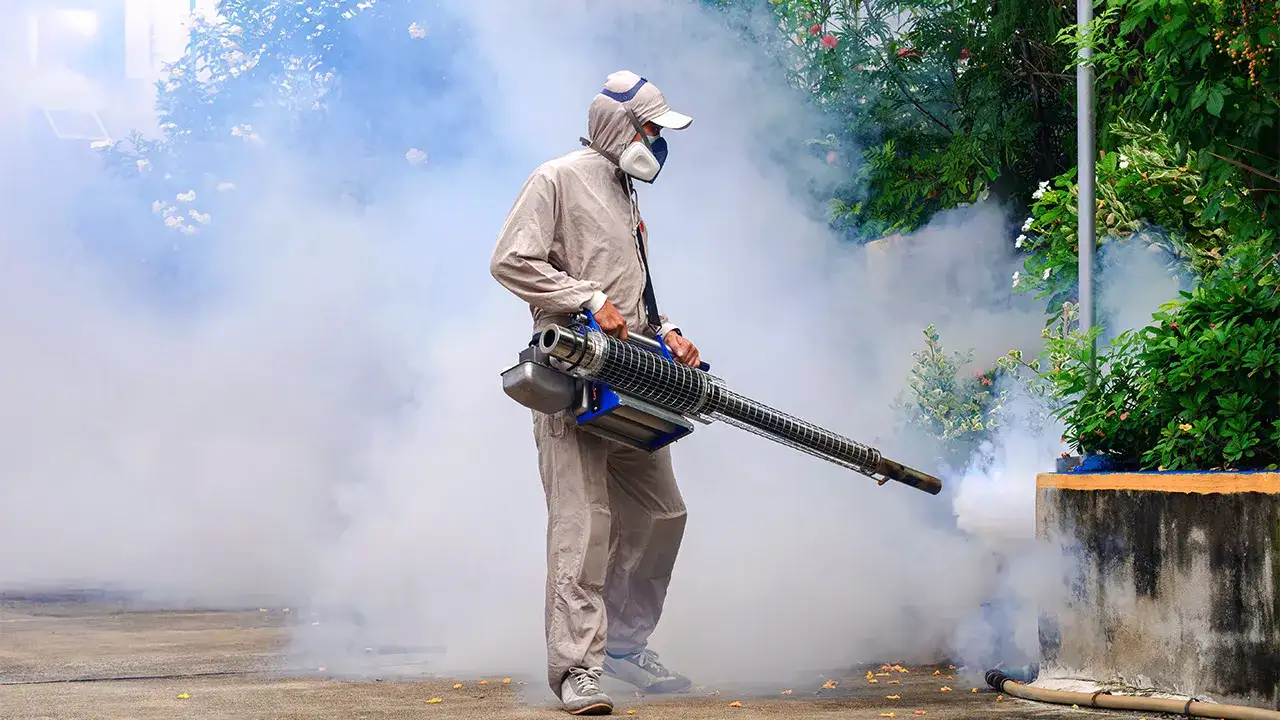
The Florida Mosquito Control Association said mosquito abatement teams are stepping up targeted ground spraying, aerial applications and localized property inspections.
Mosquito-control crews across the Tampa Bay area have increased surveillance and treatments as locally acquired dengue cases climb. (iStock)
What is dengue fever?
Dengue is a viral illness transmitted primarily through the bite of infected Aedes aegypti and Aedes albopictus mosquitoes. The virus can cause fever, severe muscle and joint pain, nausea, rash and, in severe cases, dangerous complications or death, according to the Centers for Disease Control and Prevention.
Unlike many mosquito species that bite mostly at dawn and dusk, the mosquitoes carrying dengue feed aggressively during daytime hours and thrive in humid residential environments.
DEADLY MOSQUITO-BORNE VIRUS CLAIMS FIRST LIFE IN MAJOR US CITY AS CASES SPREAD
“The Aedes mosquitoes that can transmit dengue are active during the day and thrive in warm, humid environments like those found in Florida,” an entomologist spokesperson at the SC Johnson Center for Insect Science and Family Health previously told Fox News Digital.

In addition to local spread, Florida has tracked more than 300 travel-associated infections this year, which continue to introduce the virus to domestic mosquito populations. (iStock)
“Staying aware of local mosquito activity and consistently protecting against bites are important steps people can take to help reduce their risk.”
CLICK HERE FOR MORE HEALTH STORIES
Public health officials emphasize that Aedes mosquitoes are “container breeders,” requiring as little as a tablespoon of standing water to lay eggs. Officials urge residents to inspect yards weekly and drain or cover birdbaths, gutters, planters, discarded tires and outdoor containers.
TEST YOURSELF WITH OUR LATEST LIFESTYLE QUIZ
Health authorities recommend taking the following additional precautions.
- Apply EPA-registered repellents: Use insect repellents containing active ingredients such as DEET, picaridin or oil of lemon eucalyptus, following all label directions.
- Layer properly: When wearing both sun protection and bug spray, apply sunscreen first and insect repellent second.
- Cover exposed skin: Wear loose-fitting, light-colored long sleeves, pants and closed-toe shoes when outdoors.
- Eliminate standing water: Regularly empty and scrub any outdoor vessels that hold water.

Public health officials urge residents to use insect repellents containing active ingredients such as DEET, picaridin or oil of lemon eucalyptus, following all label directions. (iStock)
Most people infected with dengue experience mild or no symptoms, typically recovering within two weeks, according to Mayo Clinic.
CLICK HERE TO DOWNLOAD THE FOX NEWS APP
When symptoms do occur, they usually surface four to 10 days after an infectious bite. Severe dengue can progress rapidly within 24 to 48 hours after the initial fever drops.
Warning signs include persistent vomiting, severe abdominal pain, difficulty breathing, mucosal bleeding and extreme lethargy.
CLICK HERE TO SIGN UP FOR OUR HEALTH NEWSLETTER
Anyone experiencing those signs should seek emergency medical care immediately.


