

The term “designer dogs” is something easily associated with the Noughties. Paris Hilton carrying tiny chihuahuas in her handbag springs to mind; Sienna Miller popularising the puggle (a pug and beagle mix). In fact, any celebrity worth their salt had a miniature crossbreed tucked in their purse during that era, from chorkies (chihuahua + yorkie) to morkies (maltese + yorkie). They became the most ubiquitous of A-list accessories.
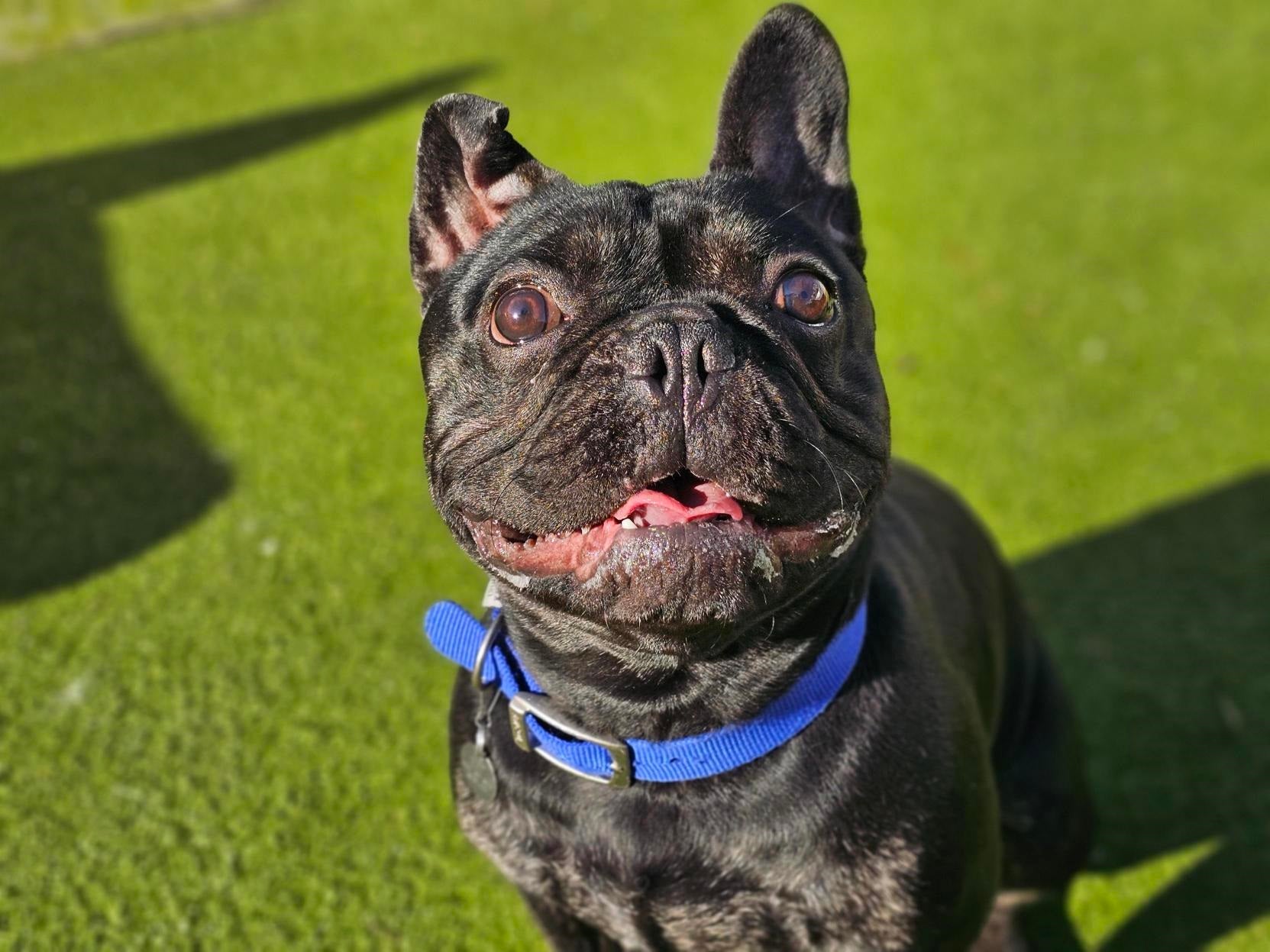
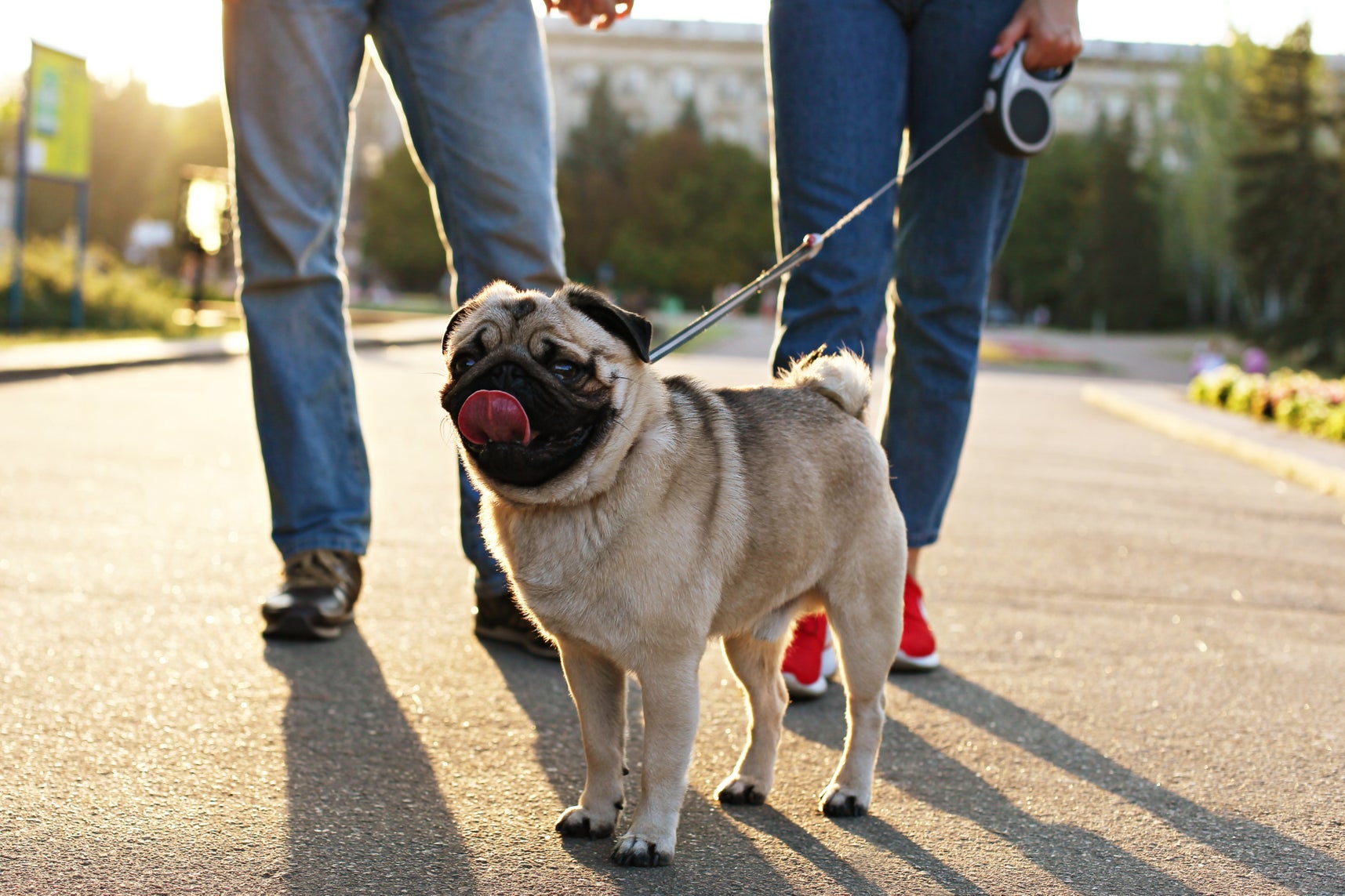
But though styles have changed since those days, the clamour for “trendy” dogs has not. In the 2010s, flat-faced breeds were all the rage – think French bulldogs, pugs, English bulldogs and shih-tzus.
And with this uptick in popularity has come an upsurge in dogs being abandoned or given to animal shelters. In a new report, the RSPCA revealed that it had seen a 3,800 per cent increase in the number of French bulldogs left in its care over the past decade, going from six in 2016 to 234 in 2025. The number of pugs and pug crosses has almost tripled; English and old tyme bulldogs and crosses are up 1,450 per cent.
Is it simply that these breeds have fallen foul of fashion and are no longer the Instagram darlings they once were? Are owners really that fickle?
The answer is much more heartbreaking. What many owners don’t realise is that designer dogs, particularly those specifically bred for extreme features in the pursuit of “cuteness”, often come with strings attached in the form of significant health problems.
“A lot of it is to do with the financial aspect, because people are having to pay more and more for vet bills,” says Laura Alwen, rehoming and welfare manager at Battersea Dogs and Cats Home, which currently has 13 French bulldogs in its care. “Even if you’ve got pet insurance, you still have to pay the excess – and some people just can’t afford that.”
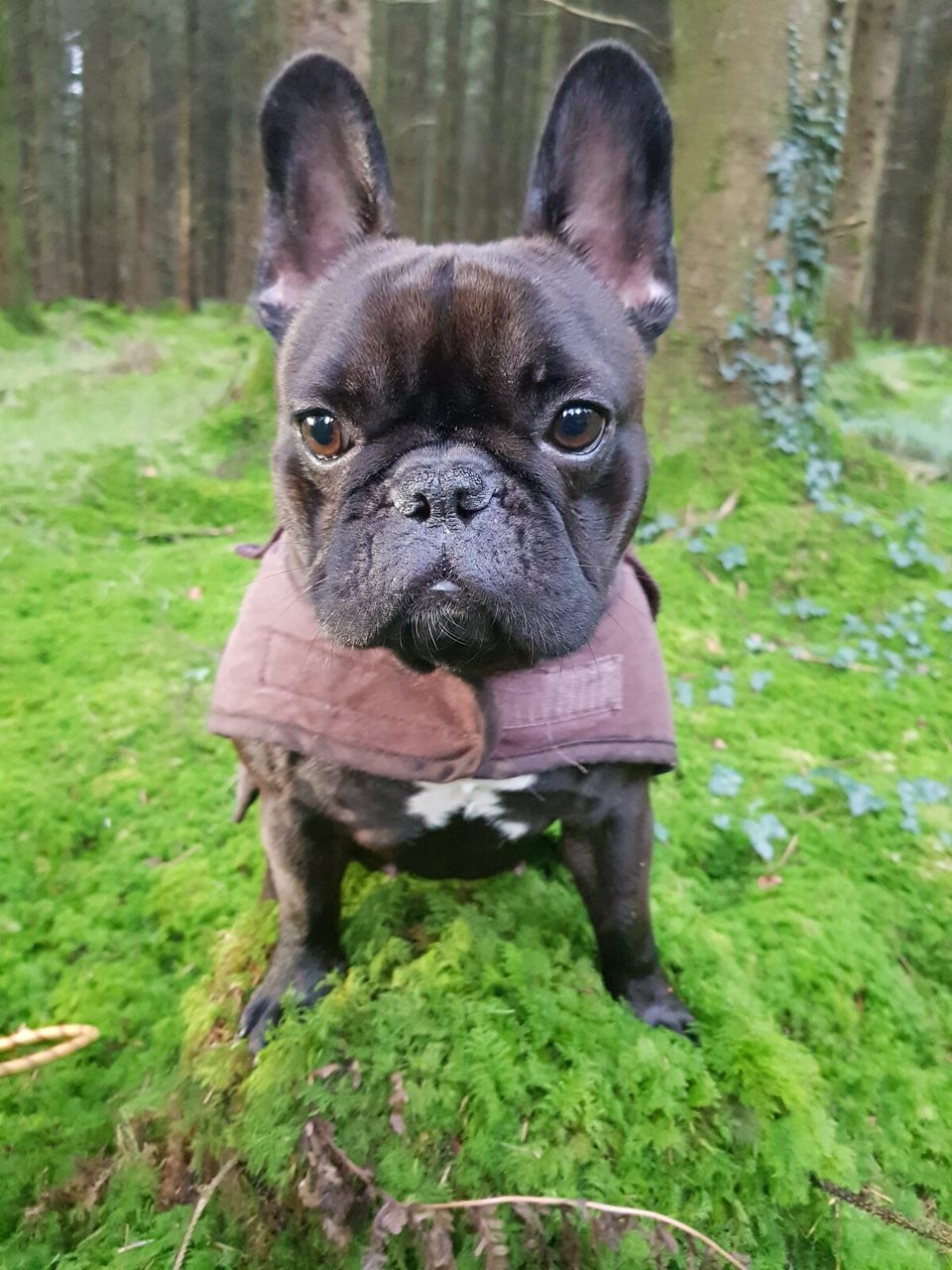
Usually it’s the very features being lauded as adorable that are causing lifelong issues and chronic pain. Flat-faced dogs, otherwise known as brachycephalic dogs, for example, have been selectively bred to have an abnormal skull shape. One 2022 report found that they have one of the shortest life expectancies.
“Their skull is rounder but flat at the front, and lots of their problems relate to difficulties with breathing,” says Alice Potter, senior scientific and policy officer for the RSPCA. “That’s because, essentially, we’ve made the bones of the skull change, but the soft tissue inside hasn’t changed.”
The issue can require Brachycephalic Obstructive Airway Syndrome (BOAS) surgery to fix – an expensive operation that not all dog owners can afford. Battersea gives the example of Lily, a nine-year-old Frenchie who needed numerous BOAS surgeries that cost Jennifer, her owner, over £40,000 in vet bills. “I’ve missed holidays and emptied my savings more than once, but none of that matters compared to seeing her hurt,” said Jennifer, who purchased Lily from a breeder and had no idea about the potential health issues.
Another French Bulldog, one-year-old Stitch, arrived at Battersea after a change in his previous owner’s circumstances meant they could no longer afford him. He also needed BOAS surgery. In the last five years alone, the percentage of dogs in Battersea’s care that have required this operation has more than doubled from 13 to 28 per cent.
No amount of health insurance or money can take away her suffering, nor can it heal the emotional pain that comes with loving her and watching her go through this
Jennifer, owner of French bulldog, Lily
The potential health problems don’t end there. Because of their abnormal skull shape, brachycephalic dogs’ eye sockets are too shallow. “The eyeball doesn’t sit as deeply in the skull as it should, so that leaves them open to injury,” says Potter. “Sometimes they pop out – which sounds crazy, but it’s true.”
The abnormal skull shape can cause major dental problems too, plus English bulldogs and French bulldogs can have spinal problems associated with their small or corkscrew-shaped tails. The excessive skin folds that give some flat-faced dogs their distinctive appearance, meanwhile, frequently cause pain and irritation, creating a hotbed of bacteria and infection.
“One of the things that people seem to find cute about bulldogs is the way they sit,” adds Potter. “They sit to the side; but we believe that’s because they want to take pressure off the bottom of their spine and tail that might be quite painful for them.” Lots of bulldogs also require caesareans as their puppies’ skulls are too big for a natural birth.
All of these issues go hand-in-hand with high care needs and astronomical vet bills, leaving many owners in an impossible position. Worse still is the emotional toll of seeing a beloved pet in pain. “It’s really sad,” says Potter. “People go into it as loving owners, wanting to have a beautiful life with their new pet, and it’s really disappointing for them if everything doesn’t work out; it takes a high emotional toll on them.”
Lily’s owner, Jennifer, described watching her dog in pain and struggling for breath as “heartbreaking”. “She didn’t ask for this or deserve it,” she says. “No amount of health insurance or money can take away her suffering, nor can it heal the emotional pain that comes with loving her and watching her go through this.”
The problem extends far beyond flat-faced dogs. There are numerous other cats and dogs specifically bred for superficial features that endanger their health.
Popular dog breeds with short legs and long bodies, such as dachshunds and corgis, can suffer from chronic pain and even paralysis. “Chondrodystrophy and chondrodysplasia, which cause this notable feature, lead to an increased risk of spinal problems which often require complex surgery to correct,” says Potter. “They’re also less able to perform normal behaviours such as running, playing and jumping.”
Then there are brachycephalic cats, which struggle to breathe like their canine counterparts, plus Scottish fold cats with “cute” folded ears as a consequence of a genetic disorder called osteochondrodysplasia that affects the cartilage throughout their whole body. “It means that their bones and their joints don’t form properly,” says Potter. “There’s no cure for it and it can lead to chronic pain and lameness.”
We need to break through the normalisation of this; it’s essentially about prioritising health and welfare over looks
Alice Potter, senior scientific and policy officer, RSPCA
There have even been reports of XL bully cats, bred to resemble XL bully dogs by combining the gene that causes hairlessness in sphynx cats with the gene responsible for the short legs of munchkin cats. Experts have warned people not to buy them, predicting that the breed is likely to suffer from significant health problems and have a life expectancy at least six years shorter than that of the average moggy.
“They wouldn’t be able to exist out in the wild,” Potter stresses of all the above-mentioned designer pets. “There are lots of ways that we have messed up these animals because we like the way they look, and we’re possibly not always realising the consequences on their quality of life.”
The stats back this up; research by Battersea found that 66 per cent of people would pick a pet mainly based on their appearance.
“I was naive to these problems when I bought her,” Jennifer said of Lily. “I love the look of French bulldogs and to be honest, I didn’t realise how bad things were.”
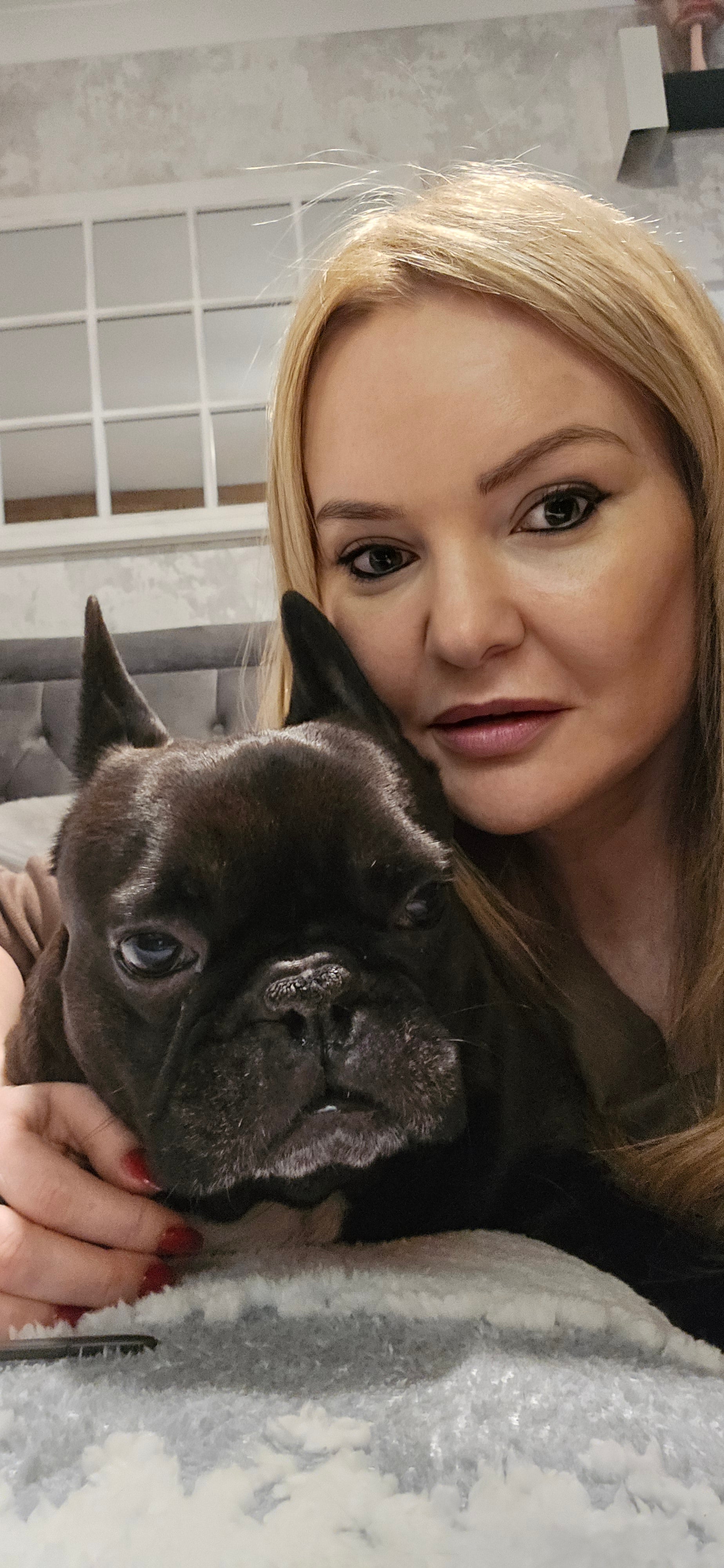
It’s why both the RSPCA and Battersea are urging people to think twice before buying these breeds and further fuelling demand.
The RSPCA recently published its “Shape of Suffering” report, which beseeches stakeholders, from owners and breeders to vets and legislators, to “join the movement to protect our companion animals from breeding for harmful physical traits”. As Potter puts it: “We need to break through the normalisation of this; it’s essentially about prioritising health and welfare over looks.”
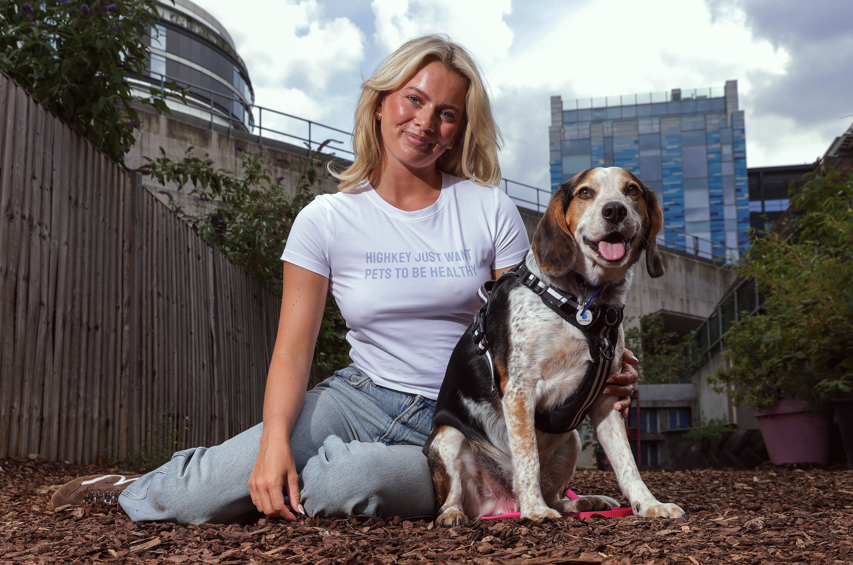
Battersea, meanwhile, has launched a campaign called the “Cost of Cute”, with celebrity spokespeople, including Strictly star Tasha Ghouri, raising awareness of the damage that comes with breeding animals for extreme characteristics like flat faces and warning that some of the internet’s favourite pet trends may be causing more harm than people realise.
The campaign is selling a limited-edition collection of Y2K-inspired T-shirts, caps and tote bags emblazoned with slogans like “Hot girls just want healthy pets” and “Cute but struggling”.
For anyone who does want a designer breed, organisations advise going into it with your eyes wide open about the potential health issues and associated costs – and, more importantly, adopting one rather than going to a breeder.
“These dogs and cats are already out there,” Alwen points out. “They all need loving homes, which we can find – but we need to break the cycle of people breeding them in the first place.”

