
Want to bookmark your favourite articles and stories to read or reference later? Start your Independent Membership today.
Already a member?
Log in
Early seasonal holiday sales data are presenting major candy manufacturers with unexpected headwinds.
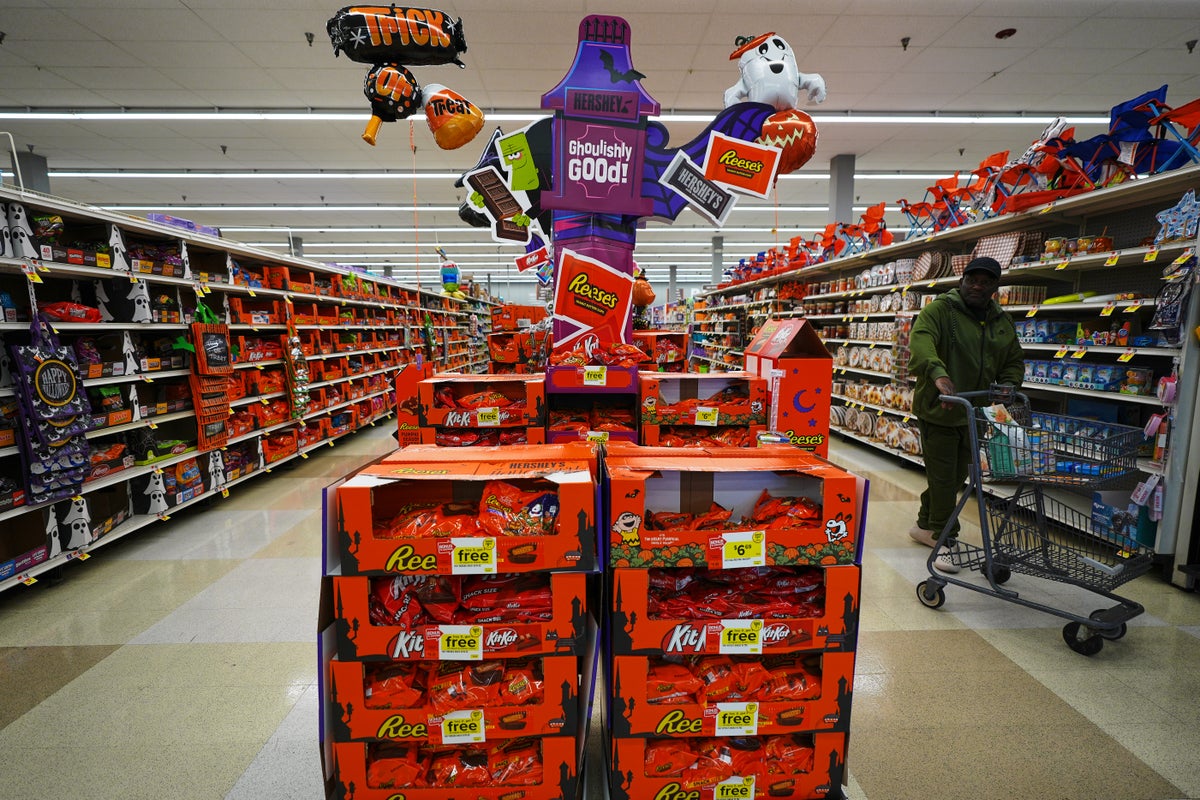
Cost-of-living challenges present significant headwinds for major confectionery producers Hershey and Mondelez, with consumer market intelligence from NIQ indicating that U.S. shoppers are allocating less money toward fall treats than in previous years.
Additionally, health-minded shoppers are pivoting toward reduced-sugar alternatives and non-traditional treat options, according to insights provided by analysts, producers, and sector specialists.
Figures from NIQ reveal seasonal chocolate revenue dropped $33.1 million over the nine weeks through October 17 against the prior year, marking its steepest decline in at least three years.
This slump was driven by milk chocolate, while white chocolate stayed unchanged and dark chocolate logged modest gains.
Ahead of upcoming midterm congressional elections, consumer confidence across the United States has slipped toward historical lows.
An August study published jointly by Morning Consult and Reese’s parent Hershey indicated that roughly sixty-six percent of parents purchased their holiday sweets back during summer months.
Following a formal reduction in its annual organic net sales growth target, Hershey CEO Kirk Tanner stated on Thursday that the company required shoppers to “show up” during what he described as the crucial final days leading up to Halloween on Saturday.

While surging commodity costs compelled sweet makers to hike retail pricing over three consecutive years, cocoa futures have tumbled below $3,000 per metric ton from 2024 peak levels near $12,000.
Mondelez International CFO Amit Banati noted on Thursday that financial benefits from lower cocoa costs were starting to filter through, after the Cadbury parent recorded unchanged North America volume and a 1.6% price increase in quarter three.
For the first time since late 2021, Mondelez generated quarterly growth more from sales volumes than pricing, with Chief Operating Officer Luca Zaramella stating the company would remain highly selective regarding pricing to protect share and volume momentum.
Noticeable price reductions for consumers could require additional time.
The pace of consumer price growth should decelerate markedly early next year as lower cocoa costs filter through distribution networks, stated David Branch, sector manager at Wells Fargo Agri-Food Institute. Meanwhile, producers are reformulating products and trimming chocolate content to conserve corporate cash, he added.
HEALTH PATTERNS TRANSFORM HOLIDAY BUYING
Healthier nutritional preferences are actively reshaping retail sweet aisles, propelled by expanding GLP-1 weight-loss drug adoption alongside the Trump administration’s ‘Make America Healthy Again’ initiative.
“Shoppers are making very different choices around pack size, price and product,” said Chris Costagli, NIQ’s food and non-alcoholic beverage insights lead and thought leadership vice president.
Dollar sales of small packages rose 24%, whereas every larger package option registered declines.
“We’re seeing increases in candy with no/low/less-sugar claims … along with growth in trick-or-treat-size rice/popcorn cakes, yogurt-coated snacks, bars, and ready-to-eat popcorn,” said Sally Lyons Wyatt, global EVP and chief adviser, consumer goods and food service insights at Circana.

Mondelez is confronting these shifts directly. On Thursday the company revealed plans to buy Undercover Snacks, a brand offering chocolate-drizzled quinoa crisps tagged ‘healthy ingredients in disguise’.
Yogurt producer Chobani is highlighting “no spooky ingredients” regarding its seasonal Ube Sweet Cream Dairy Creamer.
“People are becoming more aware of what’s in, or not in, their food these days,” said Chief Innovation Officer Niel Sandfort.
While Halloween is usually a notably indulgent celebration, consumers are modifying how they reward themselves, remarked Lindsay Haut, senior principal at investment firm Verlinvest.
“They’re either supplementing with potentially better-for-you options, but also downsizing and going into smaller treats,” Haut said.
As a clear illustration, she highlighted individually packaged Tiny Tony’s from candy maker Tony’s Chocolonely, wherein Verlinvest holds a majority equity stake.
Plant-based protein business ALOHA is targeting consumers desiring healthier snack options, noted marketing vice president Julia Shapiro.
“People are really craving other options that still satisfy that urge of what they’re looking for, but maybe give them a bit more of a nutrient-dense snack,” she said.

