
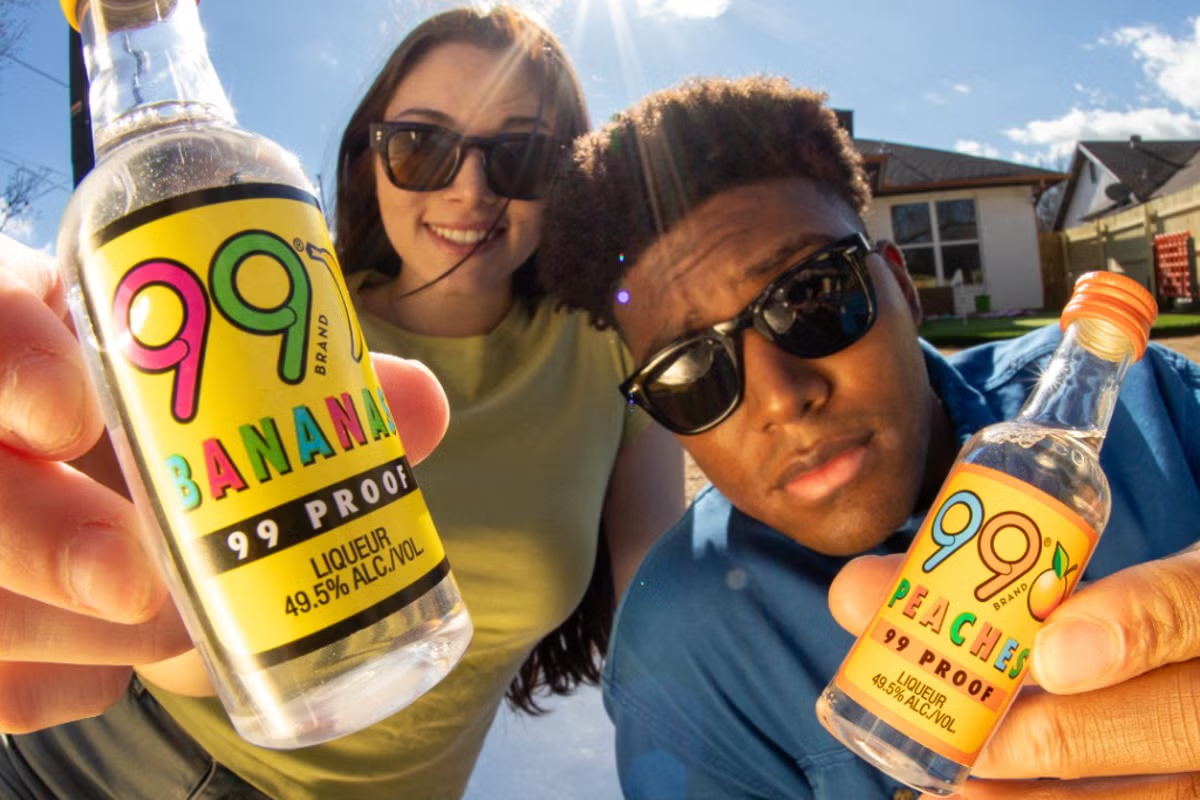
Blue Raspberries”. “Bananas”. “Passionfruit”. “Apples”.
The names of the latest drink launch from Sazerac sound like flavours of Slush Puppie or fizzy pop – the kind of thing you’d treat the kids to at the cafe of your local municipal pool after getting their 25-metre swimming badge.
The appearance bolsters that impression further: radioactive shades of blue, yellow and green liquid in cute bottles, topped with caps in contrasting colours; jazzy labels in lurid hues; graphics of fruit and nostalgic fonts alongside technicolour bubble writing.
And then, finally, there’s the name: 99. It conjures up wholesome images of Mr Whippy ice creams topped with flakes – the brand even knowingly played into this with a launch that saw it handing out 99s from the back of an ice cream van – while also referring to the pocket money-friendly 99p price tag. Everything about this new product screams that it’s designed for children. Everything but the contents, that is: the “99” being, in fact, an alcoholic shot.
Despite the fun, colourful design, it’s a far cry from what my friends and I sometimes jokingly refer to as “children’s booze” – a term we borrowed from Noughties comedy series Black Books to denote the sugary, colourful alco-pops with ABVs in the low single-digits. It’s not even on a par with our equivalent shots back in my student days, when we’d sling back things like Apple Sourz – neon green, sweet and delicious, with a fairly “soft” alcohol percentage of 15 per cent.
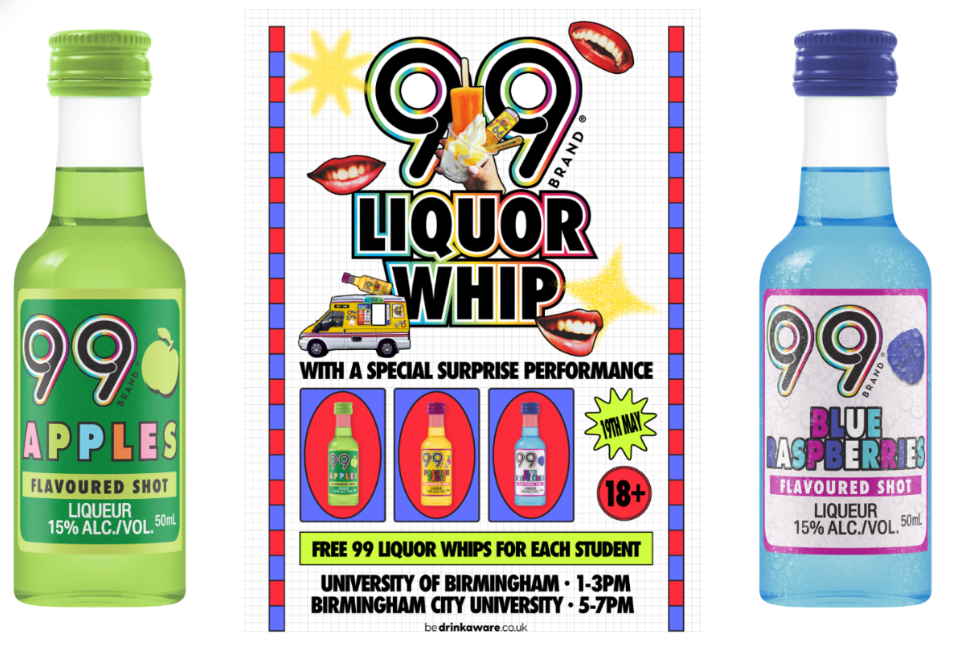
No, these cutesy 99 bottles are deceptively lethal: a whopping 49.5 per cent. It’s a dangerous combination, coupling the equivalent punch of strong, neat spirits and the easy-to-drink flavour profile of a bag of fizzy sweets.
It’s no wonder alcohol charities have sounded the alarm, accusing Sazerac of creating and marketing tiny liqueur bottles that are intrinsically appealing to minors. Jem Roberts, head of external affairs at the Institute of Alcohol Studies, said the 99 “looks like a product entirely designed to appeal to children while hiding behind a thin ‘nostalgia’ label”.
“Sweet flavours, TikTok-style branding, and even an ice-cream van – it’s hardly subtle,” he added. “We know two of the biggest drivers of alcohol harm are cheap prices and heavy marketing. A 99p shot promoted as fun and shareable combines both. And while youth drinking has declined, the UK still has some of the highest levels of heavy episodic drinking among young people in Europe, so this is not a problem we’ve solved.”
Joe Marley, executive director at Alcohol Change UK, said that “this group has a track record of going further than others when creating and marketing strong alcohol that tastes like sweets for pocket money prices, using playful approaches, bright colours and cultural trends to embed alcohol in young people’s lives”.
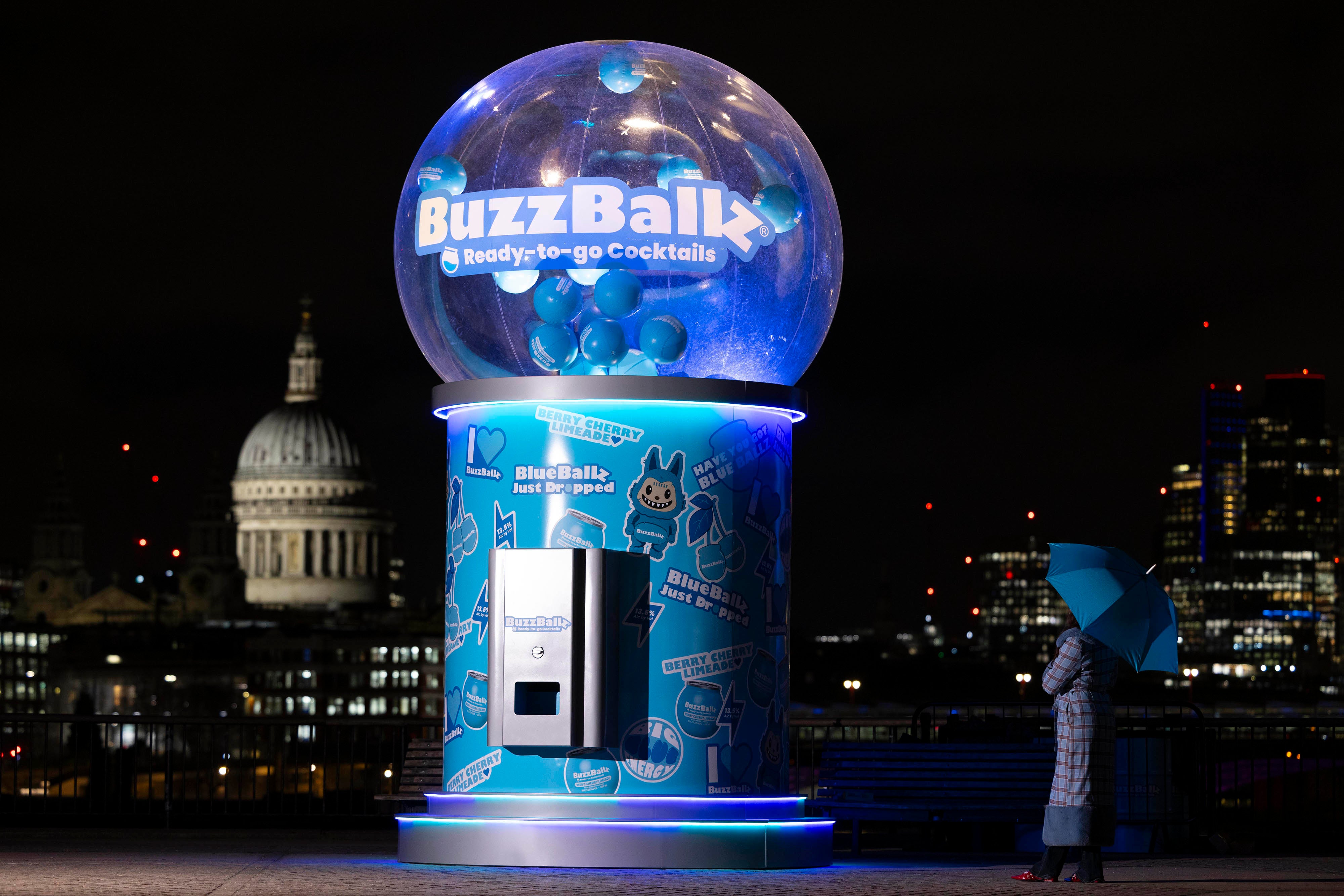
While Sazerac is the sprawling parent company behind 450 drinks brands, including Southern Comfort and Fireball Cinnamon Whisky, Marley was likely referencing BuzzBallz: its pre-made cocktails-to-go in plastic spherical containers. The brand has exploded in popularity since first being introduced to the UK back in 2022, becoming the fastest-growing ready-to-drink brand by sales volume. It had already claimed the crown of the US’s biggest-selling single-serve premixed cocktail since originally launching in 2009.
This group has a track record of going further than others when creating and marketing strong alcohol that tastes like sweets for pocket money prices, using playful approaches, bright colours
Joe Marley, executive director at Alcohol Change UK
BuzzBallz has all the hallmarks of a product designed for a younger demographic. There’s the fun, round shape; the brightly coloured packaging in dopamine shades of yellow, green and red that wouldn’t look amiss at a children’s birthday party; and the cocktails themselves, of course. With the best will in the world, flavours like “Berry Cherry Limeade”, “Choc Tease” and “Strawberry ’Rita” simply don’t sound like they’re being aimed at fully grown adults.
The brand has also become known for its “whacky” marketing stunts, with BuzzBallz-shaped cars, dubbed BallzMobilez, driving around locations like Clapham and Dublin to dish out free drinks.
In response to alcohol charities’ concerns around the 99, Sazerac told The Guardian that it takes underage drinking “seriously, which is why all activity is governed by strict UK alcohol marketing, retail and age-verification standards”. A spokesperson said that “price alone does not determine whether a product appeals to minors; responsible marketing, clear adult targeting, and robust retail compliance are the critical factors,” adding that the new product has been designed “as a clearly adult-only alcohol activation, centred around flavoured spirit shots, nightlife occasions and legal-age consumers. More broadly, the creative approach reflects well-established nostalgia trends commonly used to engage adult consumers, particularly those of legal drinking age who identify with 1990s and early-2000s culture.”
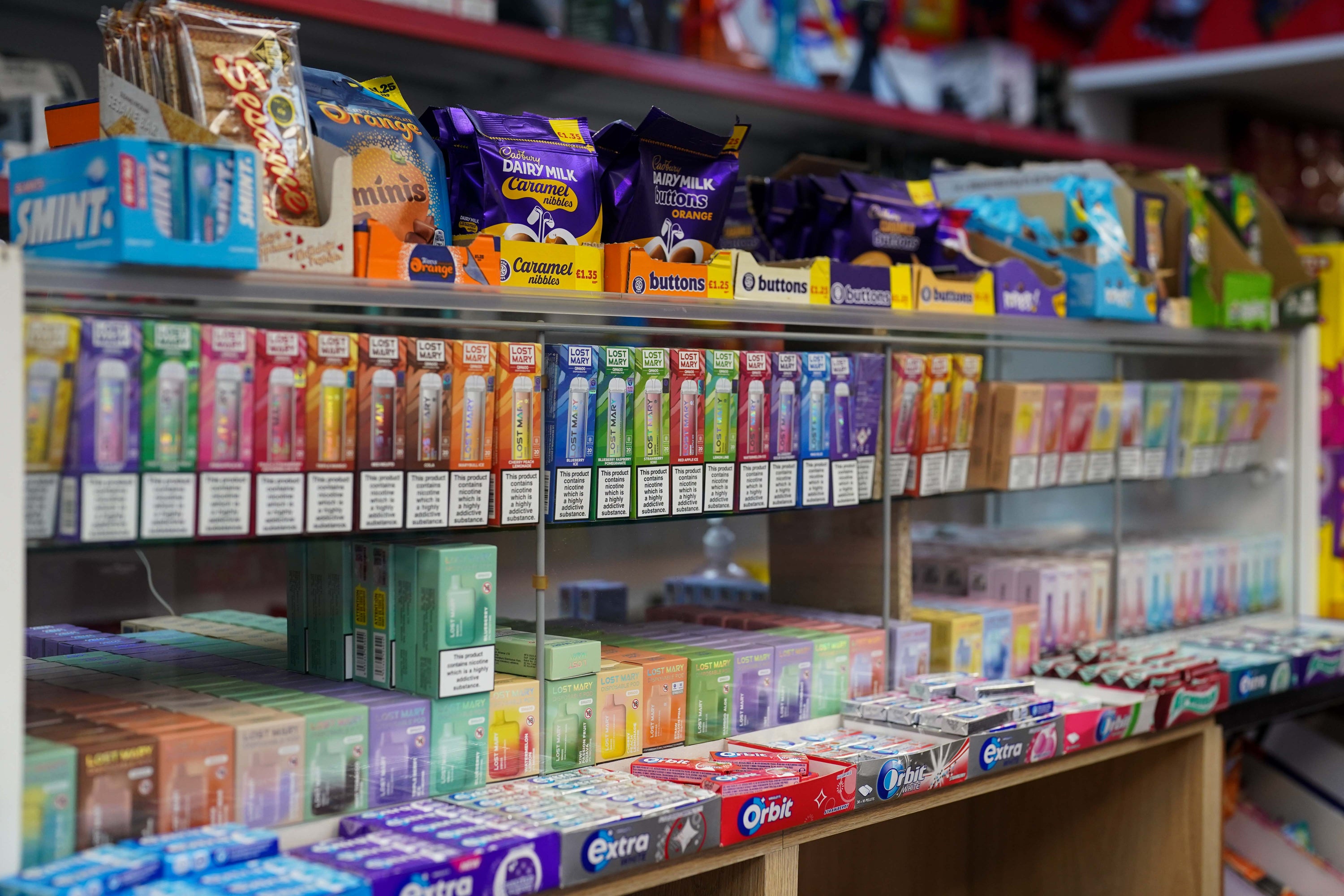
In fairness, this is all part of a worrying but much wider trend that could reasonably be called the “kiddification” of adult products. Just think back to the upsurge of Prime or the latest energy drinks marketed heavily towards children and teens – all while likely contributing to obesity, disrupted sleep, anxiety and poor concentration in school.
In 2025, the government moved to act, announcing it would ban high-caffeine energy drinks for under-16s in England to prevent harm to children’s health. Around 100,000 children were thought to consume at least one high-caffeine energy drink every single day.
Perhaps worst of all has been the rise of vaping, pitched as the “healthier” alternative to smoking while being given a kid-friendly rebrand, all coloured packaging and juvenile flavours. On the one hand, it’s dangerously appealing to adolescents; on the other, it’s grimly infantilising and vaguely embarrassing to see people with a fully developed prefrontal cortex voluntarily puffing out plumes of sour raspberry, bubblegum or cherry ice.
Please don’t think I’m a killjoy; grown-ups can, of course, imbibe whatever they like (within reason). Your body, your choice, and all that. But perhaps we might consider leaving the over-18s pursuits to the actual over-18s, and stop giving the CBeebies treatment to products that are patently harmful for children?

