
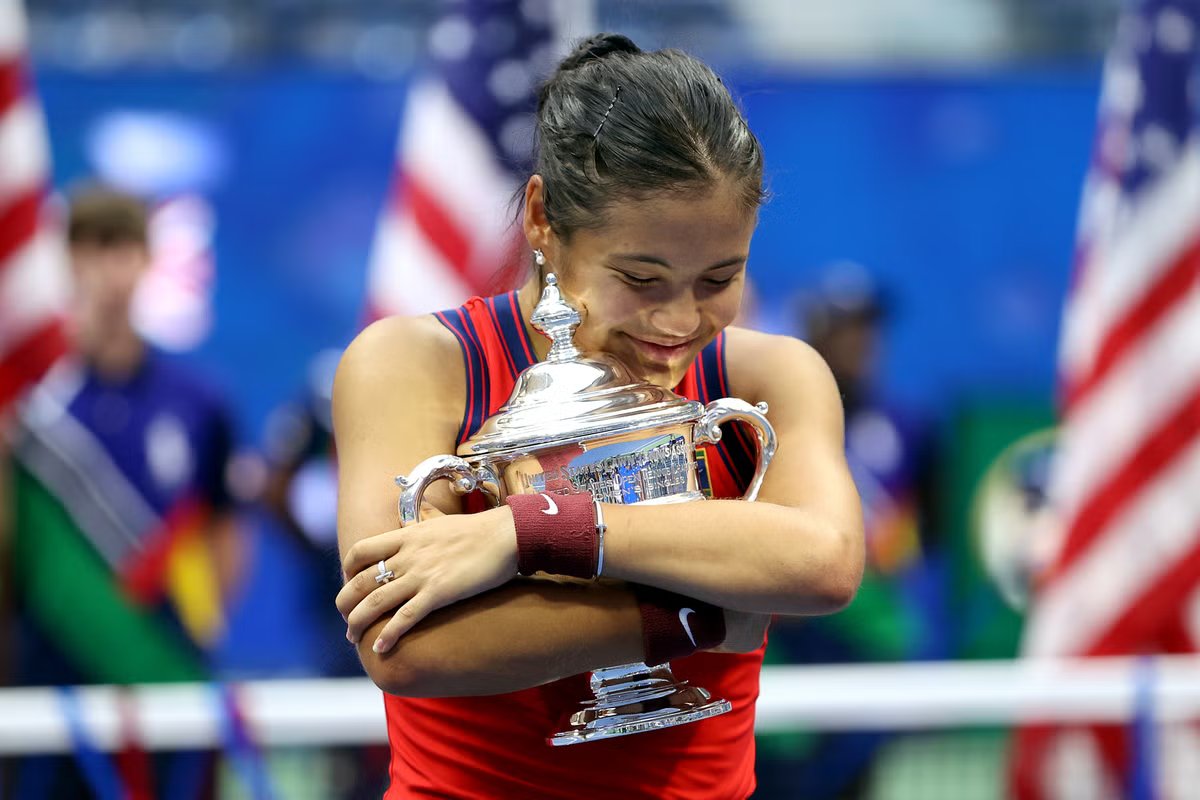
When Emma Raducanu entered the US Open as a qualifier in 2021– ranked 150th in the world – she reached the final without dropping a set, where she beat Canada’s Leylah Fernandez 6-4 6-3 to take home the Grand Slam title with a 109-mph ace. She was 18, and the first British woman to win a major singles championship since 1977.
Like other athletes, performers – or all round over-achievers – who found success early in their careers, the now-23-year-old has been consistently compared to her former self in the build up to this year’s tennis season. Predictably, this narrative only intensified when the sports star pulled out of Wimbledon due to injury just hours before her first match.
“Emma Raducanu is a one hit wonder,” one sports publication declared the year after her US Open victory. “Raducanu is not serious about becoming elite,” another preached this year. After the British number one withdrew from the Nottingham Open this month, former US-pro Andy Roddick slated her on his podcast. “The one time we’ve seen Emma Raducanu play every day for three weeks in her professional life, the most days for three weeks, she produced a level that won a Grand Slam,” he said, chalking his passion up to her potential.
Although Raducanu experiences comparison with her past self on the world’s stage, this phenomenon is far from unique to elite athletes; Among the general public, the call is often coming from inside the house. In fact, studies have found that while women are less willing than men to compete against others, they’re just as willing to take on the challenge to improve themselves and compete against their past performances. For both genders, self-competition made them feel in control and safe.
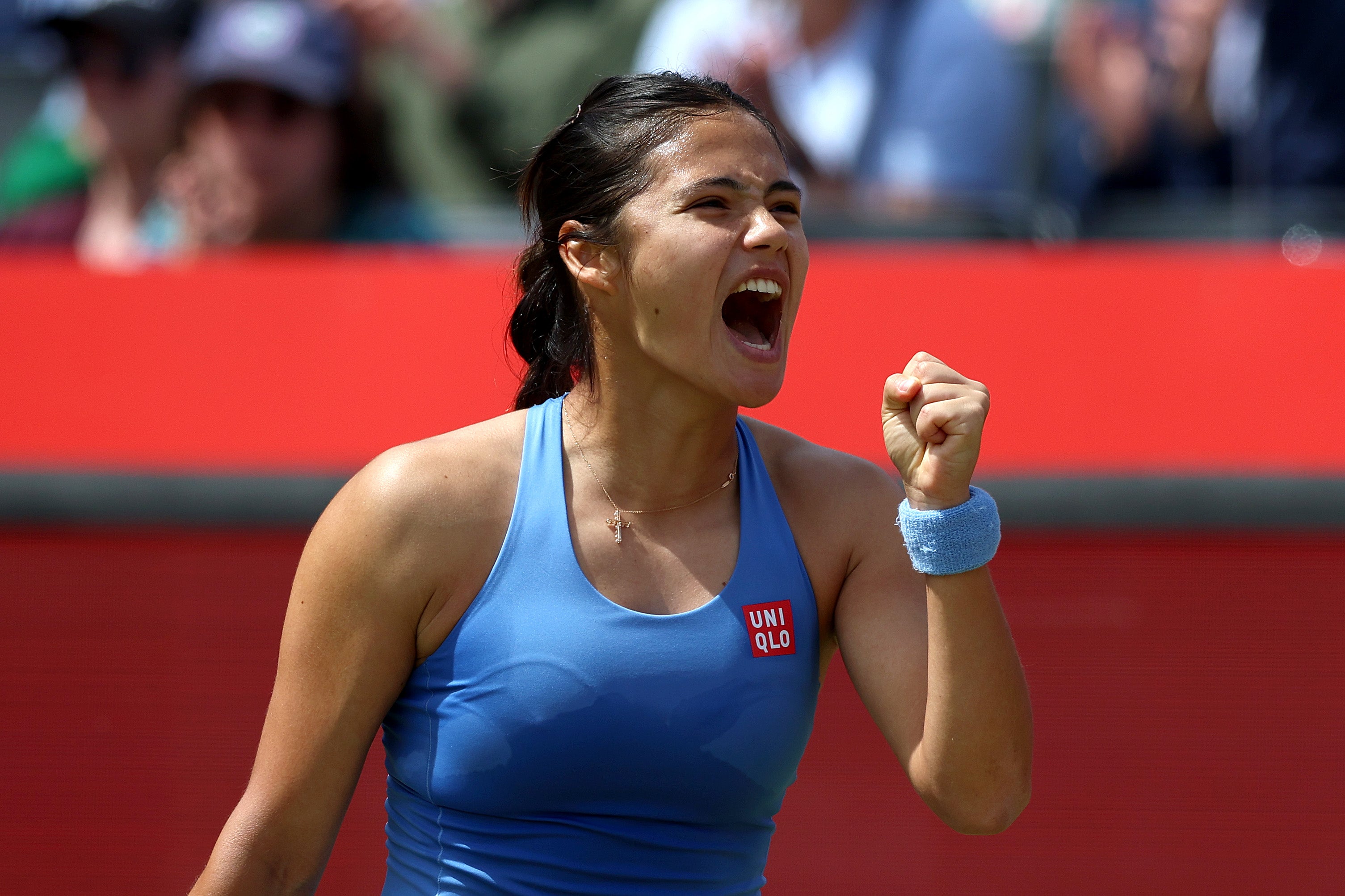
“The only person you should compete with is yourself,” is a common mantra on life coaching and wellness pages online. But in the age of “maxxing”, when everything from sperm to fibre intake can be pushed to its limit, being better than you were yesterday has never looked like more of an unachievable mission to achieve: there’s no end to improvement.
“On the surface, competing against yourself sounds quite healthy but it becomes problematic when that internal benchmark is fixed to a peak moment rather than a present task,” says sport and exercise psychologist Tia Prior. “That kind of self-reflection during a performance, places more judgement on your worth and ability. You simply can’t be the performer and the critic at the same time…You’ll make big mistakes.”
Career coach and former tennis pro and investment banker Kasia Siwosz thinks the whole idea of self-competition should be reframed. “Emma Raducanu is capable of winning a Grand Slam. She’s proven it,” she says. “Compare that to people who’ve never done it, professional players who’ve been in the top 10 or 20 for years and have never got that title.”
In terms of corporate or creative pressure, she tells her clients: “You demonstrated you can do it. What about all your other colleagues that never demonstrated it?” This process should help anyone competing with past performance to turn it into something positive, rather than adding pressure. “It should actually give you more confidence in yourself,” she says. “Because, you know how it feels. You know how it’s done.”

“If you achieve something great, it’s really not an accident. The problem that arises with athletes and high achievers is that they set their peak as their new standard – and that’s difficult to match. So, the question isn’t ‘can I do it again’ but rather ‘How do I make it more consistent?’ Turn the anxiety to agency.”
With her high net worth clients, Siwosz tells them to break their next project into micro tasks to focus on, rather than comparing themselves to their last best pitch. “That’s a very dangerous game,” she says. “So go, ‘OK, you have the pitch, you have the presentation, you have this big deal to win. Let’s just focus on this one thing and forget everything else.”
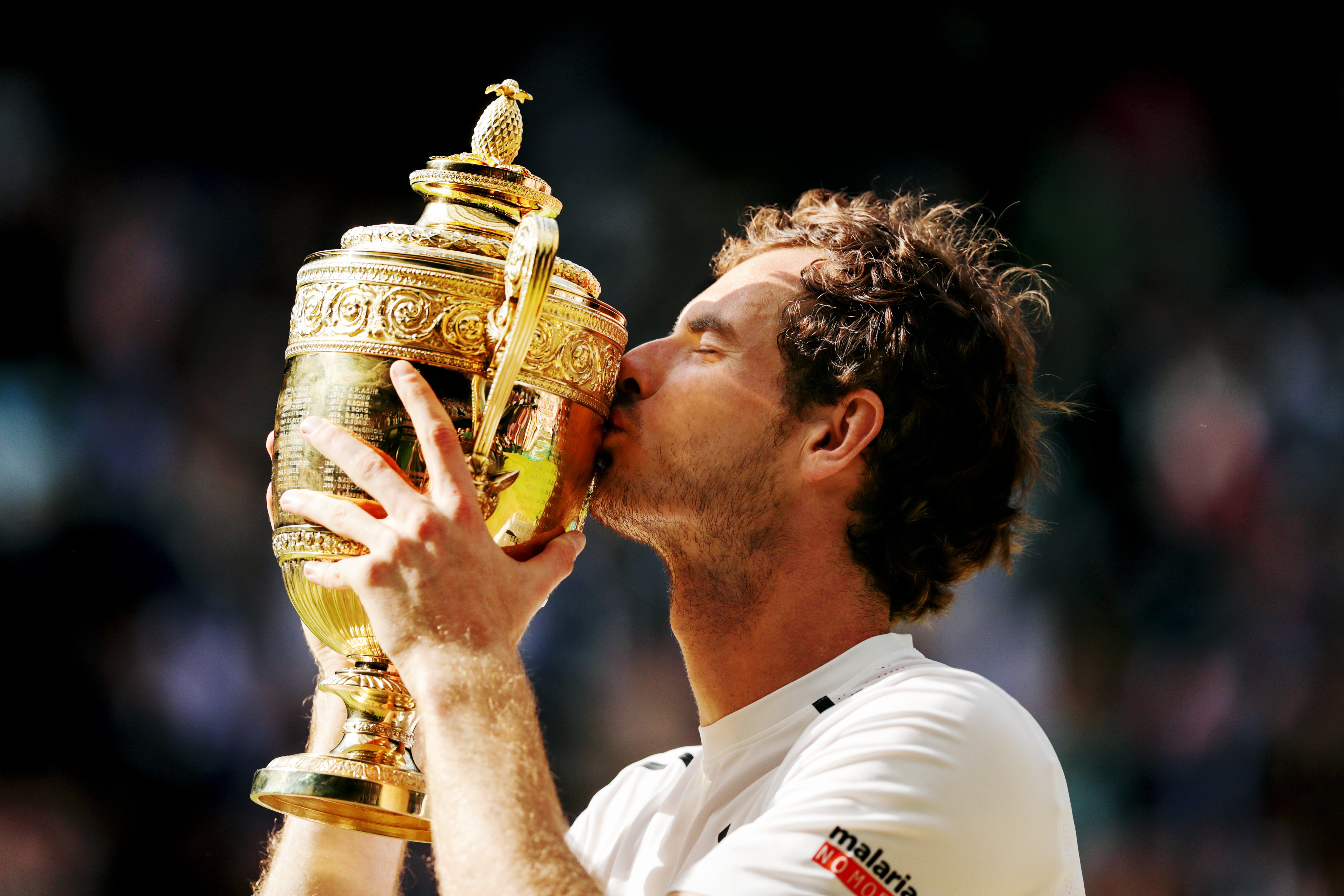
The approach is markedly similar to the process-focused cues Prior works on with athletes, which are direct, actionable instructions or mental reminders designed to bring the person back into the room. For example, Andy Murray once shared that his are: 1) Be good to yourself, 2) Try your best, 3) Be intense with your legs, 4) Be proactive during points, and 5) Focus on each point and the process.
“There’s something to be said for self competition when it allows you to raise yourself up, rather than relying on external factors like negative or parental expectations,” points out psychologist Dr Candice O’Neil. “Then, it would be your measure of success that’s important, rather than anybody else’s standards. It could be that your mental health is more stable than the previous year, or that you’re coping or managing yourself better. Self competition in that sense can be really helpful.”
Raducanu told Grazia in a recent interview ahead of Wimbledon that she struggled to grow up with “every mistake or decision” up for scrutiny on the public stage. “I wish I had trusted my instincts more. In the last few years, I’ve been more comfortable being open and honest,” she said.
Incidentally, the sports star is now back working with the man who guided her to US Open victory: Andrew Richardson. But it’s clear that, unlike those chattering online, Raducanu is still looking forwards: “I know tennis is one chapter of my life,” she said of the future. “But I have a lot more than just tennis ahead of me. I can’t wait to delve into another chapter, and to think that my life really starts in my thirties is exciting, even though I’ll have had a whole tennis career by then.”

