

Some 100,000 dogs are accidentally killed across the U.S. each year while being driven in truck beds, according to the Humane Society of Utah. But the biggest threats to your pup may not be ones you can see.
The number one cause of death for dogs is cancer and six million furry friends are annually diagnosed with the disease, the National Cancer Institute says.
Pups with poor diet and little exercise are at heightened risk, which is why ensuring they stay active and eat well is incredibly important and can help them live as long as possible, experts told The Independent. Doing that could potentially extend their life by up to 30 percent, the researchers said.
Doggy dangers
Cancer is the leading cause of death in dogs across breeds, and more than four million die of the disease each year.

Heart disease is the second leading cause of death, Matthew Kaeberlein, founder and co-director of the Dog Aging Project, explained to The Independent. The Dog Aging Project is a study of nearly 55,000 dogs that seeks to understand how dogs stay healthy in later years.
The condition is driven by degenerating heart valves and problems with heart muscles. Trauma and accidents are the third-leading cause, he said.
“The rest is largely made up of degenerative, age-related diseases. Infectious diseases do occur, but they’re relatively uncommon in dogs that receive routine veterinary care and appropriate vaccinations,” Kaeberlein said.
Obesity is often a contributing factor in cancer, age-related diseases and heart disease in dogs. Dr. RuthAnn Lobos, senior veterinarian at pet food brand Purina, calls it the “biggest threat” to their lifespan.
“A multitude of research has demonstrated and reinforced that, including Purina’s groundbreaking 14-year dog lifespan study,” she said.
Scientists at the Purina Institute found that Labrador Retrievers that were fed lean meals from puppyhood into adulthood lived nearly two years longer than those fed less lean foods.
Most healthy dogs typically live for 10-15 years, although smaller breeds may live into their late teens.
That’s partially because large breeds age more quickly and may be more likely to experience abnormal cell growth that leads to cancer, the American Kennel Club says.
“We do know that genetics play a really strong role in how long a dog is going to live,” Daniel Promislow, who is also co-director of the Dog Aging Project, told The Independent. Promislow owns a half Curly-coated retriever- half Beagle named Pete.
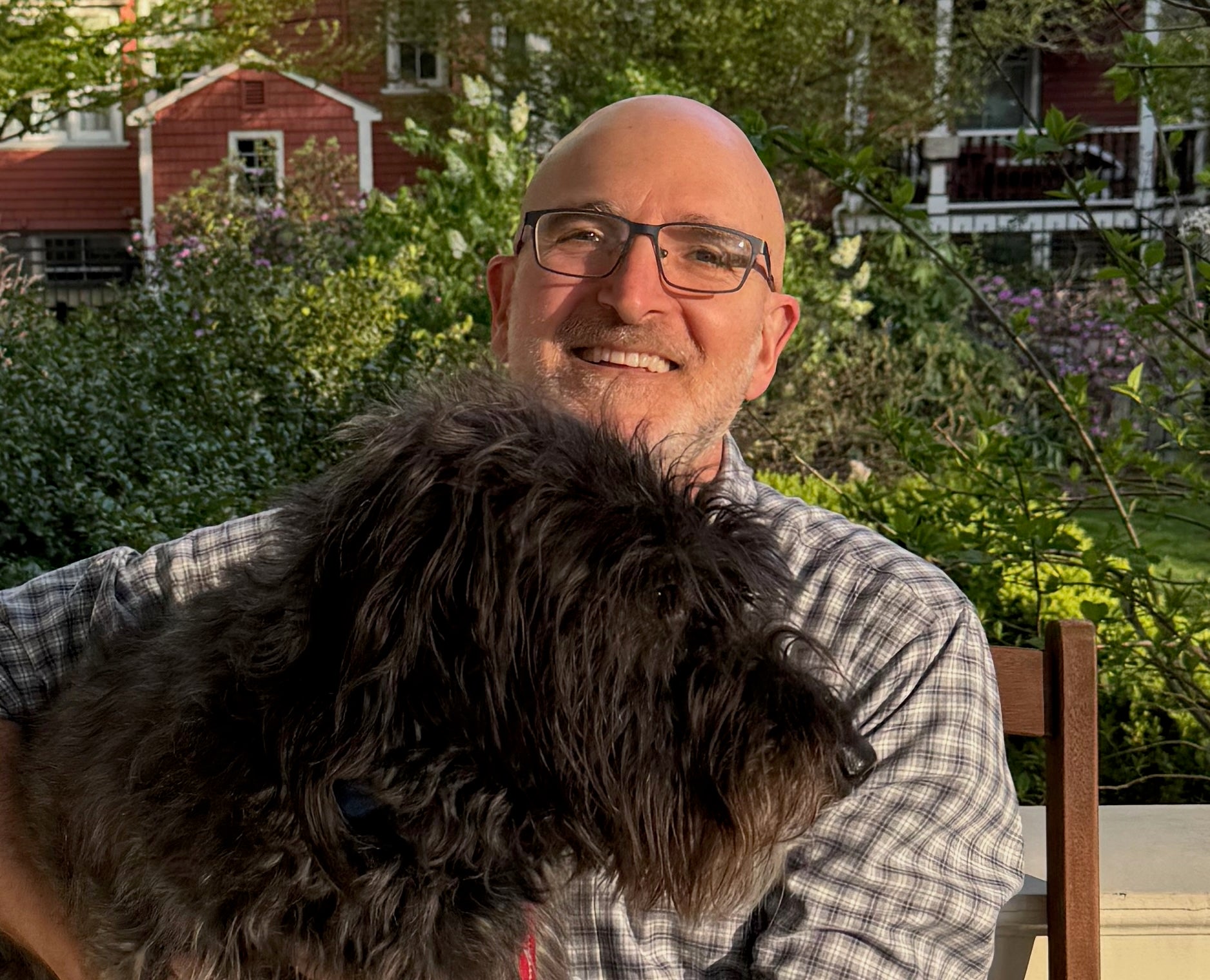
Beyond genetics, small health problems can snowball if owners aren’t regularly taking their dogs for checkups. That’s especially true in their senior years, which start at around age 7.
Owners commonly overlook oral health, for example.
“Poor dental health, particularly periodontal disease, is associated with increased risk of systemic conditions — including metabolic disease, cardiovascular disease, cognitive decline and possibly cancer,” Kaeberlein said. “Taking care of a dog’s mouth isn’t just about the teeth, it appears to have whole-body benefits.”
Researchers are still learning about the ties between dental disease, chronic pain and cognitive decline in dogs, Lobos said. An at-home dental cleaning or even cleanings from a groomer can miss major problems with pet tooth health, lulling owners into a “false sense of security,” she warned.
Paw patrol
The simplest way to protect Fido is to take preventative action to protect his overall health. That means feeding him nutritious meals — but not overfeeding him.
”Don’t overfeed, limit highly processed human foods and prioritize regular exercise,” Kaeberlein advised, noting that a recent study showed dogs that got more exercise had a significantly lower risk of cognitive decline.
More regular trips to the veterinarian may be necessary, as well as getting vaccines and medications to ward off pests like ticks, fleas and heartworm. Genetic testing may also help to identify specific conditions.

Like humans, dogs may be exposed to chemicals, metals and pollution outside and inside homes, leaving them susceptible to developing cancer or another disease.
Minimizing exposure to harmful pollutants is crucial — and it’s especially true for breeds that are known to get cancer more often than others due to genetics. Those breeds include Pugs, Shar Peis and Rottweilers, according to the Animal Cancer Foundation.
Seniors need more support due to changes in the brain, gastrointestinal tract and to their mobility, said Lobos.
Arthritis is incredibly common in older dogs, she noted. That’s why low-impact sports like frisbee or surfing or even just a walk in the park are great ways to ensure seniors get the movement they need without wearing down their joints.
“Talking to your dog’s veterinarian about ways to support those changes in a dog’s later years through nutrition and appropriate supplements can really help,” Lobos said.
Don’t forget about Fido’s mental health, either. Recent research has shown that like humans, poor mental health can show up in physical ailments in dogs.
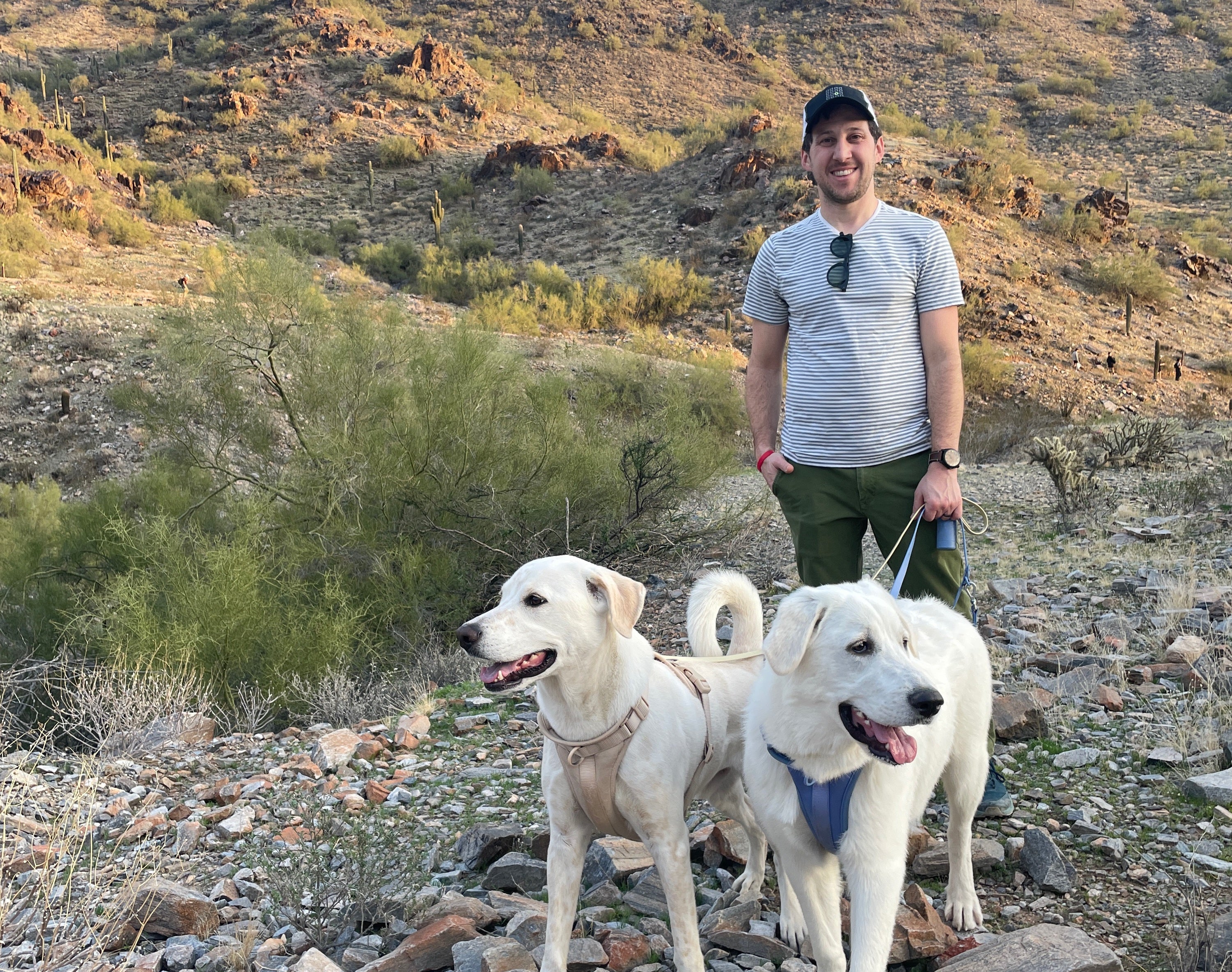
Stressors like arguments at home can strongly impact a dog’s health, rate of disease and survival, Noah Snyder-Mackler, an assistant professor at Arizona State University, told The Independent. Snyder-Mackler owns two dogs, a mix of Great Pyrenees and “a bunch of other random things” named Homer, and a Great Pyrenees named Juno.
“Dogs are sort of as sensitive to their social environments as humans are, in very similar ways,” he said.
A better future for man’s best friend
While studies of humans can take decades, similar studies may only take years for dogs, Promislow said, due to their shorter life span.
“Because everything is sped up in the life of a dog by almost a factor of 10, there might be an opportunity to discover environmental risk factors that are impacting the health of dogs and then do targeted studies to determine if those environmental factors are also increasing disease risk in humans,” he said.
With advancements in our understanding of dogs and updated treatments, humans may be able to extend a healthy lifespan by 20-30 percent, according to Kaeberlein.
“And potentially more is within reach if we commit the resources to do the science properly,” he said.

