
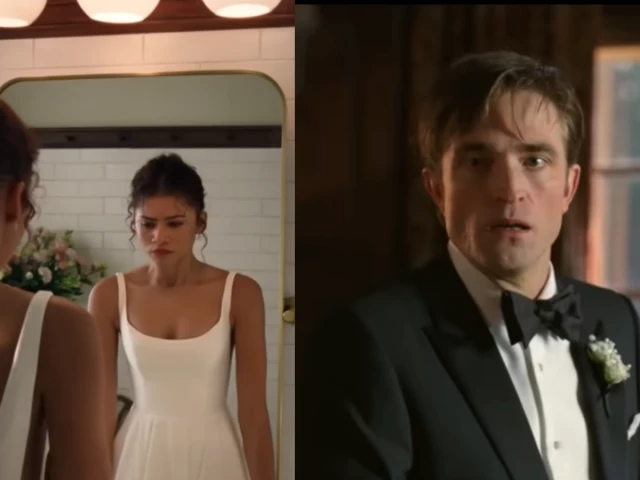
Kristoffer Borgli’s unsettling new film balances dark humour, psychological tension but struggles to stick the landing
Zendaya and Robert Pattinson pair up for The Drama, and drama they deliver. Packed with emotion and a killer plot, the film serves almost everything, but misses the mark when it comes to getting its message across.
A dark secret is revealed a week before the characters’ wedding, creating a domino effect that brings in layers of twists and betrayal on both sides. Norwegian director Kristoffer Borgli sets out to portray a discomfiting plot that involves tricky issues, recklessly raised by naive young people who assume the worms released can easily be put back into the can.
Screengrab
Charlie, played by Pattinson, is a British art historian and museum curator who is about to get married. He is seen walking around with rumpled hair hanging over his face, gloomy eyes peering over his glasses, twitchy from the very first scene.
Having met Emma, played by Zendaya, in a meet-cute moment, acting as if he had read her favourite book, the movie sets itself up on a ruse from the opening shot.
Borgli, an acclaimed director with films like Dream Scenario, brings his distinct filmmaking style to The Drama.
The movie jumps between scenes and timelines, hooking the audience with abrupt shifts in storytelling. The jumps lead the audience through a nonstop dose of emotions, from wanting to laugh at one moment to feeling baffled as the hero’s sanity begins to crack.
Visually, the film leans into a slightly muted, cold palette that mirrors the emotional distance building between the characters. The camera often lingers in close, uncomfortable frames, especially on Charlie, capturing every twitch and flicker of doubt. At other times, wider, almost detached shots make the characters feel small within their own choices, adding to the uneasiness that runs throughout the film.
Screengrab
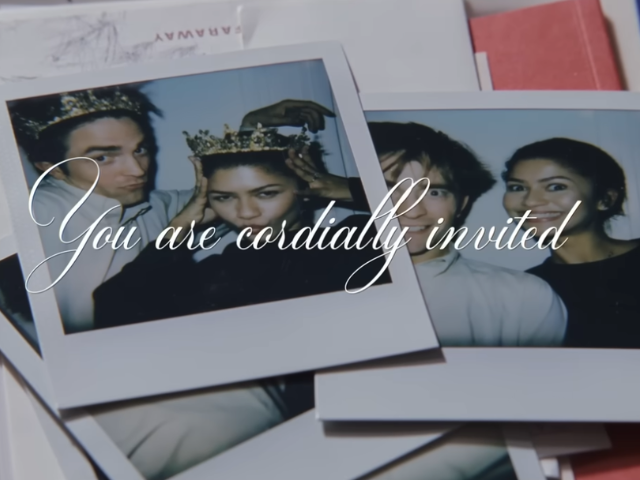
Charlie and Emma’s relationship is captured in a montage of fast-cut scenes, leading to the big reveal a week before the wedding. The couple sits beside each other deciding their wedding menu with their best man and maid of honour.
Halfway drunk on pink wine, the four start a game about the worst thing they have ever done. As everyone takes turns, the focus shifts to Emma, and her response floors everyone, not in a good way.
Screengrab
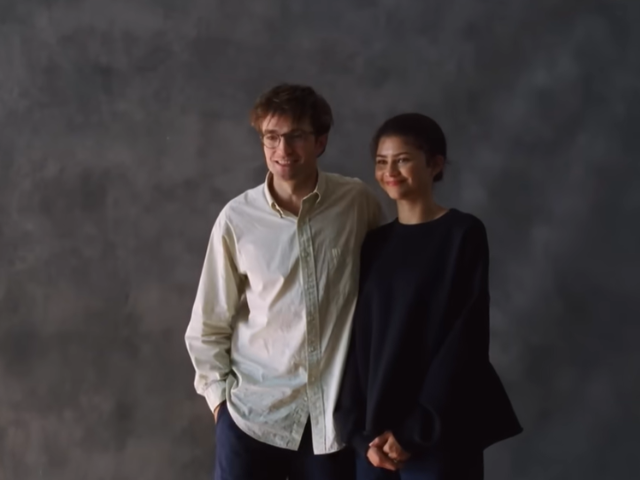
Emma comes across as an eager-to-please soul with a smile that makes her instantly likeable. When she opens up about her deep, dark secret, it becomes the turning point of the film.
Charlie, still in shock over Emma’s revelation, is suddenly gripped with fear that he is about to marry a psychopath. That’s when The Drama begins to unravel, shifting from an amusing film into something more unsettling.
Screengrab
The movie raises a central question: how does one almost commit a school shooting? Even though the film approaches the topic with an edgy, comic stance, its flashbacks showcase a young, unhappy, lonely teenager who develops dangerous fantasies through exposure to internet memes, something that deeply unsettles her now-fiancé, triggering a neurotic unravelling.
Pattinson certainly accomplishes Charlie’s breakdown, moving from twitchy to even more unstable. He plays out the revelation in his mind, trying to form rational dialogue with himself about whether going forward with the wedding is even possible at this point.
The audience, however, is left picking up the pieces of what started as a comedic narration of wedding jitters and preparation, to what turns into a psychodramatic narrative.
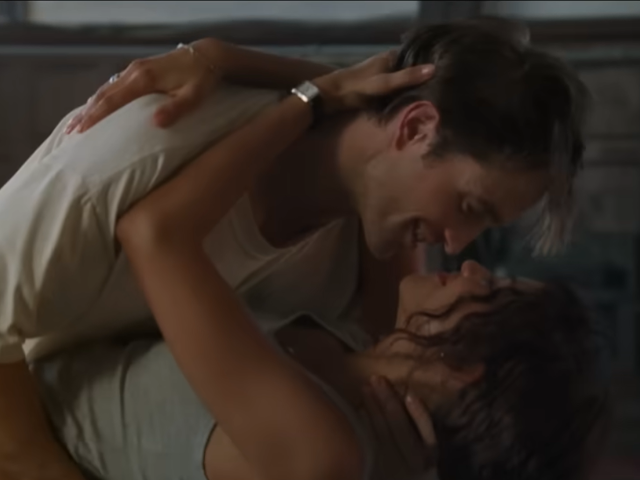
As the director builds on the theme, flashbacks show Charlie holding hands with a younger Emma, trying to find any resemblance to that girl in the person he is now about to marry. The camera direction in these moments softens slightly, with warmer tones and steadier frames, contrasting the otherwise tense and restless visual style.
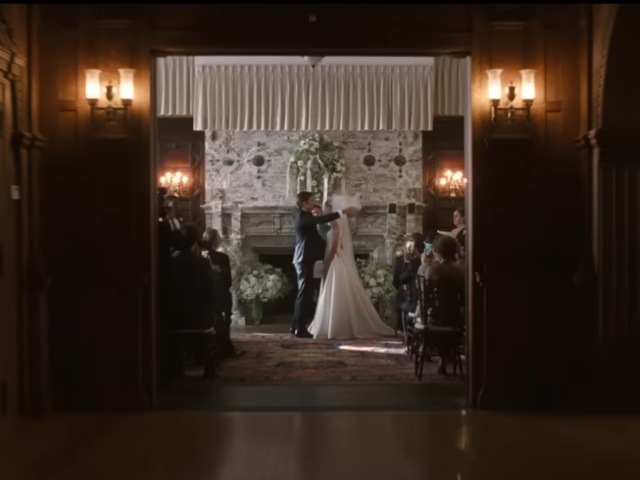
Screengrab
Angst, cringe comedy, wedding rituals, and an ethical debate on what’s worse, almost committing a mass shooting or actually locking up a mentally impaired child in a closet, are what hold the plot from completely falling apart.
The film’s overall feel stays unsettling, balancing dark humour and psychological tension, but never fully allowing the audience to settle into one emotion.
Although the actors arguably deliver some of the best performances of their careers, Emma feels written without enough present-tense darkness, while Charlie is left spiralling, making decisions that leave him short on a moral compass.
The film takes the audience on a rollercoaster of emotions, attempting to tackle the heavy theme of mass killing. However, the message remains unanswered. Charlie gets caught up in his own infidelity trying to process the big reveal, leaving the core theme lost and unresolved, and the audience questioning what the film ultimately wanted to say.

