

There is a strange contradiction at the heart of parenting: you spend years teaching your child to need you, and then you have to teach them how not to. You tie their shoelaces, solve their problems, and speak for them when they are little. But eventually, the job changes. They have to make decisions, handle disappointment, face consequences and learn how to stand on their own.Michelle and Barack Obama are parents to two daughters, Malia and Sasha, who are now adults and living independently. For Michelle, that transition from raising children to letting them make their own choices is something she has clearly thought deeply about. She believes that preparation cannot begin when a child turns 18.
28 Jul 2026 | 16:26
Which parenting tip from elders actually worked for you?
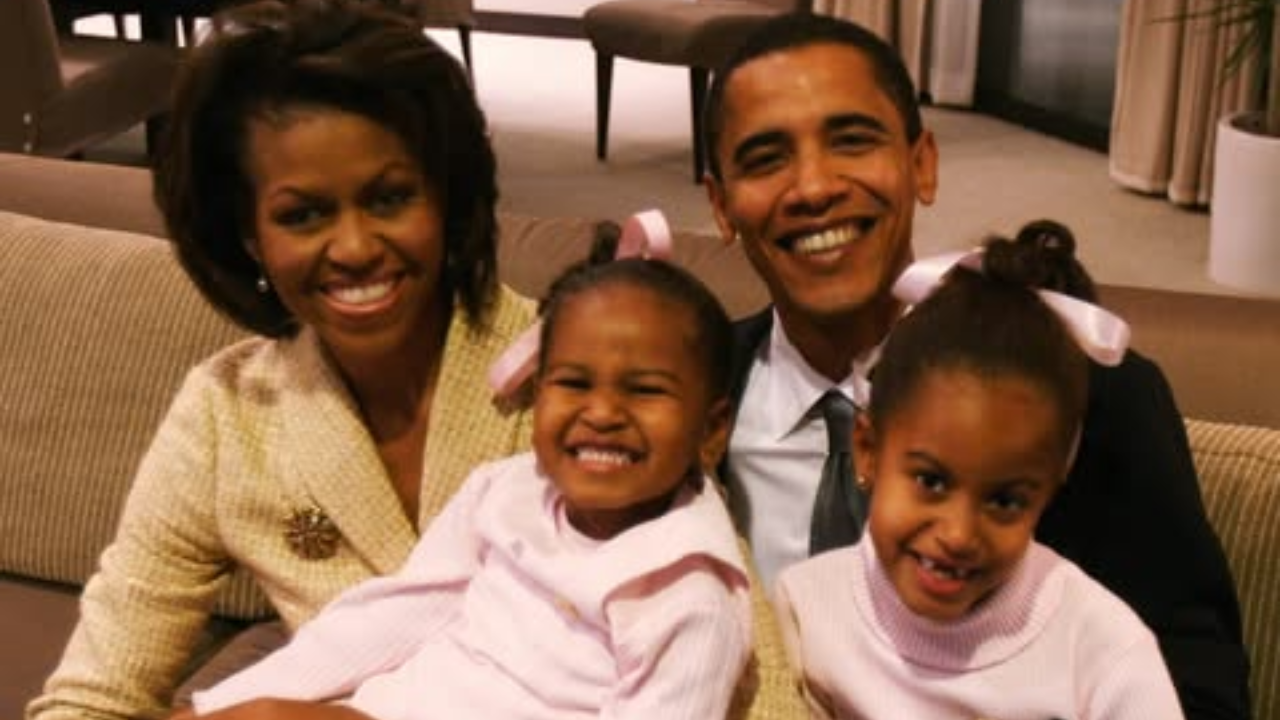
Photo source: Instagram/@michelleobama
“Tell them no when they’re five”
Speaking on On Purpose with Jay Shetty, the former US First Lady spoke candidly about the kind of parenting she believes helps children become independent adults. “If you make your kids sleep in their bed, if you tell them no when they’re five, if you teach them boundaries and don’t let them talk back and help them be socialized beings by setting forth some real hard-to-manage boundaries at three and four and five,” she said, “you’re not even dealing with a lot of these issues at 16 because they’ve practiced something else in your presence.”Her message was not about being a harsh parent. It was about being willing to do the difficult things early- setting boundaries, saying no and allowing children to experience mistakes while they are still young.That idea- “They’ve practiced something else in your presence”- perhaps explains her philosophy best. Children don’t suddenly become responsible because they turn 18. They practise responsibility in small ways throughout childhood. They learn that sometimes the answer is no.
‘We either do this stuff early’
For Michelle, those uncomfortable childhood moments are an investment in the future. “We either do this stuff early and deal with it, have these hard kinds of conversations, deal with these mistakes and failures when they’re 10 and five and 13,” she said, “rather than having them live in our basement at 35 for the rest of their lives.” Her point was not really about a literal basement. It was about raising children who can eventually “handle their business” without expecting their parents to keep stepping in.““It’s like, I don’t want a kid in my basement. Our parents parented us not to be in their basement,” she said. “You pay your bills, you handle your business. That’s our motto. Are you handling your business?”

The other half of independence: letting them choose
Perhaps the more difficult part of her parenting philosophy comes when children grow older. Because eventually, saying “no” has to give way to saying, “It’s your choice.”Michelle spoke about having to do exactly that with her daughters. When it came to choosing a college, she might have disagreed with their decision. “I may not agree with you,” she said. “I don’t think you’re going to like that school, but it’s got to be your choice.” The same applied to relationships. “I don’t think you’re going to like that girlfriend. It’s got to be your choice.” And that, perhaps, is where independence becomes real. A child cannot become independent if every difficult decision is secretly being made by a parent.Michelle described the next step beautifully: “I got to look the other way. And then I’ve got to be there with you after you make that mistake going, it’s okay. Let’s talk about it. What did you learn?” That is not abandonment. It is presence without taking over.
‘They get gratification in saying they did this’
Michelle said that her children eventually reached a point where they didn’t necessarily want their parents’ help. “All of our kids, they don’t want our help because they’re, they get gratification in saying they did this.” That may be one of the most important outcomes of parenting: not raising children who never fail, but raising children who believe they can recover when they do. Because the parent who solves every problem may produce a child who keeps looking for a solution outside themselves.Children need boundaries when they are small. They need opportunities to make choices as they grow. Eventually, they need parents who can step back far enough to let them own the life they have been preparing for. As Michelle put it, sometimes the hardest part is simply allowing the child to say: “I did this.”

