

NEWYou can now listen to Fox News articles!
A message from a stranger on LinkedIn probably would not set off alarms for most of us. Especially when that person appears connected to someone you already know. That is how Gaby’s story began. Gaby recently joined me on “The CyberGuy Report Podcast” at cyberguy.com/podcast/ to explain how an online relationship that began in 2019 grew into a devastating romance scam. Over roughly two years, she says she sent close to $1 million to a man she never met. The person Gaby thought she had fallen for was using the photos and likeness of a real man named Brian Haugen, who also joined us to explain what it has been like watching scammers use his photos to target women around the world.
Gaby described how quickly the attention pulled her in. “The words that he spoke, it was like a drug,” she told me. The compliments kept coming, the relationship grew more intense and eventually the requests for money began. Her experience is also part of “Hey Beautiful: Anatomy of a Romance Scam,” the three-part Hulu docuseries about women who believed they were communicating with the same man.
AI IS CHANGING MODERN DATING, BUT EXPERTS WARN IT’S MAKING PEOPLE ‘RELATIONALLY STUPID’
Scammers used photos of Brian Haugen, left, to build trust, fabricate emergencies and convince Gaby, right, to send nearly $1 million. (Kurt “CyberGuy” Knutsson)
What makes Gaby’s story so revealing is how slowly the deception took hold. The scammer built trust over time, returned some of the money she initially sent and always seemed to have another explanation when they could not meet. By the time the biggest requests arrived, the relationship already felt very real.
NEW! Join our upcoming CyberGuy LIVE class: Get Better Healthcare With AI
In this free live online class, Kurt “CyberGuy” Knutsson will show you five practical ways AI can help you take a more active role in your healthcare. You’ll learn how to organize your health history, remember important appointment details, understand complicated medical information, research prescriptions and prepare questions for your next doctor’s visit. No technical experience is needed.
Register for free now at CyberGuyLive.com
A LinkedIn message felt safer than a dating app
Gaby says the first contact came through LinkedIn in March 2019. That detail helped lower her guard. She primarily used LinkedIn to connect with business contacts. More importantly, the stranger appeared connected to one of her former colleagues. “So I thought, oh yes, she knows him. Okay. That’s fine. So let’s contact,” Gaby recalled.
That small connection gave the profile credibility it had not actually earned. Scammers can take advantage of exactly that type of information. The FTC says criminals may study what people post on social media and use those details to shape a more convincing approach. The FBI also advises people to be careful about what they make public online because romance scammers can use that information when targeting potential victims. Gaby’s experience shows why a mutual connection on a social platform should never replace independent verification.
The money requests started small
The fake Brian did not open the relationship by demanding hundreds of thousands of dollars. Gaby says they spent weeks talking about his supposed business activities. He claimed he worked in the gemstone trade and told her he had traveled to Vietnam. Then came a problem. He said his bank account had been blocked. Gaby remembers sending about $10,000 at first. Then something happened that dramatically changed how she viewed him. He gave the money back. That repayment helped convince Gaby that she was dealing with someone she could trust. As she explained, “I started to trust him because he sent me back money.”
That move is especially revealing. If someone takes your first payment and disappears, you know you have a problem. Returning money can create the opposite reaction. It makes the next request feel less risky because you have already seen what appears to be proof that the person keeps a promise. The requests continued. Gaby recalls amounts of $10,000, $20,000 and $40,000 adding up over time. Eventually, she says the man told her he needed about $200,000 to deal with taxes and customs fees. He promised he would repay her once the supposed financial roadblock disappeared.
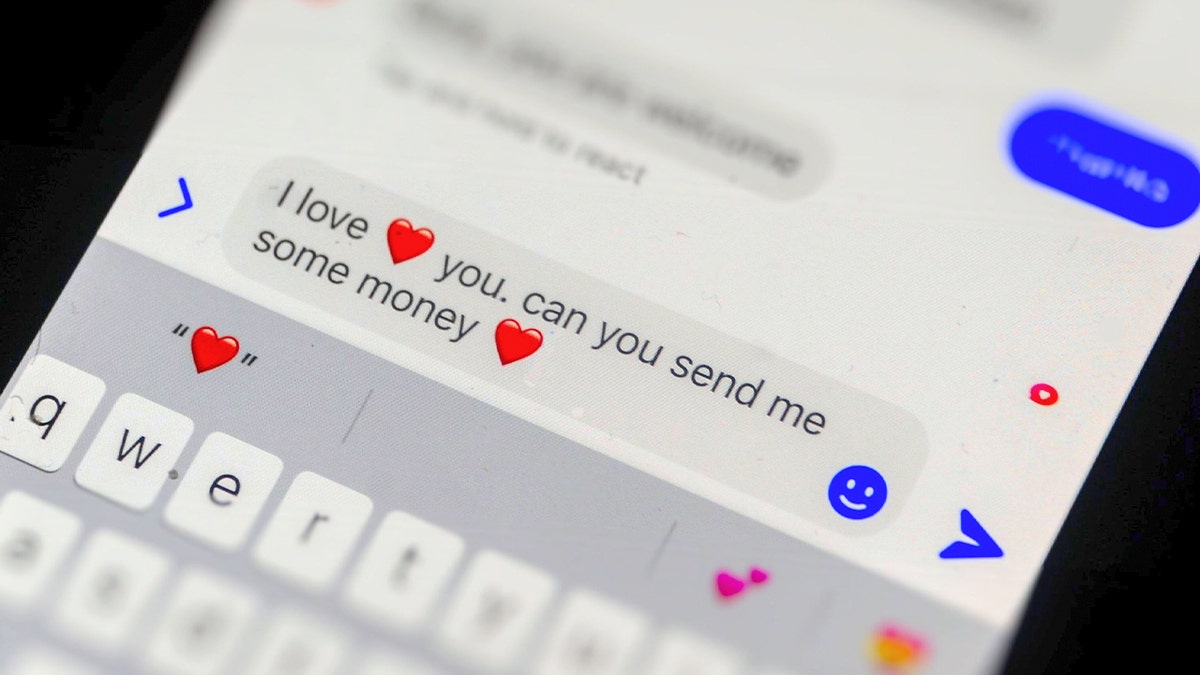
Scammers are using AI to improve on old tactics, such as romance fraud. (Frank Brennan/iStock/Getty Images)
Every attempt to meet came with an excuse
At some point, an online relationship has to enter the real world. Gaby thought about traveling to Vietnam to see him. The man pushed back. According to Gaby, he said he was under stress and did not want her seeing him when he did not look his best.
They continued talking about meeting. Then the COVID pandemic made international travel far more difficult. I asked Gaby whether the fake Brian always seemed to come up with another reason they could not see each other. She agreed that he did. The FBI identifies that pattern as a major romance scam warning sign. Scammers may promise to meet and then repeatedly cancel because of an emergency or another obstacle. The agency advises people to become suspicious when months pass without an in-person meeting.
Then a medical emergency raised the stakes
Eventually, the story shifted from business trouble to a supposed health crisis. Gaby says the man claimed he needed surgery. She recalled how quickly the request became tied to the relationship itself: “Suddenly he told me he needs surgery to prove my love. I sent 500,000.”
That is a staggering amount of money. Yet by this point, Gaby was dealing with someone she had communicated with for a long time. He had become part of her daily life. He had also returned money before. The financial emergency came after the emotional groundwork. Federal authorities repeatedly warn about that progression. Romance scammers can spend weeks or months building trust before introducing an emergency and asking for money. The FBI warns consumers never to send money to someone they have only communicated with online or by phone.
FLORIDA MAN WHO ALLEGEDLY LURED WOMEN WITH DATING APP COULD HAVE MORE VICTIMS: AUTHORITIES
The real Brian had no idea his face was being used
The person in the photographs was real. The identity behind the messages was another story. Brian Haugen joined me in the studio to explain what had happened to his images. “They steal my photo off of a social media account,” Brian said. He explained that scammers then used those photos on accounts with different names to approach women and ask for money. That makes Brian another victim of the scheme.
He also described how far the identity abuse had spread. Brian said he had become nervous about traveling because “there’s multiple passports that have my photo on it in people’s different names.” Imagine seeing your face attached to conversations you never had with people you have never met. The FBI says romance scammers frequently use photographs stolen from someone else rather than images of themselves.
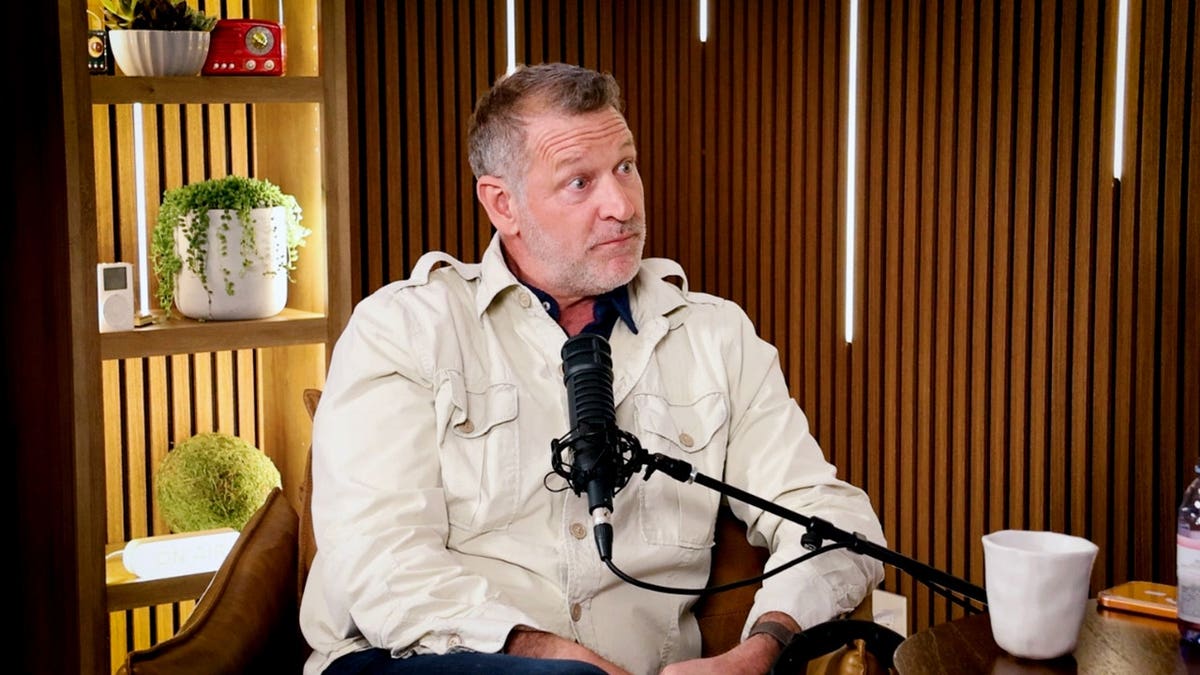
Brian Haugen explains how scammers stole his photos and reused them on fake profiles to target women. (Kurt “CyberGuy” Knutsson)
What Hey Beautiful reveals about romance scams
Brian’s experience became part of Hey Beautiful: Anatomy of a Romance Scam. The Hulu docuseries follows women from around the world who fall for an online boyfriend who turns out to be someone else. The series has three episodes and originally debuted in 2025. What makes the story useful for anyone watching is the playbook behind the deception. Romance fraud can rely on stolen identities, information collected online and carefully timed emotional manipulation. Some criminal operations also involve multiple people rather than a single scammer working alone.
Brian described the people who used his identity as “Yahoo boys,” a term often associated with certain online fraud groups. That should not be taken to mean that every romance scam comes from one group or one country. Romance fraud can originate in many places and take many forms. The consumer lesson remains the same: do not assume you know who is behind an online profile simply because the pictures look convincing or the person’s story feels personal.
Romance scams thrive on social media
Social platforms have become a major starting point for these schemes. According to FTC data released in April 2026, nearly 60% of people who reported losing money to a romance scam in 2025 said it started on social media. Reported losses from romance scams that began on social media reached about $298 million during the year. That makes sense when you consider how much information many of us put online. A scammer may see your photographs or learn about your job. Posts may reveal that you recently traveled, moved or went through a major change in your life.
The FTC says scammers can use information from profiles to tailor their approach before inventing a crisis that requires money. For another example of how personal information can give criminals an opening, see our CyberGuy report on what a scammer can learn by Googling your name.
The email request that finally exposed the lie
Gaby eventually began questioning the person she had been talking to. She had followed the real Brian Haugen and booked an online session connected to him. That gave her a chance to communicate with the actual man whose face appeared in the photos. The fake Brian tried to explain away what she had discovered, but Gaby wanted stronger proof. She asked him to send her a message from the same email account connected with the legitimate Zoom meeting invitation. He stalled.
Gaby says one week passed, then another. She kept pushing for the verification. Finally, she told him, “Otherwise I don’t believe you anymore.” He never produced the email she requested. For Gaby, that was the moment the deception finally fell apart. Her experience also offers an important lesson. When you have doubts about someone’s identity, find an independent way to check their story. Do not let the person you suspect control all the evidence.
Tips to protect yourself from a romance scam
Gaby’s story shows how difficult these scams can be to recognize once trust takes hold. These steps can help you spot warning signs earlier and make it harder for a scammer to manipulate you.
1) Reduce what scammers can learn about you
Your social media profile can give a stranger plenty of material to work with. Review who can see your posts and photographs. Consider hiding your friends list and avoid publicly sharing details about your routine or upcoming travel.
The FTC recommends limiting who can see your social media posts and contacts so scammers have less information they can use to approach you. People-search websites and data brokers can expose additional information, including old addresses and contact details. You can remove information from many of those sites yourself. If you would rather automate some of that work, a personal data removal service can submit removal requests and continue checking participating sites. Get a free scan to find out if your personal information is already out on the web: Cyberguy.com.
SHE DIDN’T EXIST, BUT THE MONEY DID: A REAL INFLUENCER SOUNDS THE ALARM ON AI DECEPTION

A woman says she lost nearly $1 million after a LinkedIn connection turned into a yearslong romance scam using the stolen identity of a real man. (Kurt “CyberGuy” Knutsson)
2) Check the profile before you trust the person
A familiar photograph or mutual connection does not prove an account belongs to the person it claims to represent. Look at how long the account has existed and review its activity. Check whether another profile uses the same name or photographs. If the person claims to know one of your friends or colleagues, contact that person separately and ask about the connection. Also run a reverse image search on the profile picture. The FBI recommends this when you suspect romance fraud. If the image appears under another person’s name, take that warning seriously. Keep in mind that a clean search does not guarantee the person is legitimate. A scammer may use a newly stolen photograph or an AI-generated image that has never appeared online before.
3) Do not treat a video call as proof of identity
A video call can still be useful. Someone who repeatedly refuses to appear on camera should raise your suspicions. However, seeing a face on your screen no longer proves who is really behind an account. The FBI warns that scammers can use deepfake technology or involve other people in video conversations. Compare what the person tells you with information you find independently. Look for an online history that makes sense and never send money, because a video call convinced you the person must be real.
4) Slow the relationship down and bring someone else in
Be cautious when someone you recently met online becomes intensely romantic very quickly. The FBI advises people to go slowly and ask plenty of questions. It also helps to tell someone you trust about the relationship, especially before sending money. A friend or family member may notice contradictions that are much harder to see when you are emotionally involved.
5) Never send or move money for an online love interest
A sudden request could involve surgery, a frozen bank account or another supposed emergency. Whatever the story, stop before sending money to someone you have never met. Also refuse any request to receive money in your account and forward it somewhere else. The FBI warns that romance scam victims can become unwitting money mules when scammers convince them to move stolen funds.
6) Protect your identity too
Money may not be the only thing a romance scammer wants. They may also ask for account credentials, copies of identification or other sensitive information that can lead to identity theft. Even with good security habits, your Social Security number, financial information or other personal data may already be exposed without you knowing it. Consider using an identity theft protection service that monitors for suspicious activity tied to your personal information and alerts you when something needs your attention. Depending on the service and plan, protection may also include credit monitoring, financial account alerts and help recovering from identity theft. See my tips and best picks on Best Identity Theft Protection at Cyberguy.com.
You should also review your credit reports regularly, watch your bank and credit card accounts for unfamiliar activity and change passwords immediately if you believe an account has been compromised.
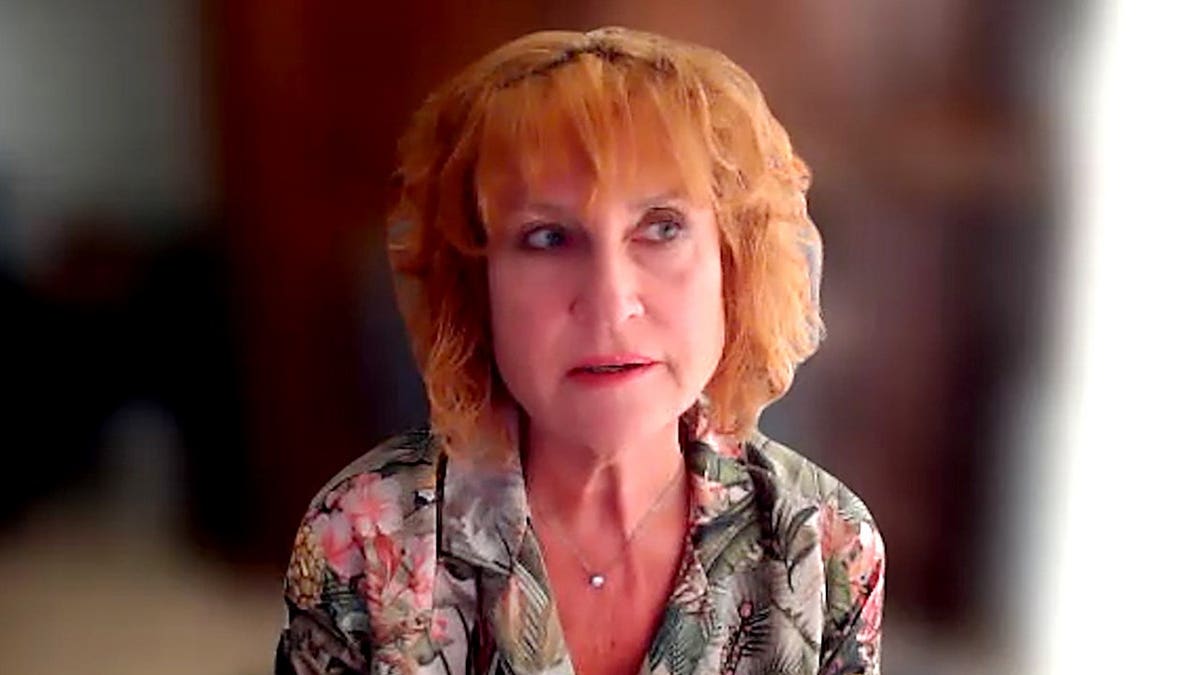
Gaby recounts how an online relationship that began on LinkedIn eventually cost her close to $1 million. (Kurt “CyberGuy” Knutsson)
7) Save the evidence and act quickly
If you discover a scam, do not immediately delete the conversation. Save messages, emails, screenshots and payment records. Keep links to the scammer’s profiles as well. If you already sent money, contact your bank or payment provider immediately and report the fraud. The FTC says acting quickly may improve your chances of stopping or reversing certain transactions. You should also report the scam to the FBI’s Internet Crime Complaint Center and the FTC.
8) Watch for a recovery scam afterward
A previous scam victim can become a target all over again. The FTC warned in August 2026 that recovery scammers may contact people who have already lost money and promise to get it back. They may claim to represent a government agency, law firm or recovery service. Then they demand an upfront fee or ask for financial information. Do not pay someone who unexpectedly contacts you and promises to recover money you lost to a scam.
Kurt’s key takeaways
What stays with me about Gaby’s story is how normal the beginning sounded. She was on LinkedIn. The profile seemed to share a professional connection with her. He talked about business. Later, he borrowed money and actually returned it. Each interaction gave the next one more credibility. As I said during our conversation, “Here’s what I know about romance scams. They are highly involved. They take weeks if not months of time to evolve.” That time gives scammers a chance to become part of someone’s routine before the biggest financial request ever arrives. It is also why we need to watch out for people we care about. During the podcast, I pointed to another warning sign: “If any of the people that you love and your family or really good friends suddenly go quiet and claim that they’re in love with someone from far away, or that they’re dating a celebrity, it happens. Really. It’s time for a reality check.” That reality check does not have to start with an accusation. Ask questions. Listen to the story. Find out whether the person has actually met their new partner and whether money has entered the relationship. Sometimes an outside voice can spot the pattern before another transfer goes through. Hear Gaby’s full story and my conversation with the real Brian Haugen on “The CyberGuy Report Podcast” at cyberguy.com/podcast/.
Have you ever connected with someone online who seemed completely genuine at first, only to discover something about their story did not add up? Let us know by writing to us at Cyberguy.com
Sign up for my FREE CyberGuy Report
- Get my best tech tips, urgent security alerts and exclusive deals delivered straight to your inbox.
- For simple, real-world ways to spot scams early and stay protected, visit CyberGuy.com – trusted by millions who watch CyberGuy on TV daily.
- Plus, you’ll get instant access to my Ultimate Scam Survival Guide free when you join.
CLICK HERE TO DOWNLOAD THE FOX NEWS APP
Copyright 2026 CyberGuy.com. All rights reserved.

