

Travel behaviour has undergone a significant transformation in recent years. While comfort, relaxation, and leisure continue to matter, many travellers are no longer satisfied with simply spending their vacations lounging around. Instead, they are increasingly seeking experiences that create lasting memories — moments that remain vivid long after the trip ends. People today want journeys that make them feel excited, challenged, and emotionally connected to the places they visit. This shift has played a major role in pushing adventure tourism into the mainstream. What was once considered a niche activity for thrill-seekers has now evolved into a widely accepted and accessible form of travel.The Growing Appeal of Adventure TourismAdventure tourism reflects a broader change in how people define meaningful travel. Earlier, a comfortable hotel stay and sightseeing were often enough to qualify as a successful vacation. Today, however, an increasing number of travellers are searching for experiences that feel immersive, memorable, and worth talking about even after returning home.Psychologically, this trend is closely linked to the repetitive nature of modern life. Many people spend their days following strict schedules while remaining constantly connected to digital devices. As routines become predictable, travellers naturally begin looking for experiences that break monotony and introduce excitement into their lives. Adventure travel offers precisely that sense of disruption and unpredictability.There is also a deeper emotional factor involved. Overcoming something intimidating — whether it is jumping off a cliff during a bungee jump, trekking through high-altitude terrain, or navigating rough river rapids — can quietly transform a person’s confidence. The experience often leaves travellers feeling stronger, more capable, and more alive.This is why adventure memories tend to remain sharp for years. A luxury stay may feel pleasant in the moment, but challenge creates stronger emotional recall. People may forget hotel interiors or room service menus, but they rarely forget the moment before they took a leap into the unknown.India’s Diverse Landscape and the Adventure Tourism OpportunityIndia is uniquely positioned to benefit from the growing demand for adventure tourism. Few countries offer such geographic diversity within a single travel market. From the Himalayan mountain ranges in the north to long coastlines, rivers, deserts, forests, valleys, islands, and open skies, the country provides an enormous natural playground for experiential travel.
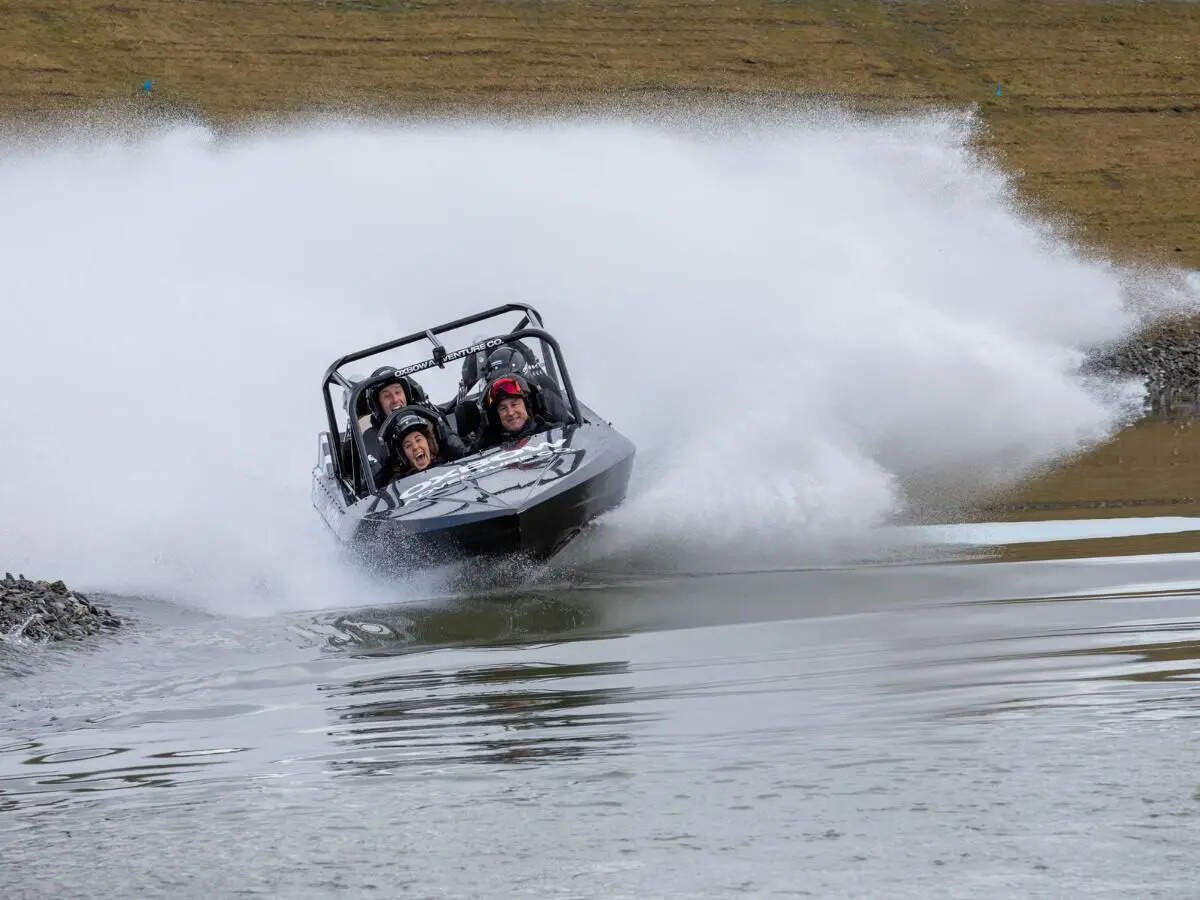
Several destinations have already become well-known hubs for adventure tourism. Rishikesh attracts travellers for white-water rafting and bungee jumping, while Bir Billing has earned international recognition among paragliding enthusiasts. Ladakh appeals to travellers seeking rugged mountain roads, high-altitude landscapes, and motorcycle expeditions. Meanwhile, Goa continues to evolve beyond beach holidays with a growing focus on scuba diving, jet skiing, parasailing, and other water sports.Beyond tourism numbers, adventure travel also brings wider economic advantages. It helps distribute tourism activity beyond major urban centres, supports local businesses, creates employment opportunities in guiding and hospitality, and encourages repeat visits during different seasons.The Real Value Behind Adventure Tourism

At its core, the rise of adventure tourism reveals a deeper shift in consumer behaviour. Travellers increasingly value participation over passive observation. They no longer want to simply see destinations from a distance — they want to actively engage with them.That distinction matters. Watching something can certainly be enjoyable, but doing something often becomes unforgettable. When effort, uncertainty, courage, and reward combine within a single experience, the emotional impact becomes far stronger.Adventure tourism is therefore not growing merely because people are seeking excitement. It is growing because travellers want their limited time away from routine to feel meaningful and fully lived. In a world dominated by screens, schedules, and repetition, adventure offers something increasingly rare — the feeling of being completely present in the moment.

