
Last Updated:
Is the flexitarian diet good for gut health? Gastroenterologists explain how plant-forward eating with flexibility may improve digestion and support a healthy microbiome.




A flexitarian diet can serve as a sustainable, gut-friendly way of eating if adhered to mindfully.
In the ever-evolving world of diet trends, few approaches promise both flexibility and health benefits. The flexitarian diet – a mostly plant-based way of eating that allows occasional animal products – has gained global attention for its balanced philosophy. Unlike restrictive diets that demand the complete elimination of certain food groups, this approach focuses on adding more plant foods while keeping meals practical and sustainable.
As digestive health becomes a growing concern for many people, gastroenterologists say the flexitarian diet may offer genuine benefits when practised correctly. But like any dietary approach, the impact on gut health depends on how the diet is followed and the quality of foods included.
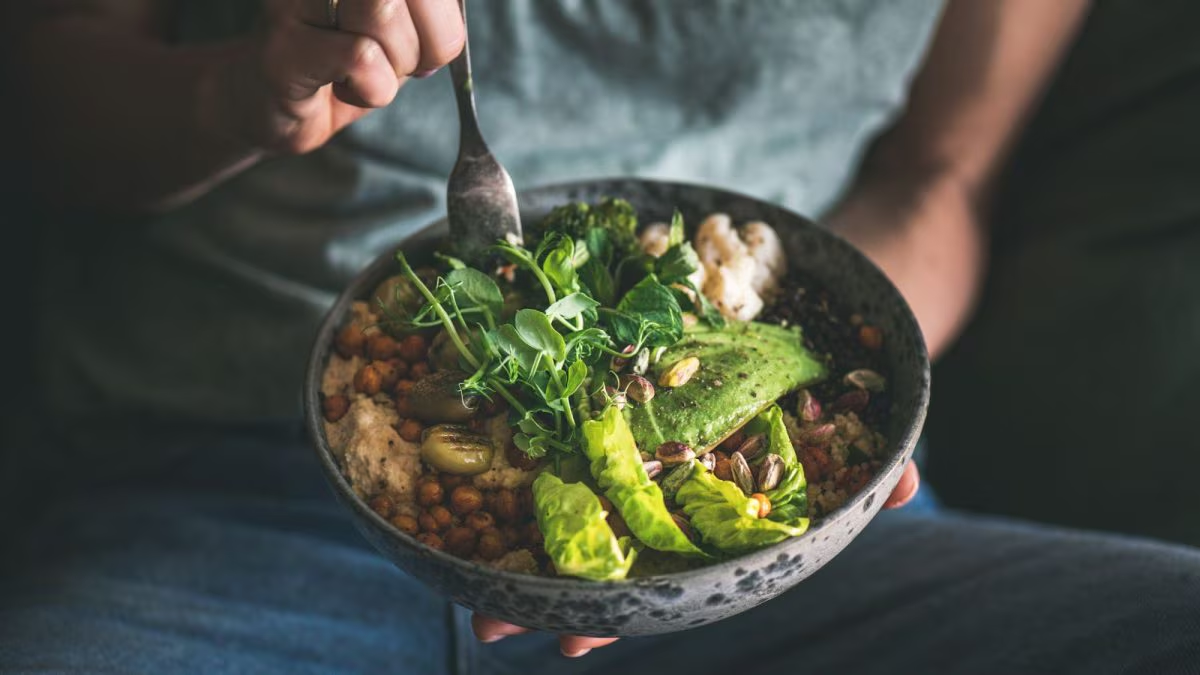
According to Dr. Dattatray Solanke, Consultant Gastroenterologist at Kokilaben Dhirubhai Ambani Hospital, Mumbai, the diet’s plant-forward focus is particularly beneficial for digestive wellness. “The flexitarian diet focuses on vegetables, fruits, whole grains, legumes, nuts and seeds, while allowing moderate amounts of animal products such as fish, eggs, dairy and occasional lean meat. This dietary pattern can support digestive health when followed with the right food choices,” he explains.
Why Fibre Plays A Key Role In Gut Health
One of the biggest advantages of a flexitarian diet is its naturally higher intake of dietary fibre. Fibre supports the digestive system by regulating bowel movements and nourishing beneficial gut bacteria.
Dr Solanke notes that these microorganisms play an essential role in maintaining a healthy digestive environment. “A well-balanced gut microbiome contributes to smoother digestion, improved nutrient absorption and reduced inflammation in the gastrointestinal tract,” he says.
Similarly, Dr. Manoj Bharucha, Gastroenterologist and Bariatric Surgeon at P. D. Hinduja Hospital and Medical Research Centre, Mumbai, emphasises that plant-rich diets provide essential nutrients for the trillions of microbes living in the gut. “Dietary fibre feeds the microorganisms that inhabit our gut. These microbes break down fibre and produce short-chain fatty acids that help reduce intestinal inflammation and support the integrity of the intestinal lining,” he explains.
Over time, this process can lead to noticeable improvements in digestive comfort. According to Dr Bharucha, patients who gradually transition toward plant-forward eating often report reduced bloating and better bowel regularity.
Flexibility Makes The Diet Easier To Sustain
Unlike strictly vegan or vegetarian diets, the flexitarian approach allows small amounts of animal-based foods. This balance makes it easier for many people to maintain over the long term.
Dr Solanke explains that including occasional fish, eggs or lean meat can help meet important nutritional needs. “These foods provide essential nutrients such as vitamin B12, iron and high-quality protein,” he says.
Dr Bharucha adds that flexibility also helps people maintain consistency in their daily routines. “Many patients lead busy lives and travel frequently. Having flexibility with meal choices allows individuals to remain consistent with their eating habits,” he notes.
Food Quality Still Matters
While the flexitarian diet emphasises plant-based eating, experts warn that not all plant foods are equally beneficial for gut health. Highly processed meat substitutes or refined carbohydrates can still disrupt the balance of gut bacteria. Dr Solanke stresses that replacing meat with sugary or heavily processed alternatives may negatively affect digestion.
Dr Bharucha echoes this view, recommending a focus on minimally processed foods. Legumes, lentils, tofu, tempeh and a wide range of vegetables and grains help support both digestive health and overall nutrition. Fermented foods such as yoghurt can also play a valuable role by supporting beneficial gut bacteria.
As interest in gut health continues to grow, the flexitarian diet offers a balanced alternative to extreme eating patterns. By prioritising fibre-rich plant foods while allowing moderate animal products, it provides both nutritional diversity and long-term sustainability.
Delhi, India, India
March 14, 2026, 10:42 IST
