

Want to bookmark your favourite articles and stories to read or reference later? Start your Independent Membership today.
Already a member?
Log in
When we read pet food labels and look at the ingredients, our eyes naturally dart to the usual information. From protein percentages and essential vitamins to provenance, we are used to searching for the same established stats. But we do not always consider where these ingredients come from.
This is despite the fact that many key pet food ingredients like grains and vegetable proteins begin life on a farm.
Soil is a vital foundation of our global food system. Following the post-war era where farmers were asked to shift toward intensive production to secure food supplies, modern agriculture is now evolving – moving from maximum short-term yield toward restoring and nurturing soil as a living, dynamic ecosystem for the future. According to data from the United Nations Convention to Combat Desertification (UNCCD), the world loses roughly 24 billion tonnes of fertile topsoil every year to erosion and degradation.
For an industry reliant on agricultural outputs – with global pet food production relying on many quality farm ingredients – soil health degradation represents a fundamental challenge. True long-term security for pet nutrition cannot exist if the ecosystems producing those ingredients are systematically deteriorating.
The Shift to living soil
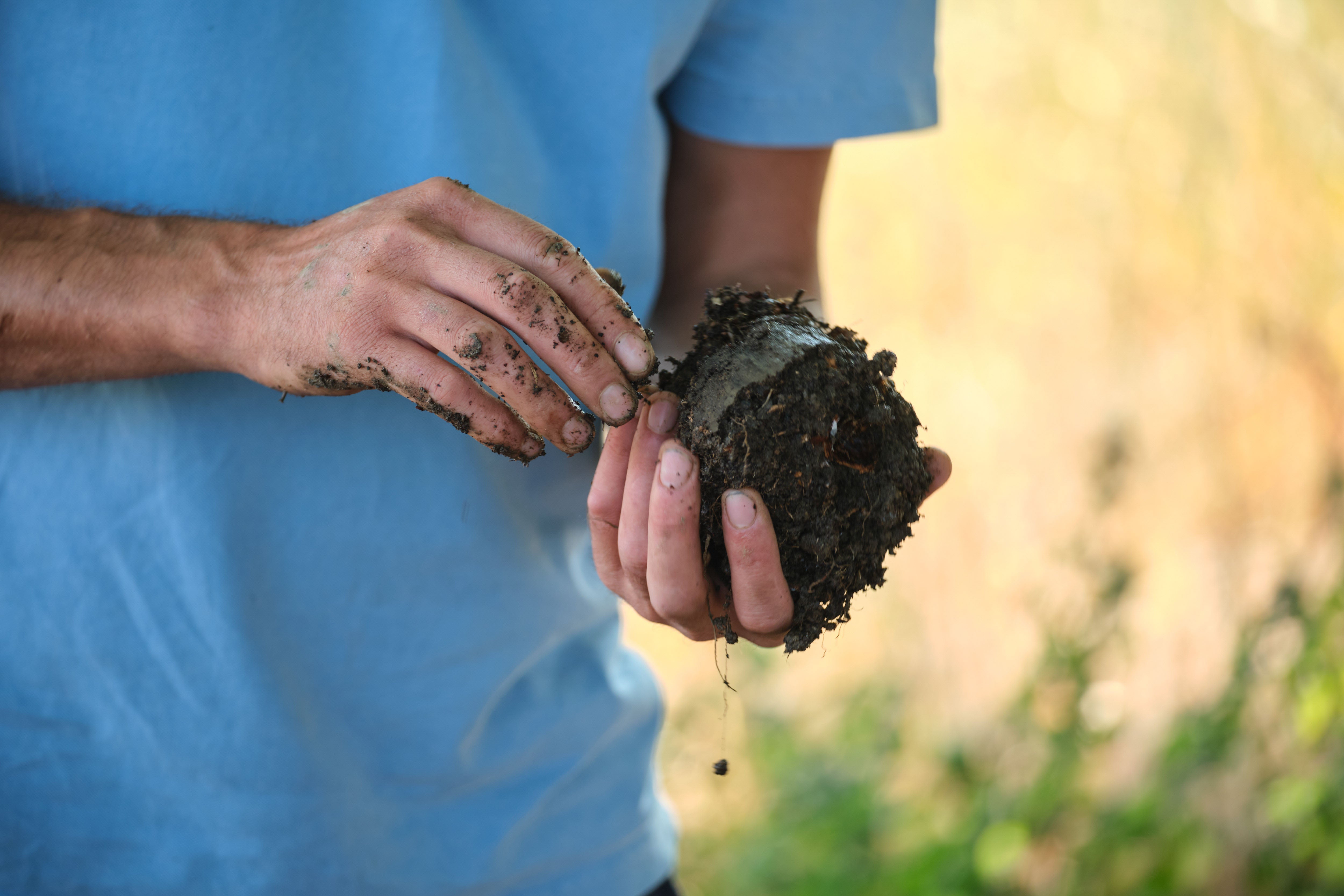
This reality is driving a profound shift across the food industry and pet food is no exception. Soil health is rapidly moving from an environmental concern to a supply chain priority adopted by major manufacturers. The sustainability agenda has evolved beyond packaging recyclability and target setting; forward-thinking brands now view direct corporate investment in improving soil health as an essential step to help safeguard the future of a more sustainable food production.
To understand why soil health has climbed up the agenda, we have to look beneath the surface. Healthy living soil is a complex biological tapestry teeming with earthworms, fungi, and beneficial bacteria. When this biological matrix is healthy, it acts as a natural sponge, locking in greater quantities of water to help protect crops against volatile drought cycles. It binds carbon directly into the earth and can help the transfer of micronutrients to growing crops.
Supporting financial risk on the farm
Transitioning a complex agricultural system to a soil-conscious methodology requires investment that individual farmers cannot shoulder alone. This vulnerability was brought into sharp focus following an extraordinarily dry summer and difficult 2026 harvest, where UK wheat yields fell to historically low levels and individual growers reported yields up to 30 per cent below expectations.
This systemic threat is where the traditional framework of corporate responsibility is being redrawn. Industry leaders are stepping up to help support the financial and technical risks of transitioning to regenerative farming practices.
Through its Regenerative Agriculture Partnerships, Purina is turning an environmental commitment into a supply chain imperative. By making regenerative farming one of its flagship sustainability initiatives, the brand reached an early milestone by sourcing 29 per cent of its total cereals and vegetable proteins across Europe from farmers using verified regenerative agriculture practices by the end of 2025 (vs a target of 20%). This regional effort encompasses over 630 farmers and 37,000 hectares of farmland in Europe.
With a goal to reach 50 per cent by 2030, Purina is embedding the focus on improving soil health directly into its long-term ingredient sourcing strategy.
Connecting investment directly to the land
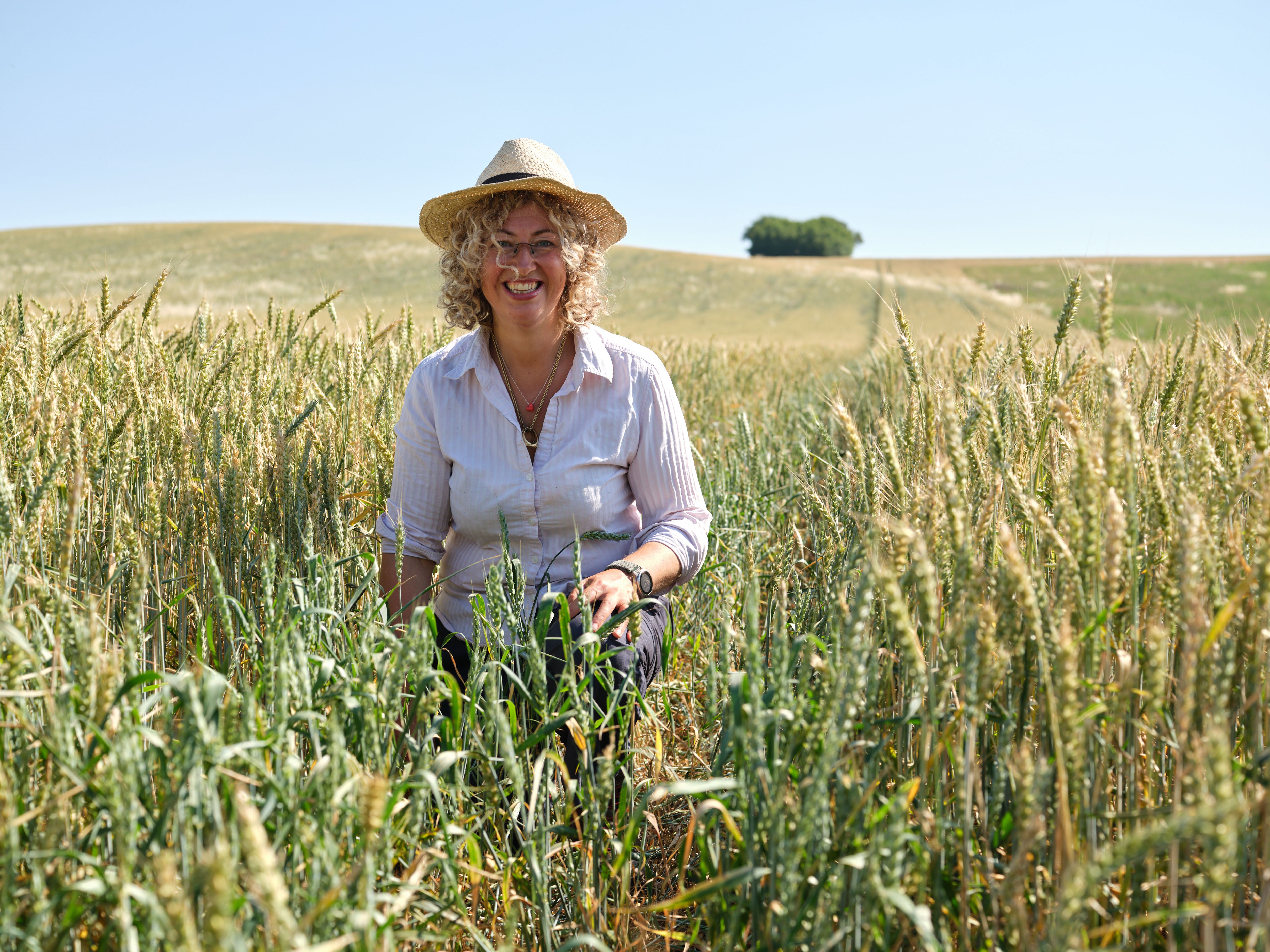
A driving force of this transition in the UK is the Landscape Enterprise Networks (LENs). LENs bring together businesses and organisations with a shared interest in restoring natural landscapes. Through their partnership with LENs, Purina supports 110 UK wheat farmers, positively impacting 8,000 hectares of British agricultural land.
This framework arrives at a pivotal moment. According to recent survey data commissioned by Purina, 87 per cent of UK farmers are now significantly more open to adapting their practices to improve soil resilience against extreme weather events than they were five years ago. Through the LENs model, producers receive the technical and financial support needed to implement practical regenerative measures.
Growers are planting cover crops to keep living roots in the ground year-round, protecting terrain from winter erosion. They are practicing reduced tillage to minimise soil disruption to preserve delicate biological networks.
By funding these tangible, on-farm interventions, Purina’s partnership with LENs aims to build a more resilient agricultural system to help insulate the British wheat farmers involved against climate shocks.
Ultimately, recognising soil as a vital element changes the relationship between consumer choices and environmental impact. For the food industry, securing stronger ingredient supply chains could in part come down to whether a brand actively invests capital into protecting the living earth that feeds us all (including our beloved pets). By prioritising soil-conscious agriculture, Purina is demonstrating that to continue providing quality nutrition for pets today and in the future, we must first support the biological engines beneath our feet.
Find out more about Purina’s Commitments to pets, people and the communities they operate in: Purina in Society – Our Commitments To You | Purina


