
Want to bookmark your favourite articles and stories to read or reference later? Start your Independent Membership today.
Already a member?
Log in
Think about your average day. You wake up, you check the weather, you know how to get dressed, without touching grass. You go to the supermarket; you buy out-of-season goods that were flown over in a day from warmer climates. At our thumbs, our phones make us God: omnipresent, all-powerful, in charge of what we want, what we like, what happens next. All this goes to say, as the world faces increasing uncertainty – power blackouts, food shortages, flooding or wildfires – we are totally unprepared to cope.
“Even the merest uncertainty, like not getting our morning coffee the way that we like it, can send us into a psychological tailspin,” says Dr Anna Lembke, a professor of psychiatry at Stanford University and author of the 2021 bestseller Dopamine Nation and the new Radical Surrender: Letting Go in a World Addicted to Control. “We experience a profound narcissistic injury when we don’t get our own way,” she adds. “That’s a term people throw out to others a lot, but we need to look at ourselves.”
It took a significant tragedy for Dr Lembke to reckon with her own need for control. In her twenties, Lembke lost her first child, Lucas, after he was born with a rare form of leukaemia. She didn’t hold him as he died, as a way to deny the grief and control the loss. “Because of me, he died alone,” she writes. “I will carry that regret for the rest of my days.”
In her grief, Lembke tried everything from endlessly researching the exact cause of her child’s death, to codependent therapy sessions, and having another baby to minimise her feelings of uncertainty. She was pregnant again within weeks; this time with twins, who died in utero in the second trimester. She entered into an isolated period of despair, before one night falling to her knees next to Lucas’s empty crib. Lembke had exhausted all of the options she had tried to control her life, her feelings, and what would happen next. So, instead, she tried simply surrendering to fate. “I could relax into being,” she says.
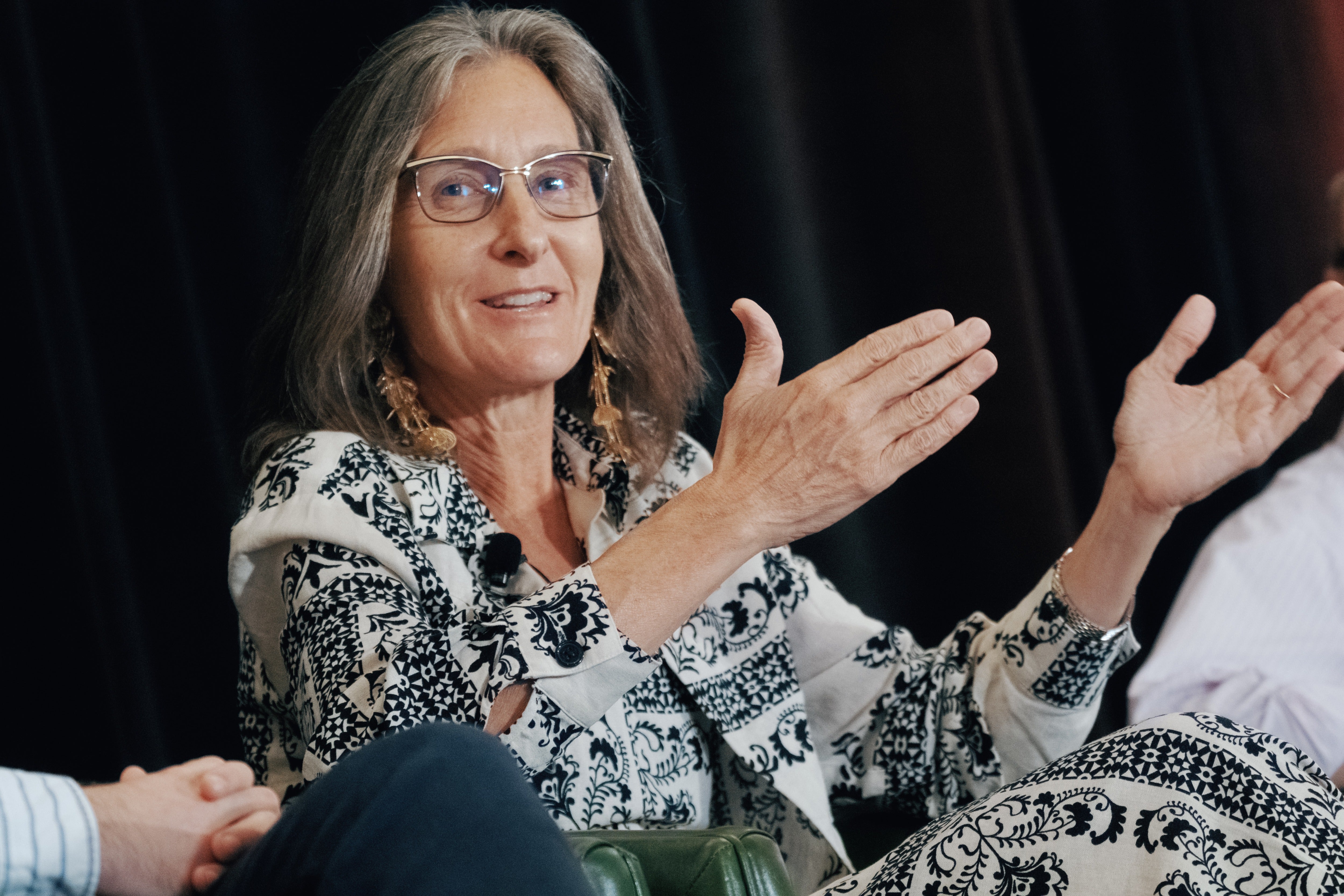
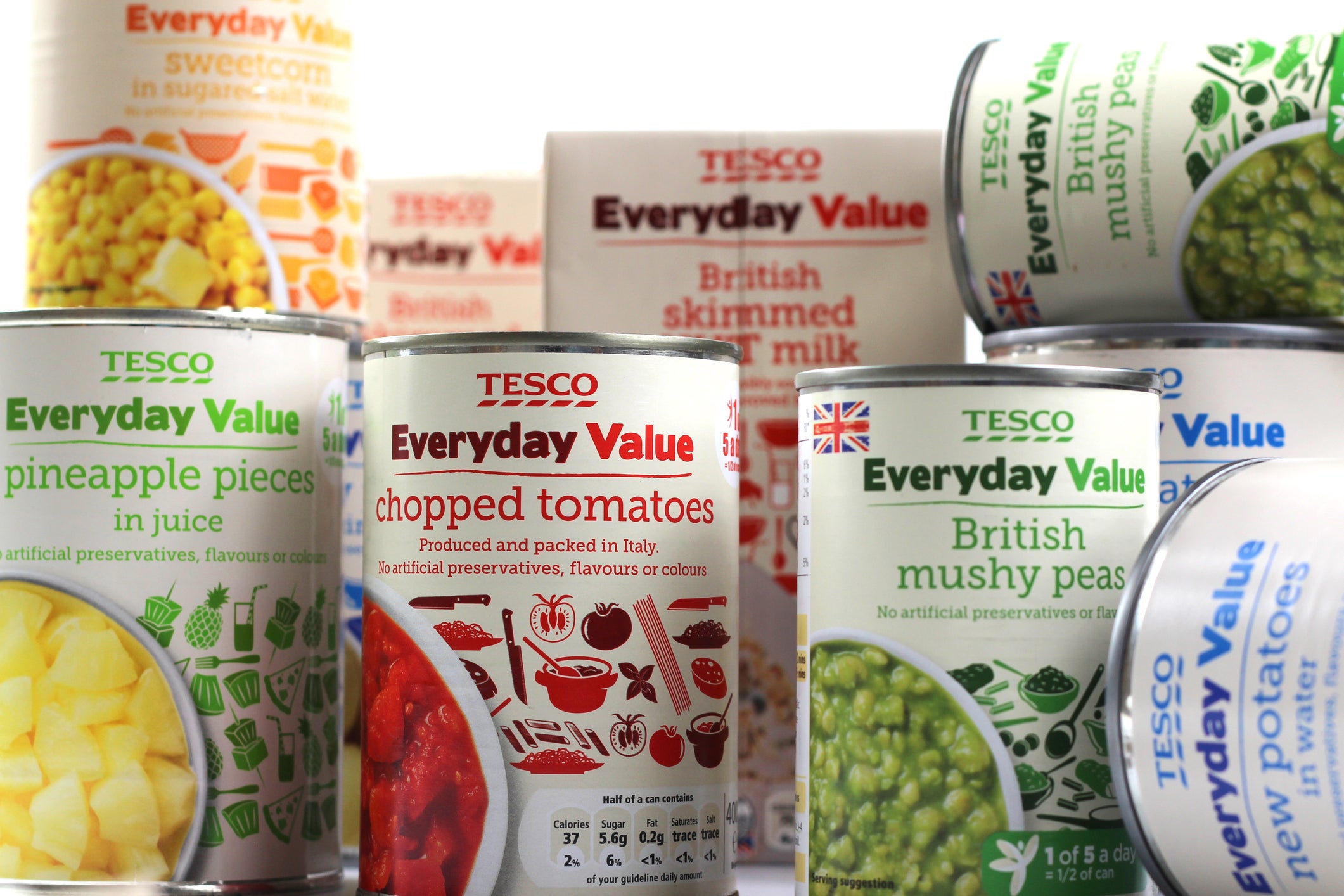
Lembke breaks these phases down into crisis, defence, despair, and surrender, before serenity and transformation can take place. A more collective example of how this can take place is the recent bout of stockpiling in Britain. Shoppers are exerting their will to get their way (products) on advice of the government, despite there being no actual shortage of food. By doing so, they have created shortages of everything from multipacks of large bottles of water and long-life milk to some tinned goods; however, at least we may have learnt a little about “preparedness” from past mistakes. In 2020, at the dawn of the pandemic, people rushed out to buy toilet roll – and the ensuing shortage became part of the added panic. “People get in this survival mode, which is out of sync with what’s happening,” Lembke says.
Another version of this disconnection from reality might be somebody doomscrolling through videos about the climate crisis on their phone, while walking right past litter they could help pick up.
“There’s so much we can do on a smaller day-to-day scale that we just pass by while we’re cogitating about how we can fix the world in some unknown future,” Lembke says. “Surrendered life is not a passive life. If anything, it’s a call to moral action that forces us to discern what we can have a positive impact on and to let go of the things that we can’t control.”
Go outside, have spontaneous interactions, mess up, recalibrate, repair the damage, try to live a moral life, and connect with our bodies
Dr Anna Lembke
So, what is Lembke’s alternative to white-knuckling through the day? Well, having faith that if you’re suffering, there’s a purpose not yet known; Enjoying the awe and synchronicity of the world, without looking for meaning; Doing the next right thing in your path, rather than trying to entirely change the world; Letting people have their own thoughts, feelings, and experiences, without forcing or altering it; and taking time, space and silence to sit with discomfort and distress, without the need for a solution.
While this might all sound a bit woo-woo and close to the “let them” theory, and “just trust in the universe, man”, it’s a path that has been extensively backed by science. Studies have found that relinquishing control promotes better close relationships and psychological wellbeing and lessens the experience of depression and anxiety. It can even make us more successful, as people who can tolerate vulnerability and trust intuition have been found to perform better.
“I was always strategising for how to get ahead in my career and not recognising the important things that were right in front of me,” Lembke reflects on her own approach to work. “This pivot opened my eyes to see that nobody wanted to treat a lot of patients with addiction, so I started to do that. It was only then, when I responded to this glaring need, that my career blossomed, and I wasn’t aiming for that.”
Like most things worth doing, radical surrender takes practice and could, initially, feel quite uncomfortable. But it’s a muscle worth flexing as economic insecurity, power shortages, extreme weather, wars and cyber attacks are set to continue, if not worsen. Rather than just prepare for jeopardy, we need to get more comfortable with experiencing it, in order to avoid unravelling into despair when things do eventually go wrong.
Britain has known decline before. In the 1970s and early 1980s, economic breakdown was loudly acknowledged, strikes brought cities to a standstill, and power cuts plunged homes into darkness. Nobody had an alternative reality available on a handheld screen; there was only time to sit in the quiet and reflect on the situation at hand. For escapism, there was the seaside, community spaces, records and maybe the theatre.
“What we see in clinical care is that people often report symptoms of derealisation or depersonalisation: That the world isn’t real or they’re not real. What I’m advocating for is a re-tethering: Go outside, have spontaneous interactions, mess up, recalibrate, repair the damage, try to live a moral life, connect with our bodies: Engage in the messiness of human connection.” As social media likes to say: touch grass.
“What’s really missing today so profoundly is distress tolerance,” Lembke concludes. “But to develop distress tolerance you need to tolerate distress. So, the idea of Radical Surrender is really an invitation to not try to run away from or control those distressing experiences, but to actually show up for them and see them as a powerful and valuable source of higher wisdom, which we wouldn’t have without our suffering.”
‘Radical Surrender’ by Dr Anna Lembke is out on 10th November


