

Old age is a dreadful stage, with tiredness, pain and diseases always around the corner. One such uninvited guest is Alzheimer’s disease. But there’s something interesting that scientists have noticed in people with Alzheimer’s. Some people, even though they show clear signs of Alzheimer’s, never develop dementia. While others experience worsening memory and thinking problems, these individuals remain mentally sharp despite signs of the disease in their brains.Scientists have long struggled to understand this phenomenon. Now, we might have a clue. Researchers at the Netherlands Institute for Neuroscience have uncovered a promising lead. Their findings suggest that a rare group of brain cells, known as immature neurons, may behave differently in people who resist Alzheimer’s symptoms. So, rather than simply replacing damaged cells, these neurons could help protect the brain from the harmful effects of the disease.This phenomenon is known as cognitive resilience. It describes how some people maintain their memory and thinking abilities even when their brains show signs of damage.Evgenia Salta, senior author of the research, said, “Around 30 per cent of older adults who develop Alzheimer’s disease never experience its symptoms. We really don’t know why. That’s a big mystery, and a very important one.”Uncovering the reasons may help doctors and scientists develop a cure for the disease or find ways to help the brain remain healthy and functional.
What Scientists Found In The Brains Of Resilient People
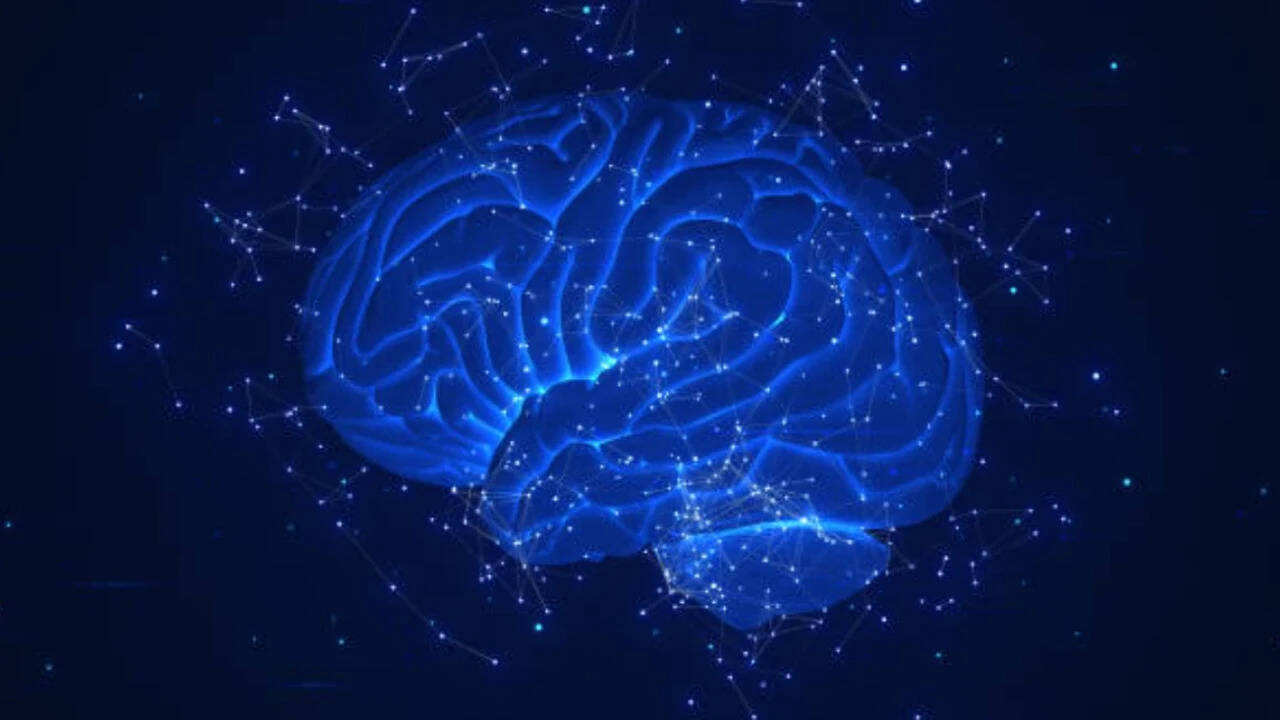
people stay mentally sharp even when their brains show clear signs of Alzheimer’s disease
To understand how some people remain mentally sharp despite signs of Alzheimer’s disease, researchers at the Netherlands Institute for Neuroscience examined donated brain tissue from three groups of people. These groups included people without detectable brain abnormalities, those who developed Alzheimer’s-related dementia, and those whose brains showed clear signs of Alzheimer’s but who remained cognitively healthy.The scientists focused on a small region of the hippocampus, a part of the brain that plays an important role in learning and memory. They were particularly interested in immature neurons. The scientists wanted to understand whether the human brain continues to produce new neurons in adulthood, making these cells especially interesting to researchers.Surprisingly, the researchers found immature neurons in all three groups, including people whose average age was over 80. However, the biggest difference was not the number of these cells in each brain. Instead, the researchers found that the cells behaved differently in people who remained mentally sharp despite having Alzheimer’s-related brain changes.This suggested that the secret to cognitive resilience may lie not simply in having more immature neurons, but in how these cells respond to the damage associated with the disease.
How Immature Neurons May Help Protect The Brain
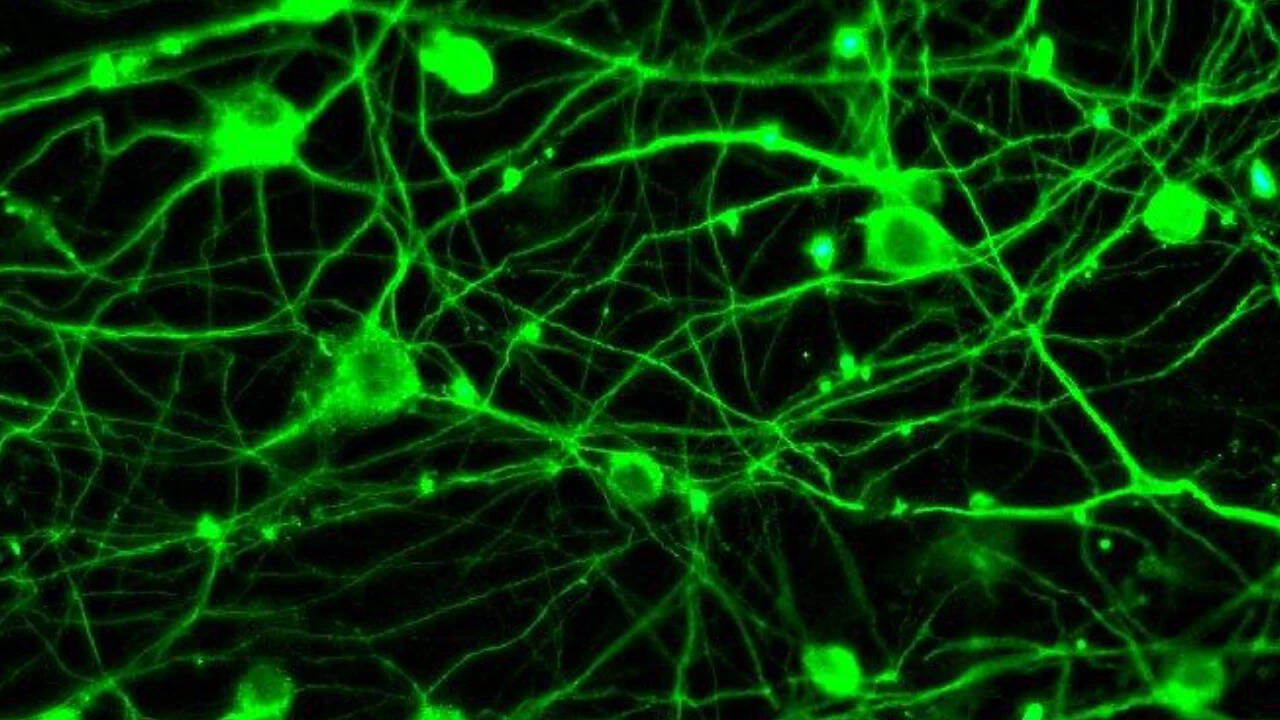
people stay mentally sharp even when their brains show clear signs of Alzheimer’s disease
Initially, the researchers expected that people who remained mentally sharp despite signs of Alzheimer’s disease would have a greater number of immature neurons. The thinking was that these cells might help replace the neurons damaged by the disease. However, the findings were more surprising than expected, as the difference in their numbers was much smaller than the researchers had anticipated.Instead, the team found differences in how these cells behaved. In people who remained cognitively healthy, immature neurons showed activity associated with cell survival and the ability to cope with damage. They also showed lower signals related to inflammation and cell death. Although inflammation is the body’s natural defence mechanism, when it persists in the brain, it can contribute to damage and interfere with normal brain function. Similarly, the loss of neurons can disrupt the networks responsible for memory, learning and thinking.The researchers believe that immature neurons may do more than simply replace damaged brain cells. They could also help support the surrounding brain tissue, allowing it to remain functional despite the damage associated with Alzheimer’s disease. However, the study does not establish whether these cells directly protect the brain or whether their activity is a result of other protective mechanisms.
Could This Discovery Change Future Alzheimer’s Research?
Although the findings suggest that these cells may have a protective role, the conclusions are based on patterns observed in brain tissue rather than direct experiments demonstrating these functions.“We assume the cells’ function based on the data, but we cannot confirm it in this type of study,” Salta explains.This distinction is important because the research has attracted considerable public attention, sometimes leading to claims that go beyond what scientists have demonstrated. As reported by News Medical, the Netherlands Institute of Neuroscience (KNAW) has cautioned against drawing conclusions that the evidence does not yet support. The presence of immature neurons does not establish that new neurons are continuously being produced in older humans, nor does it prove that these cells are responsible for preventing dementia. Rather, it raises the question of why some people remain cognitively active as they age while others experience cognitive decline.To explore this further, the researchers plan to investigate how immature neurons communicate and interact with neighbouring brain cells. Traditionally, much of the field has focused on understanding the processes that damage the brain, including the loss of neurons. Researchers are now also asking why some brains remain functional despite these changes. By identifying the mechanisms behind this natural resilience, scientists hope to uncover new ways to preserve memory and cognitive abilities as people age.


