Want to bookmark your favourite articles and stories to read or reference later? Start your Independent Membership today.
Already a member?
Log in
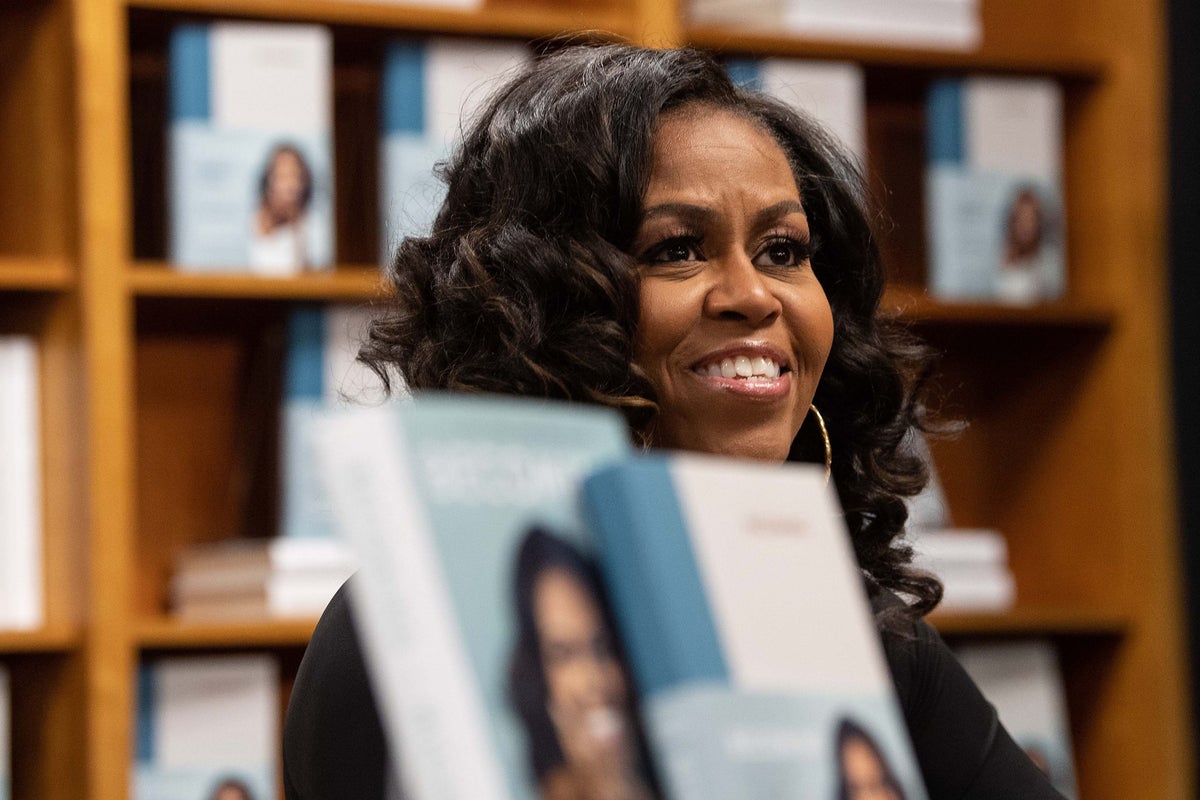
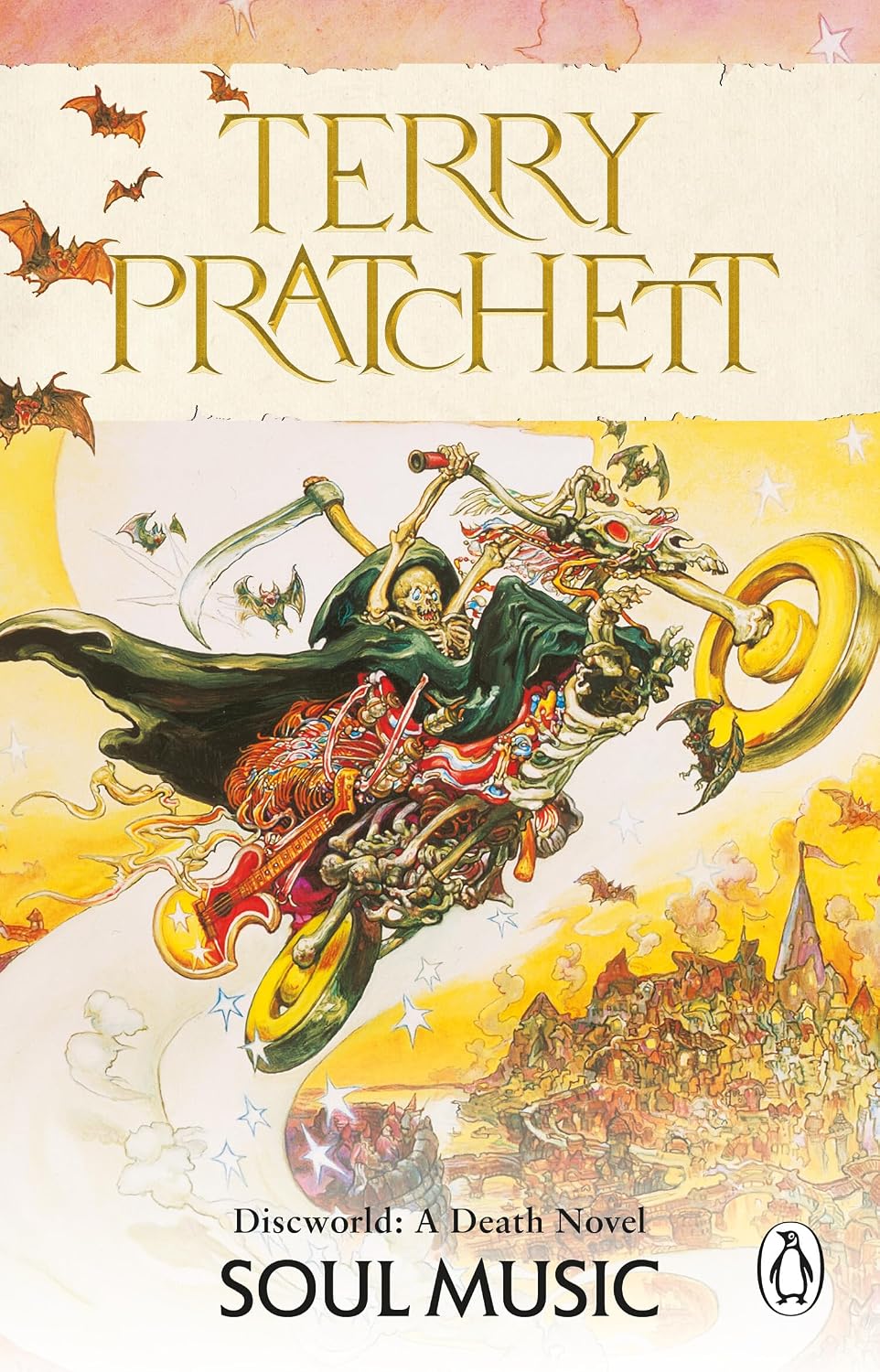
In the last year alone, hundreds of books in the UK have been pulled off shelves in censorship attempts. These include Becoming by Michelle Obama, Twilight by Stephenie Meyer and Soul Music by Terry Pratchett.
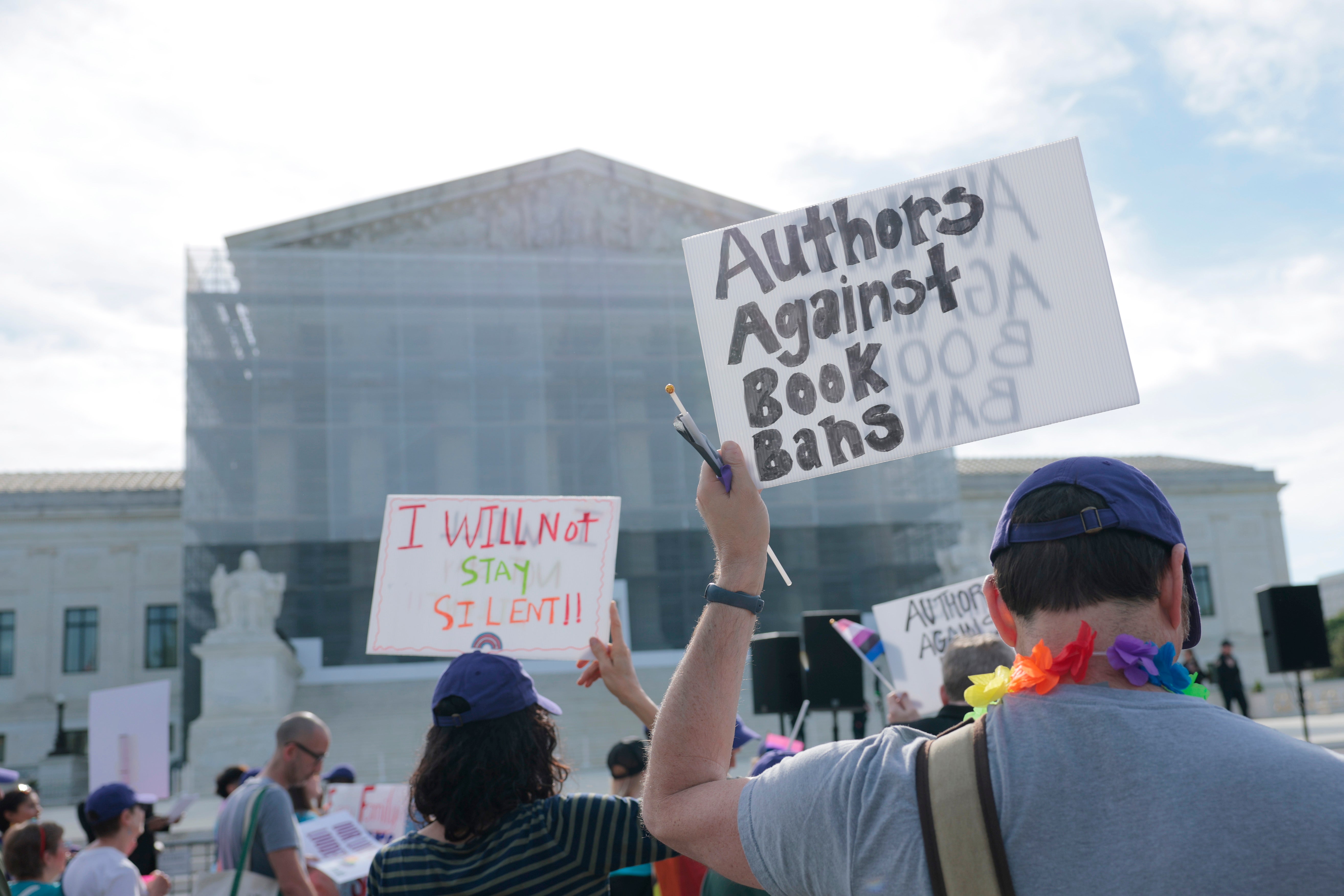
This week is Banned Books Week, an event that celebrates the right to read freely. In recent years, the spotlight has largely been on censorship in the USA, where book banning has ramped up so significantly that a record 7,370 unique titles were challenged in the 2025-26 school year, according to PEN America, and where librarians even face threats of violence.
But what is talked less about is book censorship in the UK. At Lowry Academy in Salford, Greater Manchester, more than 130 books were targeted and nearly 200 counted when graphic-novel issues were included. Meanwhile, libraries in some Reform-led councils were instructed to remove Pride displays. And authors have spoken of having their school visits cancelled.
Banned Books Week was re-launched in the UK in 2025 after a hiatus, and has been led by freedom of expression organisation Index on Censorship, along with a coalition of organisations which champion the right to read freely. Its return comes after increasing concerns about book censorship in this country, and the reports have trickled in steadily ever since.
Back in 2024, I led an investigation with Index on Censorship into the state of censorship in UK school libraries, which the Independent co-published. Before the investigation, many people told me I wouldn’t find much – there were one or two cases which had been in the media, but otherwise there was nothing to see. And yet the results revealed something very different.
Of the school librarians I surveyed, more than half said they had been asked to remove books from their collections. And of those, 56 per cent had been forced to actually remove the books in question. A large proportion of the targeted books had LGBTQ+ themes. Beyond specific removal requests, many librarians told me they had self-censored, meaning that they had been too scared to buy certain books in case it put their job on the line.
That was two years ago, and the situation has ramped up since. Earlier in 2026, a school librarian (who I named Emily to protect her identity) told me how 200 books had been pulled from the shelves of her library after a headteacher took umbrage to Men Who Hate Women by Laura Bates being stocked for older readers. Emily had ordered the nonfiction book after training which warned of the rise of misogyny in schools.
The school leaders instigated an audit of the library, targeting any books not written for children, with themes that they deemed could be upsetting to children or that they believed could be inappropriate or constitute a safeguarding risk. They also launched an investigation into Emily. The result was the removal of some books written specifically for young people, as well as titles including a graphic novel of George Orwell’s Nineteen-Eighty-Four and Michelle Obama’s Becoming.
Soon afterwards, Emily *lost her job and was herself labelled as a safeguarding risk by the local authority – for doing her job. I saw reams of evidence, including an admission from the school that they had used AI to justify the removal of books on their list. Neither the school nor the United Learning Trust would engage with me, and they later said they had reinstated some books, but would not tell me which ones.
While this case was extreme, queer authors are reporting that their events in schools are being cancelled, that children are being pulled out of their talks, or that they’re being asked not to mention anything related to LGBTQ+ issues.
Then this spring, public libraries got a taste of censorship too. After a false start in 2025, when Reform councillors in Kent claimed they had removed all books with transgender themes from children’s sections (which was not true), a number of Reform-led councils in England put their book-banning hats on again this summer.
June was Pride Month, a time for celebrating the LGBTQ+ community. Yet Essex County Council’s Reform UK leaders said libraries should be “neutral spaces” and instructed staff to pause the promotion of events that were not specific to library activities. Later, council leader Peter Harris said some of the books and materials he had seen on Pride displays were “inappropriate”.
Staffordshire County Council, which is Reform-led, said in June that its libraries would not feature LGBTQ+ Pride displays and described this as a “consistent approach” across its libraries. The council said displays would focus on the “core library offer, local services, reading and learning”.
In Warwickshire, Reform UK council leader George Finch went further, saying he would develop a policy to “strengthen neutrality” in libraries. He said council libraries should be “politically neutral” and “family-friendly”, and should not “embolden political ideologies”.
In response, Warwickshire Pride wrote: “Libraries exist to provide access to knowledge, information, literature, and diverse perspectives. The suggestion that books or resources acknowledging LGBTQ+ people somehow undermine neutrality is both misleading and dangerous. Representation is not indoctrination. Inclusion is not political campaigning.”
No books were actually removed from UK public libraries during Pride month, but the restriction on displays and promotion sends an alarming message – that these books should only exist in secret. And by extension, so should the very people represented within the pages. Some of these councils are now undertaking reviews about library display spaces.
We are now entering October, which is Black History Month. According to these councils’ own rules, displays themed around this event could be at risk too. Councillor George Finch told LBC in an interview that he doesn’t believe Black History Month should be celebrated, suggesting “history is history” and that “bad things happen”, adding that he doesn’t just watch Nelson Mandela films in Black History Month. It will be interesting to see whether his position on themed book displays changes when it comes to Remembrance Sunday and celebrations on the Christian calendar.
Unlike in the USA, where pressure groups like Moms for Liberty and government officials spearhead campaigns to ban particular titles, there is no evidence to suggest that organised groups are pushing book censorship in the UK. Instead, most of the pressure is coming from individuals such as parents and headteachers, or in the case of public libraries from Reform councillors with particular beliefs about what should be promoted and what shouldn’t.
Bans often stem from one complaint. Last year in Dorset for example, a complaint from one parent led to the award-winning book The Hate U Give by Angie Thomas (a book written for young adults) being removed from the Year 10 reading list, with the parent arguing that the story contained sexualised content and expletives, and showed white people as “the baddies.” Following backlash from the parent community and a petition, the school said it would reinstate the book.
This story is very typical of the experiences I’ve heard from school librarians across the country. One person objects to a book, and it is swiftly removed – sometimes an entire section is boxed up and put out of sight. What happens is completely dependent on how supportive the school leadership team is, as there is no statutory policy for school libraries.
Celebrating the freedom to read is part of the fight back against book bans. This week, libraries, schools and bookshops across the country are putting in Banned Books Week displays, organising events and championing censored titles.
They are celebrating the idea that a diverse collection of books promotes inclusion and understanding, and encourages critical thinking. But there is a slow creep of book censorship in this country that we should all pay attention to.
Book bans have a long and uncomfortable history, from the Inquisition to authoritarian regimes. The most notorious example is Nazi Germany, where books deemed “un-German” were publicly burned in 1933. We’re a long way from that. But the drumbeat of history echoes, and to stop it getting louder, we can all be alert to the risk of censorship taking hold in our schools and libraries
For more information visitBanned Books Week UK, the UK campaign led by Index on Censorship.