
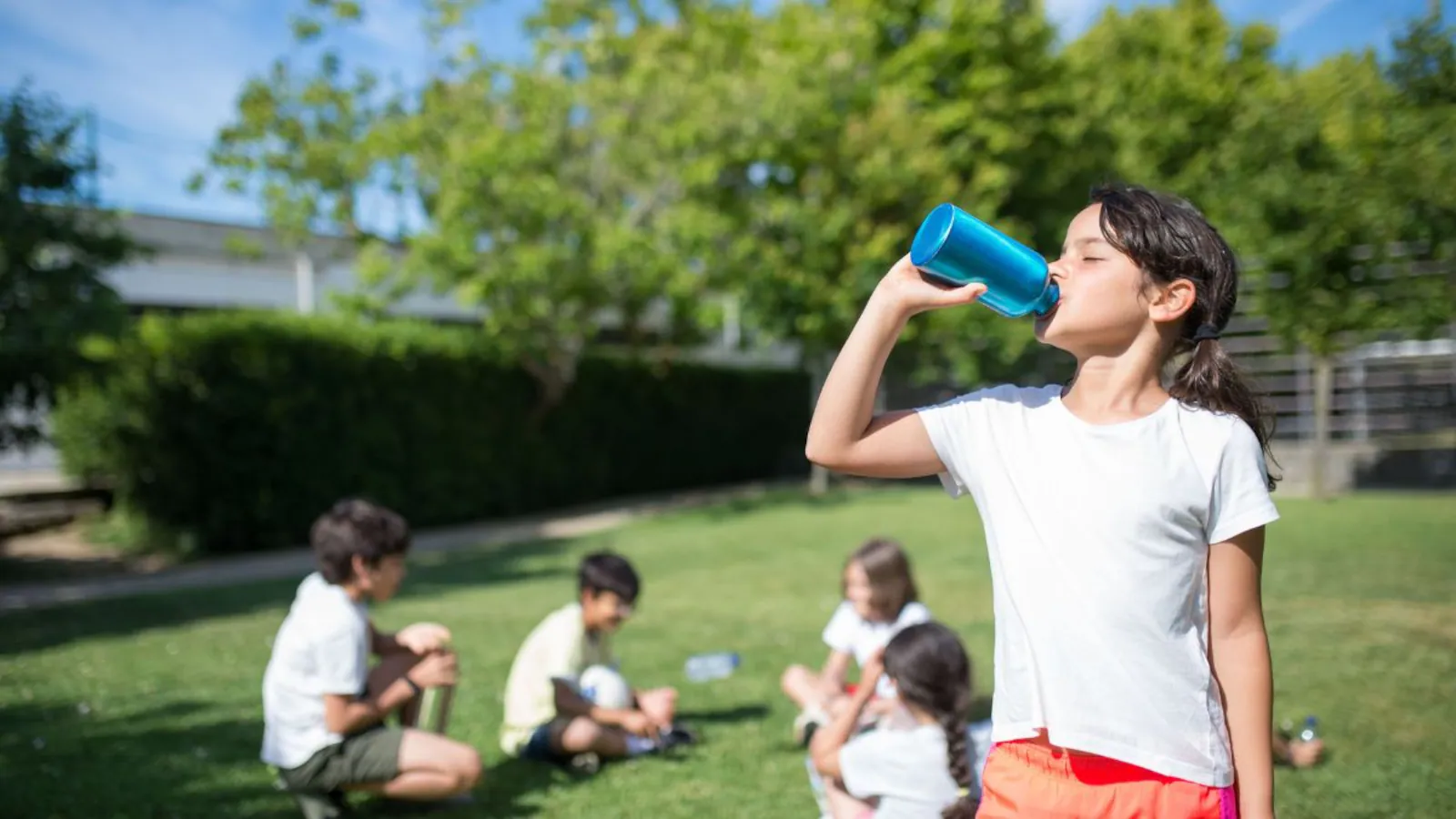
Summer holidays are here, bringing lots of indoor fun, travel, and hobbies to catch up on. But along with all the playtime, summer also brings sweaty afternoons, picky eating, tummy upsets, and children who seem to “live on air.” Many parents notice that kids eat less in hot weather. We all do, and this is completely normal. In summer, appetite often drops because the body works harder to stay cool. But hydration levels can also dip, as children lose more water through sweating, while hot weather can increase the risk of dehydration, food spoilage, and stomach infections. A few smart food habits can help children stay cool, energised, and healthy.
Hydration Comes First
Children may be too busy playing to remember they are thirsty. By the time they complain, they may already be mildly dehydrated. Keep fluids within arm’s reach at all times, don’t wait for them to ask. Plain water, coconut water, fresh homemade nimbu pani, and thin chaas for older children are great options. Water-rich fruits like watermelon, muskmelon, and oranges also make refreshing snacks and help replace fluids and natural minerals lost through sweat. During very hot days, offer something hydrating every 1-2 hours.
Don’t Fight Low Appetite – Work With It
We naturally prefer lighter meals in summer because they feel more appealing. Instead of forcing large meals, offer smaller, lighter meals more often. Simple curd rice, vegetable poha, soft khichdi, idli with curd, dalia porridge, paneer wraps, and fruit with yoghurt are light yet nourishing options. A child eating “less” may still be eating enough if the foods are nutrient-rich.
Curd Is A Summer Hero
Photo: Pexels
Homemade curd can be one of the best summer foods for children. It provides protein, calcium, fluids, and helpful bacteria that support gut health. This probiotic-rich food supports digestion and may help strengthen the gut’s natural defences. It is versatile and can be used in many interesting ways, from a simple accompaniment with lunch to fruit yoghurt bowls, cucumber-mint raita, or a dip with snacks. Cool, soothing, and child-friendly, curd is a summer essential.
Use Fruits As ‘Hydration Snacks’
Nature has ensured that summer fruits are water-rich and loaded with minerals, salts, and natural energy. They do double duty, offering both food and fluids. Watermelon, muskmelon, mangoes (in moderation), papaya, oranges, and pomegranate are all excellent choices. Replacing packaged snacks with fruits after playtime is a great health strategy.
Protect Against Summer Infections
Warm weather means food spoils quickly, especially dairy products, cut fruits left out for long periods, and cooked food that is not stored properly. Wash raw foods thoroughly and cut only the amount that will be consumed immediately. Refrigerate leftovers promptly. Children are more sensitive to food-borne infections, so make sure food is freshly cooked and stored correctly. Avoid cut fruits sold outside, and be cautious with street juices and ice.
Add Natural Cooling Foods
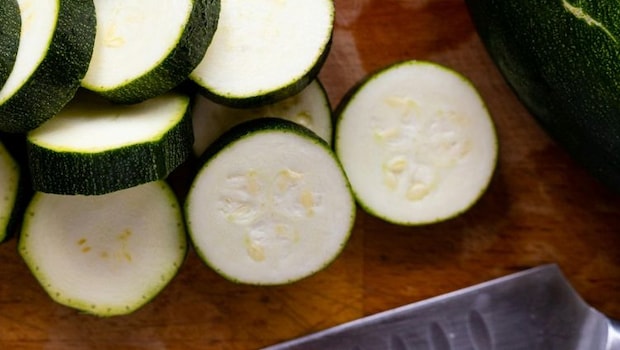
Photo: Pexels
Cooling vegetables like cucumber, bottle gourd (lauki), zucchini, spinach, and lettuce can help the body stay refreshed. Traditional summer foods and drinks often make perfect sense for the season. Tender coconut water, fennel water, soaked sabja seeds (basil seeds), aam panna, bael sherbet, and mint leaves are hydrating and cooling. According to Ayurveda, soaked raisins or fennel seeds consumed in the morning may help reduce body heat in children.
Don’t Overdo Fried And Sugary Foods
Cold drinks, ice creams, and fried snacks may be summer favourites, but too much can worsen poor appetite and tummy troubles. Enjoy them in moderation. Instead, try fruit popsicles or frozen yoghurt desserts. Healthy food can still feel fun.
Summer eating does not need to become a battle. Focus less on “How much did my child eat?” and more on whether they are drinking enough, eating fresh foods, and getting fruits, curd, and light meals. Often, that is more than enough. Sometimes, the best summer diet for kids looks wonderfully simple: cold curd rice, juicy watermelon, coconut water, and sticky mango hands. And honestly, that sounds like childhood done right.

