
South West Water Ltd has been handed a record fine of almost £2m for supplying water unfit for human consumption after a parasitic outbreak in Devon.
The company pleaded guilty to an offence under s70(1) of the Water Industry Act 1991 over the contamination of water by cryptosporidium, a parasite which causes sickness and diarrhoea.
Exeter Magistrates’ Court heard there were 537 probable or confirmed cases of cryptosporidiosis, with at least 10 people admitted to hospital.
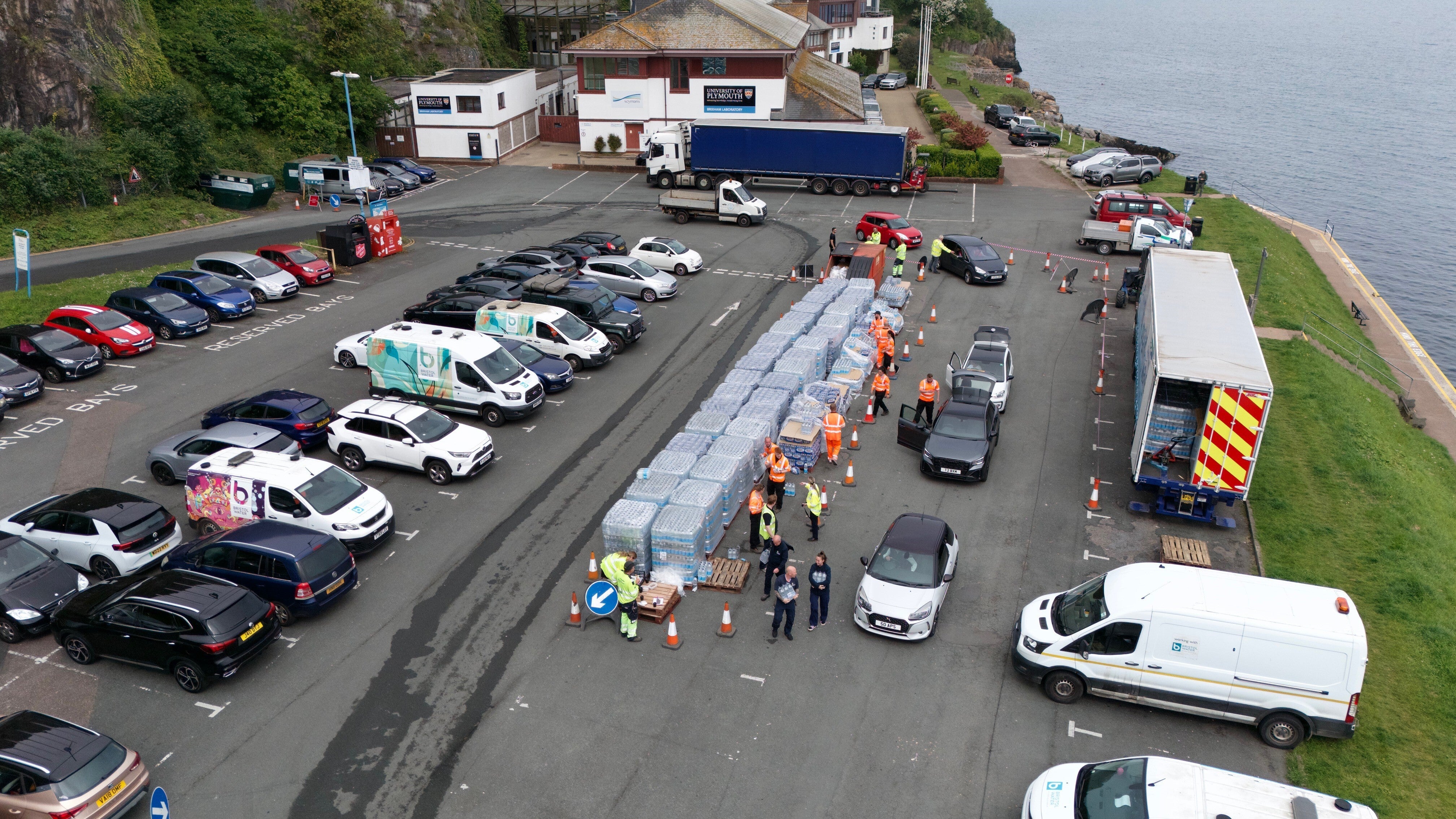
More than 16,000 homes in the area were issued with boil notices, where water must be boiled then cooled before being consumed, which were not lifted for some properties for 54 days.
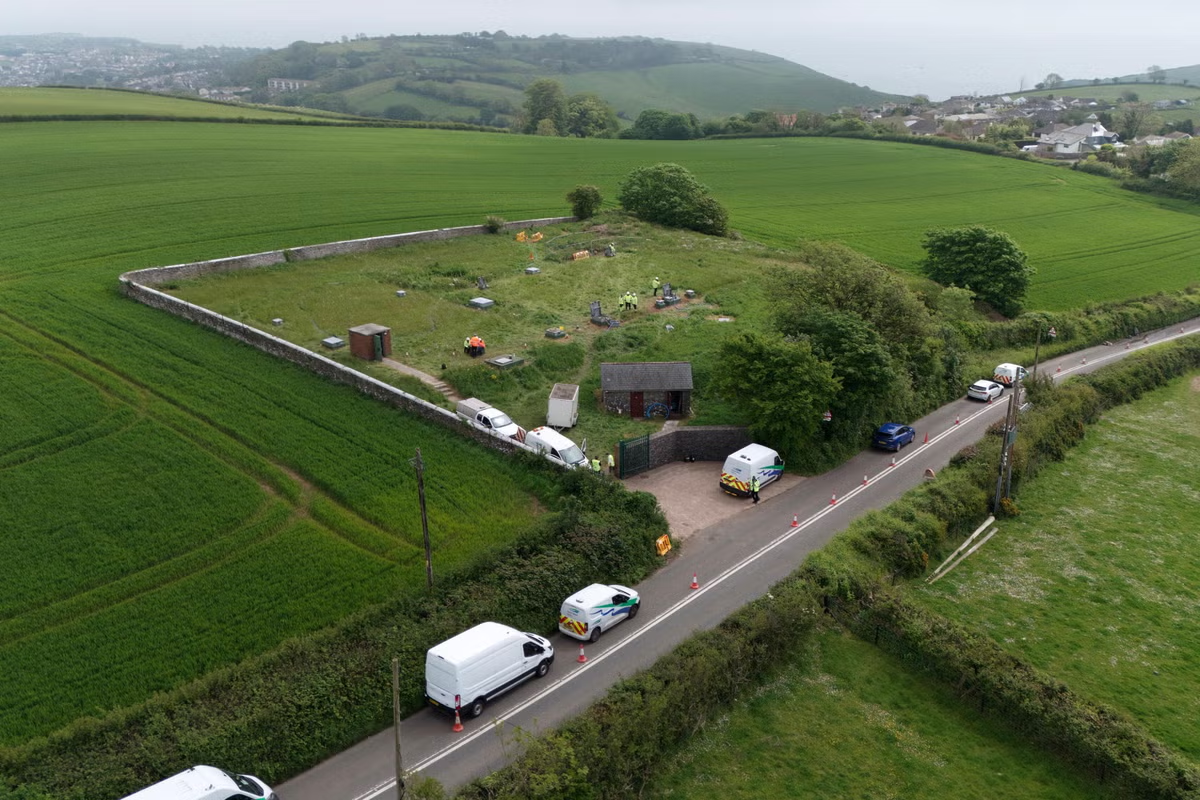
The water supply is believed to have become contaminated on two sites at a farm in Devon, within the farmyard and a field, where soil samples tested positive for the parasite.
District Judge Stuart Smith fined South West Water Ltd £1,853,000, with a surcharge of £2,000 and costs of £75,000 – totalling £1,930,000.
Speaking after the case, the Drinking Water Inspectorate (DWI), which prosecuted the firm, said the fine was a record for a drinking water offence.
The judge described “significant disruption” to schools ahead of GCSE exams, affecting performance, along with care homes, nurseries and businesses.
“The disruption to daily life was extensive,” he said.
“Households were required to boil water for drinking, cooking, brushing teeth, and for infant feeding for periods of up to eight weeks.
“Many residents spoke of confusion, conflicting messages, and persistent anxiety. The cumulative impact on public confidence in the safety of drinking water was substantial.”
He added: “This was a major public health incident.
“Contaminated water was supplied to a large community, hundreds became ill, essential public services were disrupted, and confidence in the region’s drinking water was seriously undermined.
“The company accepts that it did not take all reasonable steps or exercise all due diligence to prevent the supply ofunfit water, as required by law.”
The court heard Torbay Hospital first reported five cases of cryptosporidiosis on May 10 2024. South West Water was informed three days later and reviewed water sampling data, which was clear.
However, on May 14, several customers had reported an abnormal water taste or smell. In the early hours of May 15, samples taken from the Hillhead area confirmed the parasite in the water.
Boil notices were issued to 16,221 properties, with a population of 38,930 people. These notices were not fully lifted until July 8, when 674 properties were still affected.
Later that day, technicians from South West Water discovered a damaged air valve which formed part of the water main in a field on Hillhead Farm.
The concrete chamber surrounding the valve had been removed, the metal lid was missing and the chamber had been filled with soil, silt and water. Soil samples close to the valve tested positive for the parasite.
Later investigations at the farm revealed unlawful cross-connections between the site’s private borehole system and the public mains supply – believed to be another potential cause of the outbreak.
Judge Smith said the DWI had issued a “clear recommendation” to South West Water in 2020 about maintaining air valves, with the company drafting a policy for regular inspection. However, this was not implemented.
He added: “That amounts in my view to a systemic failure of governance within the organisation.”
Prosecuting, Joe Millington said the incident “undermined trust and confidence in the water supply”.
In victim personal statements, residents spoke of the impact of the outbreak on their lives.
One person, who experienced flu-like symptoms for 10 days before experiencing vomiting and diarrhoea, was taken to hospital by ambulance.
“My illness made me feel as if I had been beaten up,” they said.
“It was a long process of getting over it.”
Another resident described drinking a glass of water from their kitchen tap which “tasted like it had come from a pond”. They had to cancel a long-haul holiday and lost almost a stone in weight.
Jennifer Watts, 52, who is one customer being supported by legal firm Irwin Mitchell, described how her 10-year-old son spent three nights in hospital.
“One of my biggest fears is that life will never be the same again after this experience,” she said.
Dominic Kay KC, representing South West Water, offered an “unreserved apology” on behalf of the company.
“The company, through its senior management, wishes to record publicly its genuine remorse for this incident,” he told the court.
He said it was unclear when the damage had been caused to the air valve, adding that it had not been reported to South West Water and it was unaware of the unlawful cross-connections.
Mr Kay said the company had acted “entirely reasonably and properly” from when the UKHSA first notified the company of the outbreak.
South West Water owner Pennon previously said the final bill for the outbreak reached nearly £40 million.
Speaking after the sentencing, Caroline Voaden, Liberal Democrat MP for South Devon, said: “I am sure many in Brixham will feel the punishment dished out to SWW does not reflect the seriousness of the contamination or the effects it had on public health and the local economy.
“Nobody should be making a profit from water and until the Government accepts this, we will never see the scale of reform needed to turn the industry around.”
Marcus Rink, chief inspector of the Drinking Water Inspectorate, said the outbreak was a major event which had “severe consequences”.
“It is right that South West Water pleaded guilty to this offence and has been held accountable,” he said.
“The court has considered the evidence from my inspectors’ thorough investigation and rightly recognised the harm this incident caused. Today’s outcome demonstrates that when failings occur, there will be serious consequences.”

