
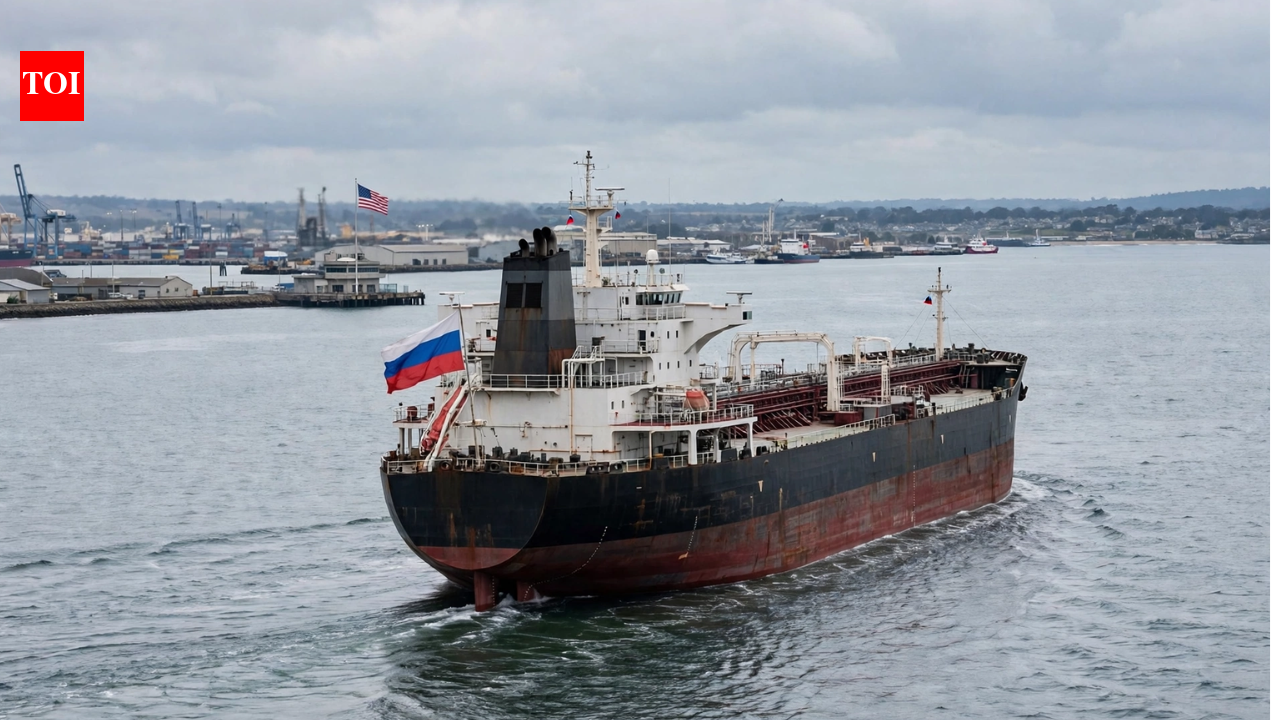
Russia nearly doubled its diesel exports in October after US President Donald Trump announced a deal with Russian President Vladimir Putin to increase fuel supplies to global markets. However, none of the additional shipments has reached the US so far, with tankers originally headed for American buyers changing course amid opposition to the move and concerns over sanctions.Russia exported around 271,000 barrels of diesel per day in October, compared with 135,000 barrels per day in September, according to data provider Kpler. Instead of reaching the US, the additional Russian fuel went to markets such as Brazil and Turkey, allowing Moscow to increase sales despite uncertainty over the proposed American shipments, according to a report by The Financial Times.At least two tankers initially headed for the US have changed course in recent weeks. Another vessel carrying Russian diesel, the Agioi Fanendes, remains off the US East Coast awaiting a buyer. The White House said negotiations with the vessel’s owner were continuing.The increase in exports came after Washington pressed Ukraine to pause attacks on Russian oil refineries and Trump announced an agreement with Putin on October 9.
What was the Trump-Putin diesel deal?
Trump announced the deal last month following a conversation with Putin, saying Russia had agreed to supply additional diesel to the US and global markets to bring down fuel prices.In a social media post, Trump had said Russia would immediately supply more than 300,000 tonnes of diesel, followed by another 500,000 tonnes in November and one million tonnes after that. He also said Russia would deliver another three million tonnes within a short period.The announcement came as diesel prices in the US were rising sharply, putting pressure on consumers and businesses that depend on the fuel for transport, agriculture and other operations. High fuel prices were also a political concern for Trump’s Republican Party ahead of the November 3 US midterm elections.To facilitate the proposed supplies, the US Treasury Department’s Office of Foreign Assets Control issued General License No. 135 on October 9. The licence temporarily authorised transactions involving the sale, delivery and import of Russian diesel that would otherwise have been restricted under US sanctions. It was issued for six months, allowing such transactions through April 2027.A White House official told the Financial Times that additional Russian diesel entering global markets would help ease prices for American consumers, even if the fuel was not delivered directly to the US.“As the President has said, this is a deal for the world. This deal was made to add diesel supply to the global market — lowering prices for Americans and the world — which is exactly what will be done,” the official said, as quoted by FT.
Why deal sparked controversy?
The diesel agreement came after efforts in the US Congress to increase economic pressure on Russia over its war in Ukraine. One major measure was the Lindsey O. Graham Sanctioning Russia and Iran Act of 2026, signed into law by Trump on September 18.The legislation provided for additional sanctions against Russia and tariffs on Russian goods, as well as duties on imports from major buyers of Russian oil and gas and countries facilitating sanctions evasion. However, on October 16, Trump issued an executive order waiving the application of these measures, citing national interests and the need to pursue a peace agreement between Russia and Ukraine. It allowed up to 100% tariffs on countries buying Russian oil.A separate legal challenge has been raised by New Jersey governor Mikie Sherrill over the proposed diesel imports. In a letter dated November 2, she argued that the Treasury Department’s October 9 licence conflicts with the Ending Importation of Russian Oil Act, passed by Congress in April 2022. That law prohibits imports of Russian energy products, including diesel.Sherrill argued that the 2022 law does not give the president or the Treasury Department blanket authority to waive the import prohibition through a licence. She also said the administration had not met the conditions required to lift the ban and warned port and terminal operators that accepting Russian diesel could expose them to civil and criminal penalties. “New Jersey will not stand by while Donald Trump supports Vladimir Putin at the expense of Americans,” she said.
Will Russia continue increasing diesel exports?
The recent rise in exports may not last. Ukraine resumed attacks on Russian refineries on October 30, following a two-week pause. Russia has also extended its diesel export ban until the end of January, although some exceptions will be allowed.Richard Bronze, head of geopolitics at consultancy Energy Aspects, said the increase in exports reflected Russian refineries’ ability to raise production during the pause in Ukrainian attacks. “If we want to attribute it, it would be the US pressure and Trump’s announcement of an energy ceasefire,” he said.However, Bronze expects Russian diesel exports to be “very lacklustre” in the coming months, as quoted by FT. “Russian refinery operations remain under significant pressure. We expect them to remain constrained around 4mn b/d in the near term, with limited prospects for a meaningful recovery as attacks continue,” said Sumit Ritolia, an analyst at Kpler.


