
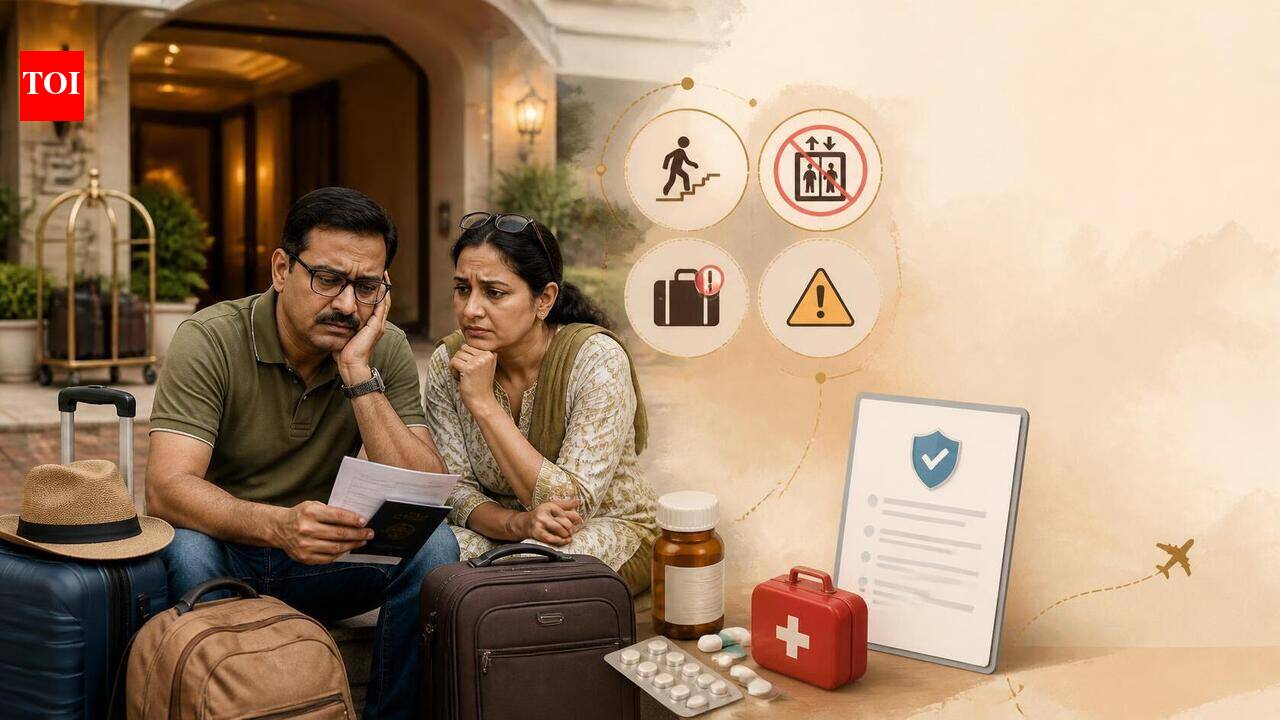
Travelling with your parents can be a lovely way to spend time together, whether you are taking them to the mountains, planning a temple visit or finally ticking off that family holiday everyone has been talking about. But a trip that looks effortless on Instagram can involve long queues, steep staircases, bumpy roads and hours of waiting in real life. If you are planning a holiday with parents over 60 in India, a little homework before booking can make the experience far more comfortable for everyone.
Pick a senior-friendly destination
(Image Credit: Canva AI)
India offers everything from Himalayan escapes to beach holidays and heritage cities, but not every destination suits every traveller. Before booking a hill station such as Shimla or Darjeeling, consider the altitude, steep roads, cold weather and how much walking the trip involves. If your parents prefer a gentler holiday, cities such as Udaipur and Mysuru can offer sightseeing, cultural experiences and comfortable hotel stays without making every day a trek.Also check the season. Summer heat in Rajasthan, heavy monsoon rain in the Western Ghats and winter fog in northern India can affect travel plans. Choose a destination that suits your parents’ comfort level rather than squeezing in the maximum number of attractions.
Check the hotel beyond its photographs
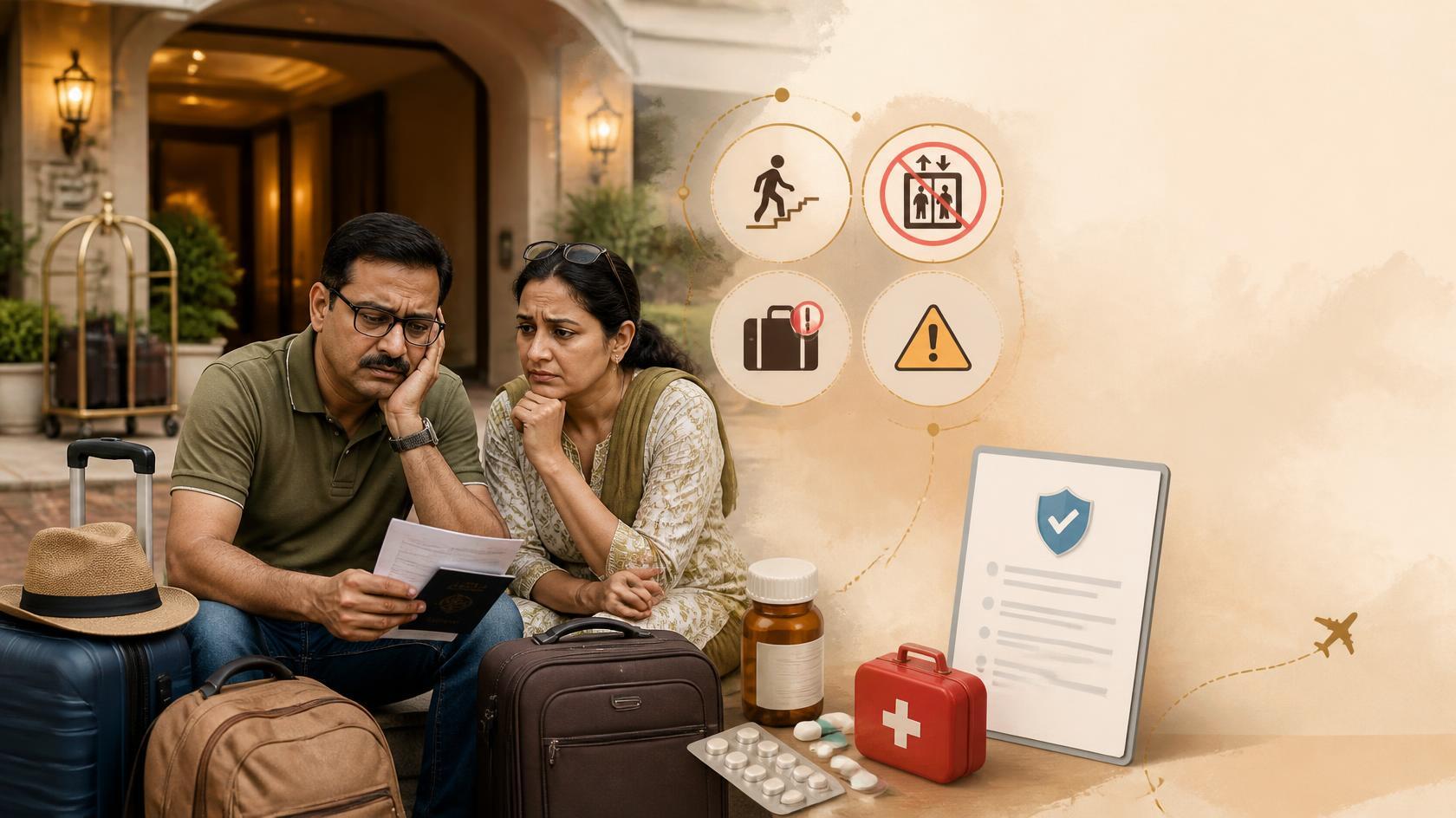
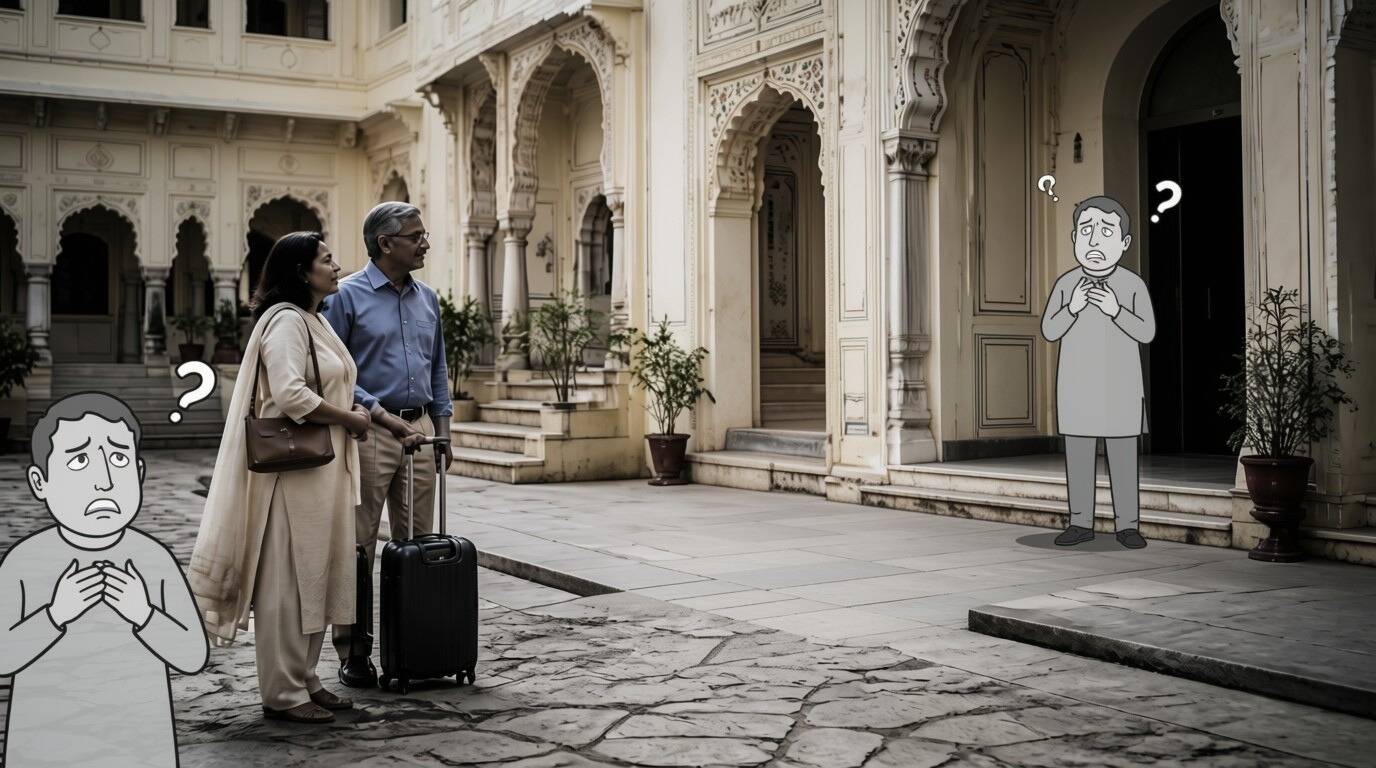
While a beautiful heritage haveli or a hillside resort may look perfect for Instagrammable pictures, they can also be inaccessible at times. The road to the resort could involve an uphill hike of 2 km, which may not be mentioned online. Therefore, check amenities and accessibility according to your parents’ convenience, including the approach road to the hotel, lifts, wheelchairs and ramps (if required), and access to local landmarks.
(Image Credit: Canva AI)
These details are particularly important at older properties, where stairs and uneven flooring may be part of the architecture. Instead of relying only on booking-site descriptions, call the hotel directly to confirm accessibility according to your requirements. If your parents use a walking stick or have difficulty with stairs, request written confirmation of the room arrangements before paying.
Check travel time and transfers
A destination that is only a few hundred kilometres away may sound like a piece of cake for young people, but it could be tiring for older people who cannot be on the road for long durations. For instance, a pilgrimage trip may mean changing trains, waiting for local transport or walking long distances between parking areas and temples.Choose direct trains or flights whenever you can, and make arrangements for a trustworthy taxi for the last leg of the journey. If you are travelling by train, find out how accessible the station is, how far apart the platforms are, and whether luggage assistance is offered. When travelling by car, schedule frequent stops rather than attempting to arrive at your destination in a single, lengthy stretch.
Keep the itinerary relaxed
A Yeh Jawaani Hai Deewani moment, where you try not to miss anything on a two-day city tour, might appeal to a person with a lot of energy. It can be tempting to fit five attractions into one day, especially when you have travelled a long way. But rushing from a fort to a museum, then across town for dinner, can leave everyone exhausted before the holiday has properly begun.
(Image Credit: Canva AI)
Instead, plan one major outing a day and keep the rest flexible.In Jaipur, for example, you could explore a fort in the morning and leave the afternoon free for a leisurely meal or some time at the hotel pool in the evening. In Kerala, a relaxed backwater cruise may be more enjoyable than packing several distant stops into the same day. Build in time for meals, afternoon naps and unexpected delays, and let your parents decide when they need a break.
Keep medicines and medical information handy
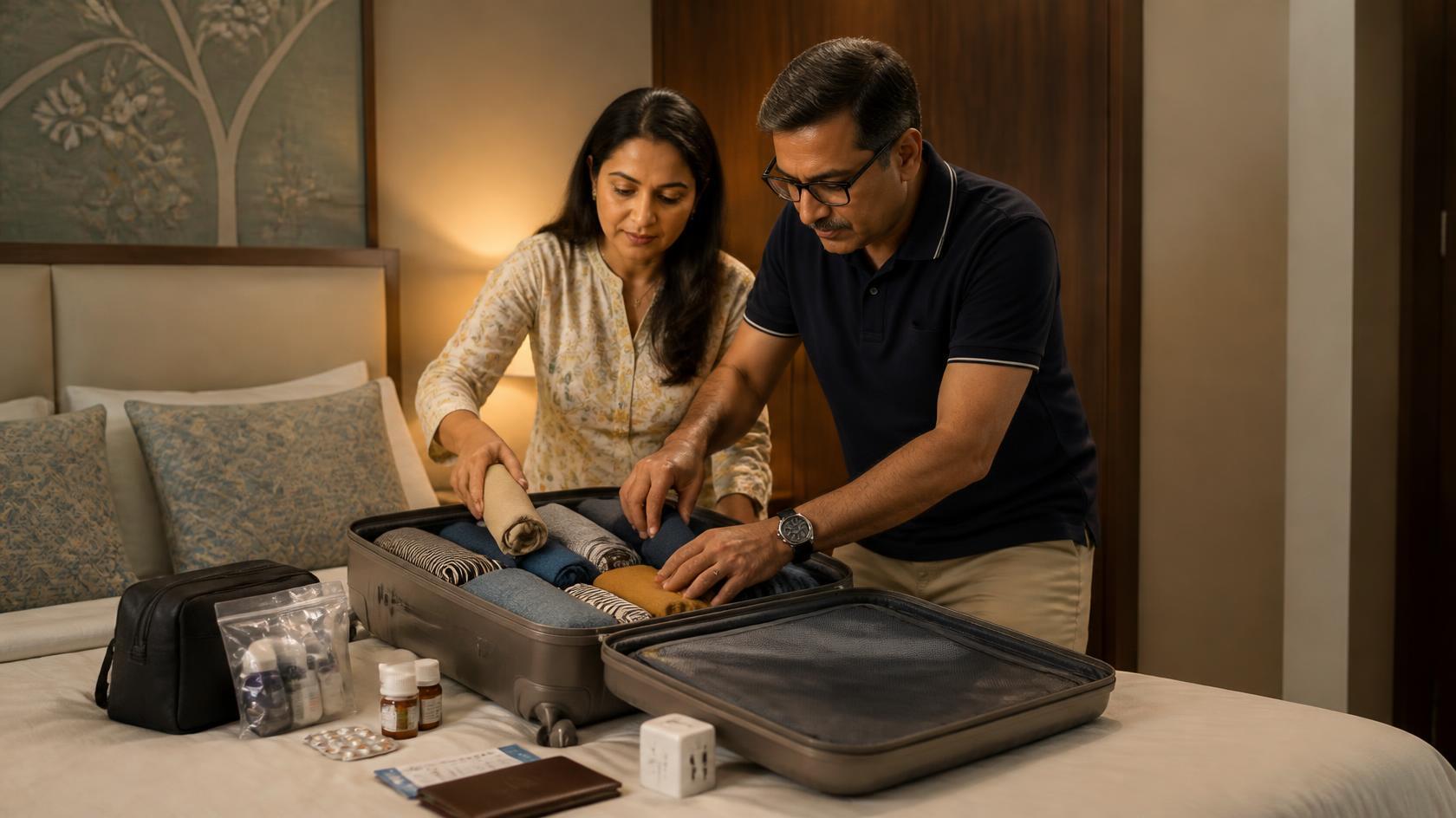
A few essential pointers to ensure your parents’ health while travelling should be kept in mind. Make sure to prepare a list of your parents’ regular medicines and pack enough for the trip, plus a little extra in case of delays. Suitcases kept at check-in counters can become inaccessible for long durations and can sometimes even be lost. Therefore, keep essential medicines in your hand luggage.
(Image Credit: Canva AI)
If the trip involves high altitude, intense heat, strenuous walking or a demanding pilgrimage route, speak to their doctor beforehand to ensure their well-being during the trip. It is also sensible to identify a hospital or clinic near your accommodation, particularly when travelling to remote areas.
Read the travel insurance fine print
This might not seem like an essential point, but checking your travel insurance policy will help you understand whether it covers medical emergencies or travel disruptions. Check whether the policy covers your parents’ age group, any pre-existing conditions, hospitalisation and emergency medical transport. If you are travelling abroad, medical evacuation cover can be particularly important.If the trip involves flights, trains, hotels or a package tour, read the cancellation and refund rules too. A change in health or an unexpected family situation can affect travel plans, and flexible bookings may be worth the extra cost.
Budget for comfort, not just sightseeing
The easy solution isn’t necessarily the cheapest. The comfort of your parents should be at the forefront of your planning. Extra costs might be justified in a few cases, such as booking a hotel nearer to the main attractions or a direct taxi rather than several local transfers. Convenient yet authentic meals, cosy stays and a small sum of money for last-minute adjustments can do a lot for your parents’ convenience.Finally, verify whether there are steps, lengthy queues, steep stretches or limited seating at locations such as temples, forts or busy marketplaces. Assistance and accessible facilities are available at some locations, but availability varies, so make sure before you arrive.


