
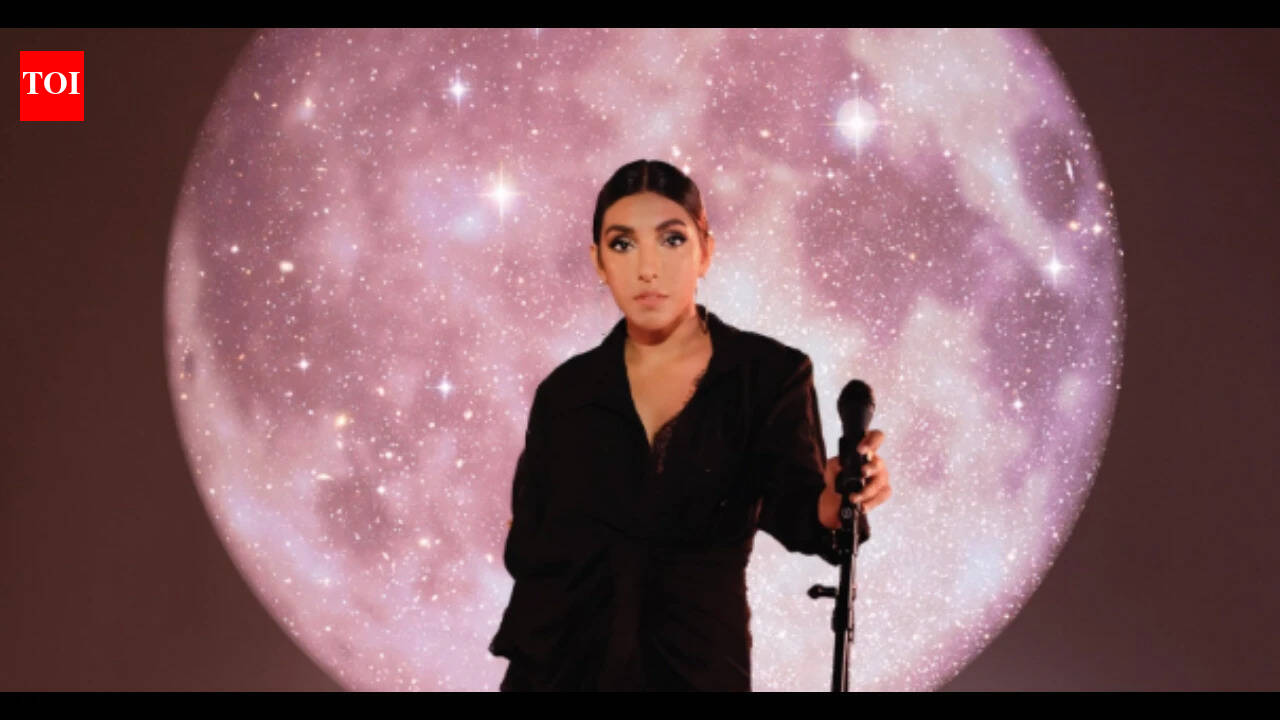
Rupi Kaur is a Canadian poet, illustrator, and performer, born in India and later moved to Canada with her parents when she was very young.Her first book, Milk and Honey, was self-published in 2014 and later re-released went on to become one of the best-selling poetry books of this century.Many of her quotes often resurface from her books, talking about profound ideas that people relate to in their daily lives and what they feel within themselves.She once said that we easily end up judging ourselves based on what others think about us, be it a painting, a song, a poem, or even a simple post; all of it feels worthy only if enough people notice it.Following through this pattern over time, many of us begin living our lives around what we think others want to see, and slowly stop asking what we actually want to say.It is a very human habit. Nobody enjoys being ignored, and wanting approval is not a flaw. But there is a difference between wanting to be liked and needing to be liked, and that difference can decide whether your work feels like yours or like a performance.Let’s dig in to find out what she means to say.
Quote of the day
Your art is not about how many people like your work; your art is about,if your heart likes your work, if your soul likes your work, it’s about how honestyou are with yourself, and you must never trade honesty for relatability
Rupi Kaur
What does the quote mean?
Kaur says the worth of art is not decided by how many people clap for it. The real test is whether your own heart and soul are satisfied, and whether you were truthful with yourself while making it. She advises not to “trade honesty for relatability,” and to listen to the heart and be truthful. You can connect with people, but not by pretending but staying true and how you really are.These lines by Rupi Kaur come from her debut collection, Milk and Honey. Like many popular poems, these lines have popularly resurfaced online on social media, with people writing random verses and signing them with her name.
How are these words relatable?
We live in a time when anyone can post something and watch reactions arrive within seconds. Platforms reward content that is quick, familiar, and easy to share. That pushes many creators to copy trends and sand down their real voice. The pressure is not limited to artists. Students, professionals, and daily social media users also edit their opinions to fit what will be liked.In such scenarios, Kaur’s lines offer a calmer way to measure ourselves by just asking Is this true to me? Or am I just doing it so people would like it?


