
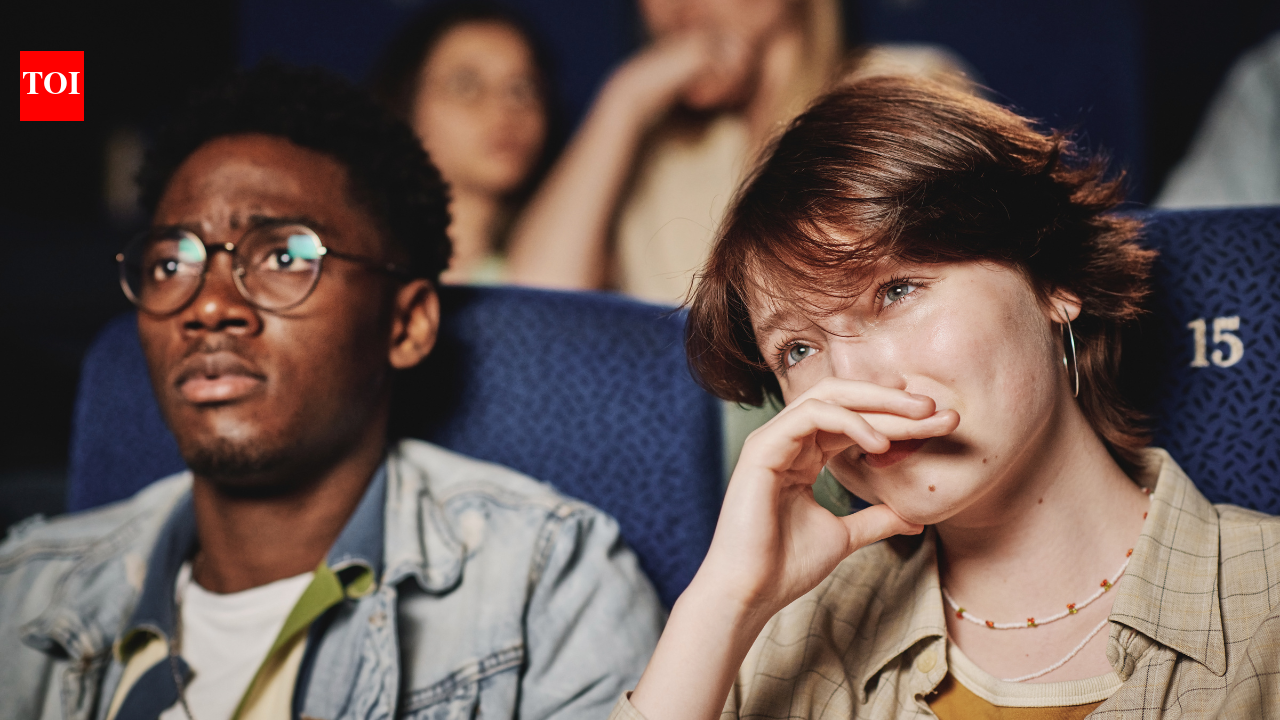
You finish the last episode of a series you have followed for months. The final scene ends, the credits roll and you know there is no next episode waiting. Or you reach the last page of a book whose characters have kept you company for days. Instead of feeling satisfied, you feel strangely low. You miss the characters, wonder what happens to them next and find yourself returning to scenes from the story. You know these people are fictional. Yet saying goodbye to them can feel surprisingly personal.Psychology research suggests that this reaction may be connected to the emotional relationships people develop with fictional characters and the worlds they inhabit. These connections can become meaningful even though the characters cannot know or respond to the people reading or watching their stories.
Why can fictional characters feel like people we know?
Photo: Canva
Researchers use the term parasocial relationship to describe a one-sided emotional connection that audiences develop with media personalities or fictional characters. Unlike a real friendship, the relationship is not reciprocal. But the feelings of familiarity, affection and emotional investment can still be genuine.A 2021 study published in the Journal of Social and Personal Relationships examined how people’s attachment styles influence their engagement with stories and characters.Researchers of York University found that attachment-related differences were associated with how deeply people became immersed in fictional narratives and how they formed connections with characters. The researchers suggested that stories can offer a sense of interpersonal closeness without the risks of rejection or conflict that can accompany real relationships.This may help explain why a character’s struggles, relationships and achievements can begin to matter to someone watching from home or reading on a train. Over time, the character becomes familiar, and the audience may start anticipating their reactions or feeling emotionally invested in their decisions.
Why does finishing a story sometimes feel like losing someone?
A 2024 study directly examined this experience. The research investigated how viewers responded when the long-running Australian television series Neighbours ended in 2022.Psychologist Adam Gerace surveyed 1,289 fans shortly after the final episode. Participants reported their feelings about the show’s ending, including sadness, difficulty accepting that it was over and distress linked to losing their relationship with a favourite character.The findings showed that stronger grief and loss reactions were associated with a stronger connection to the series, a greater sense of belonging to its fan community and more emotionally involved relationships with favourite characters.The study also found that people who watched the series to experience different lifestyles and situations, rather than simply to pass the time, reported stronger reactions to its ending.The researchers argued that the end of a fictional series can produce grief-like responses because viewers are not only losing access to a story. They are also saying goodbye to characters and a fictional environment that may have been part of their lives for years.
Why some stories stay with us longer than others

Photo: Canva
Not every book or television series produces this reaction. The emotional connection may depend on how deeply someone becomes involved in the story, how much they identify with a character and what the fictional world means to them.A character may remind someone of a family member, reflect a struggle they have experienced or represent a kind of friendship they value. A story may also provide comfort during a difficult period or become part of a daily routine.Research examined how readers develop relationships with characters in books. The researchers found that factors such as the reader’s access to a character’s thoughts, the feeling of being present in the story and the personal relevance of the narrative were associated with stronger parasocial relationships.In other words, a book can create a sense of closeness by allowing readers to follow a character’s private thoughts and emotions. By the time the story ends, the reader may feel that they have spent considerable time getting to know that person.Does feeling sad after a story ends mean something is wrong?No. Feeling disappointed, nostalgic or temporarily low after finishing a story does not, by itself, indicate a psychological problem. It may simply reflect how involved you were in the experience. You may miss the routine of watching an episode before bed, reading a few chapters during your commute or discussing the plot with someone who followed the same story.It is also possible to feel both satisfied with an ending and sad that the experience is over. These reactions do not contradict each other. Studies of parasocial relationships identify associations; they do not establish that everyone who becomes attached to a character will experience sadness when a story ends.Still, the next time you feel reluctant to close a book or start another series immediately after finishing a favourite one, there may be a reason. You are not necessarily mourning the fictional characters themselves. You may be responding to the end of an experience, a familiar routine and an imagined world that had become emotionally important to you.


