
Pakistan scraps its 18% ‘luxury ta’x on pads and contraceptives, igniting widespread relief
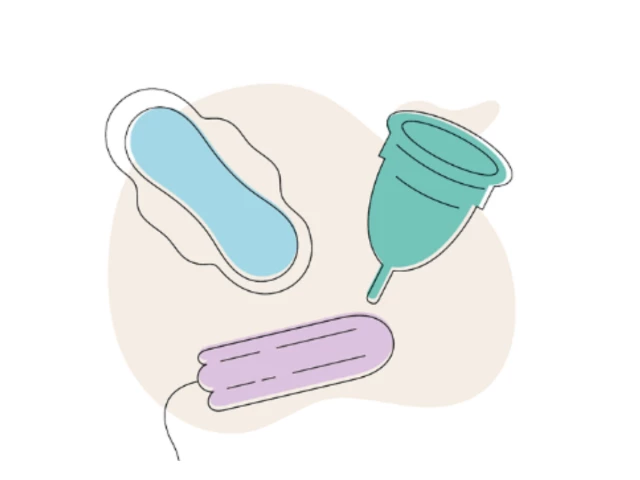
A sigh of relief is sweeping across the country after the budget for the next fiscal year was presented. Delivering an unexpected, quiet triumph for public health and gender equity, Finance Minister Muhammad Aurangzeb announced the complete removal of the 18% sales tax on sanitary pads, menstrual products, and contraceptives.
خواتین کی صحت کے حوالے سے بھی اہم ریلیف کا اعلان کیا گیا ہے،سینیٹری پیڈز اور متعلقہ ضروری اشیاء پر عائد ٹیکس مکمل طور پر ختم کر دیا گیا ہے،جس کا مقصد خواتین کو بنیادی صحت سہولیات تک آسان اور سستی رسائی فراہم کرنا ہے۔
Important relief measures have also been announced regarding… pic.twitter.com/Q5DW5k6Ctr
— Saddia Mazhar|سعدیہ مظہر (@SaddiaMazhar) June 12, 2026
This change did not happen overnight. It follows years of intense activism and legal pressure. Activists took the government to court, filing high-profile petitions including Mahnoor Omer v. Federation of Pakistan in the Lahore High Court, alongside similar legal challenges in the Sindh High Court.
Taking to her Instagram, the activist shared a post by Mahwari Justice Official, a women’s community group that works hand in hand to eradicate period poverty in Pakistan. The post shared gratitude towards Mahnoor and Ahsan Jehangir Khan, over their legal challenge, which brought national attention to the issue and strengthened the call for menstrual products to be recognised as essential items rather than luxury goods.
The public response has been welcoming, calling it a win for women across Pakistan.
Women across the country are celebrating this as a big win for their rights. Sharing their feelings, social media users wrote how the removal of taxes on health products makes it easier on their pockets over rising inflation.
Budget 2026-27 has abolished the 18% tax on sanitary pads for women, also know as the pink tax, joining a list of only 17 other countries to have completely abolished such a tax. https://t.co/E3KhsyqiCA
— Zehra Farooq (@ZehraFarooq) June 12, 2026
Some users celebrated Pakistan’s entry into the list of 17 global nations that refuse to monetise basic biology, calling it a progressive move for Pakistan’s growth.
While much of the debate surrounding Budget 2026-27 has focused on taxes, salaries, development spending and broader economic indicators, some of its most meaningful measures have received comparatively less attention. Among them is the decision to remove the 18% sales tax on…
— Saadia Afzaal (@SaadiaAfzaal) June 13, 2026
Users called it a people-friendly budget that not only prioritised major development projects but also responded to the everyday needs of ordinary families.
“By eliminating this tax, the government has acknowledged a reality often overlooked in public policy debates: women face unique health and financial challenges that require targeted support,” a user penned down in a heartfelt post.
Fahmida Iqbal Khan, Pakistan’s UN Women representative, also took to social media, sharing her view, quoting it as a “landmark win for menstrual equity!”, calling it a matter of health, not luxury.
Consumers will not have to wait long to see these changes reflected at the checkout counter. Following standard legislative procedures, the newly announced tax exemptions are set to officially take effect from July 1, marking the start of the new fiscal year.

