
Want to bookmark your favourite articles and stories to read or reference later? Start your Independent Membership today.
Already a member?
Log in
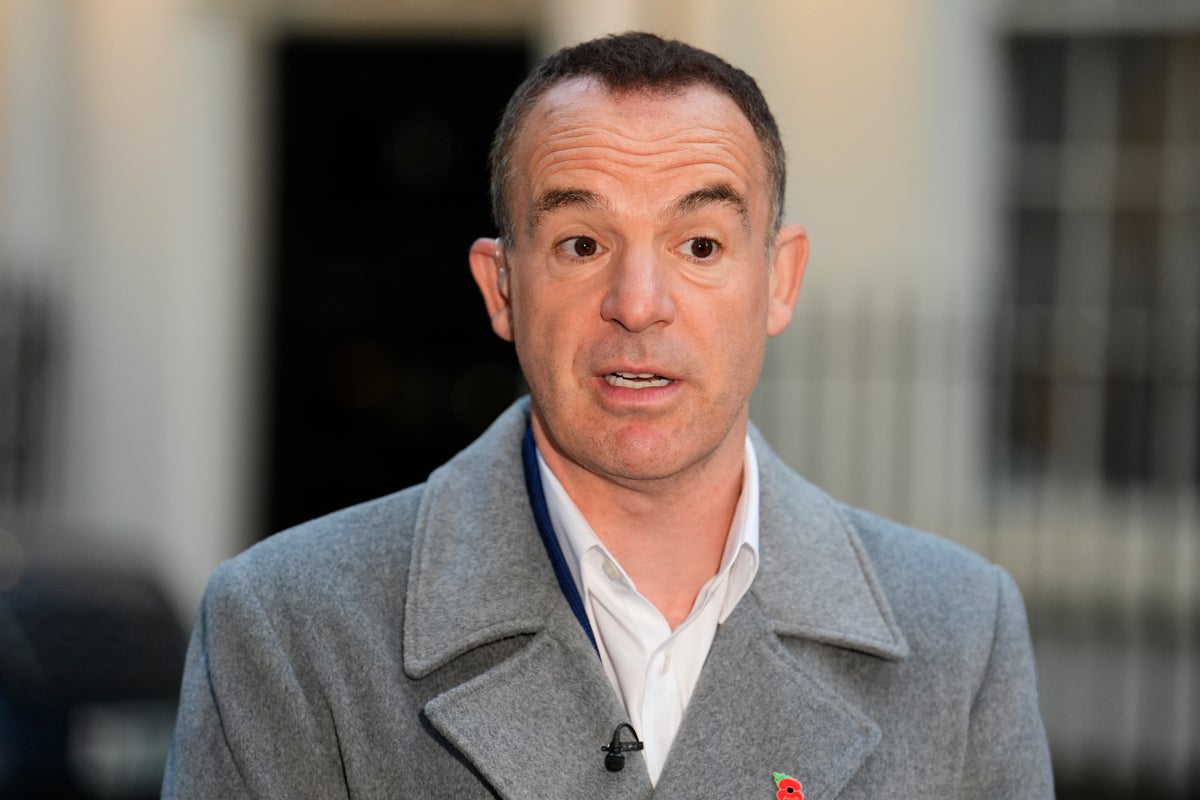
Martin Lewis has weighed in on the government’s plans to create a new Starter ISA for Brits, suggesting it could provide a “boost” for first-time investors.
It comes after Chancellor John Healy reversed proposals to cut Cash ISA limits from £20,000 to £12,000 per financial year in the autumn Budget on 28 October.
“The limit will stay at £20,000 per year, tax-free, for people of all ages and to make investment more accessible,” Healy said in his speech. “I will work with the sector to create a new ‘Starter ISA’ to reward first-time investors.”
All we know about the Starter ISA so far
The Chancellor gave no further details on how the Starter ISA would work or when it would launch.
However, The Independent understands that an industry-wide consultation will take place in the coming months.
It is likely that those with any kind of ISA already open, but have yet to invest, could get some additional benefit or education to help transition from saving to investing in stocks and shares.
Experts have already warned that a 10-year strategy that “builds trust and removes friction” is needed to make the UK a nation of investors.
“While we are cautiously optimistic about the direction of travel to incentivise investing rather than to punish saving, adding yet another ISA to an already complex ecosystem does set off alarm bells,” said Brian Byrnes, director of personal finance at Moneybox.
Martin Lewis explains how Starter ISA could ‘boost’ your savings
Broadcaster and financial expert Martin Lewis had urged Healy, and former Chancellor Rachel Reeves, to encourage young people to invest their money.

Invest at least £100 in Stocks or ETFs of your choice. Get fractional shares worth £50!
Terms and conditions apply.
ADVERTISEMENT
Invest at least £100 in Stocks or ETFs of your choice. Get fractional shares worth £50!
Terms and conditions apply.
ADVERTISEMENT
However, he had not suggested creating a new ISA – arguing that the ISA regime is “already complicated”. Instead, Mr Lewis had discussed giving first-time investors in a shares ISA a bonus on the money they put in.
On his Money Saving Expert website, Mr Lewis said that a bonus of, say or 10 per cent or 15 per cent, on the first £2,000 to £3,000 people invest could help nervous first-time investors “dip their toe in the water” as they have more wiggle room if things fall in the short term. He said research needs doing on what the sweet spot of the bonus would be.
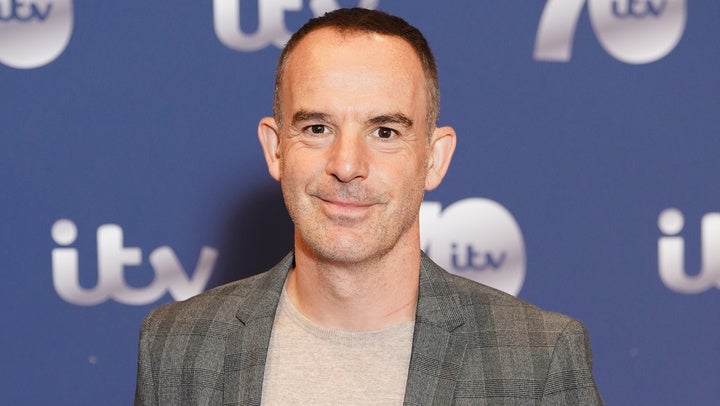
“That way, once they get used to it, some will be willing to continue and use the rest of their stocks and shares ISA, if they’re lucky enough to have the money,” he wrote. “Plus, if combined with an easy starter system that includes basic investment education, it could be a really powerful way to get more young people on the investment track.”
Some investment firms already offer introductory bonuses for investors, but Mr Lewis said this is “patchy and marketing-driven” rather than something that is “constantly available”.
In its tax-free savings newsletter on 29 October, HM Revenue and Customs said the detailed design for the new ISA inventive will be developed with the industry.


