
Oil prices held close to a one-month high on Tuesday despite efforts to broker a truce between the US and Iran as the widening conflict and a new threat to Red Sea shipping kept supply fears alive.
Brent crude, the international benchmark, slipped 0.4 per cent to $88.87 a barrel, while US West Texas Intermediate held steady at $82.47. Both remained near the highs reached the day before, when Brent broke above $90 for the first time in more than a month.
The slight retreat came after reports of a mediation effort to pause the fighting between US and Iran. Tehran had received a proposal from mediators for a 10-day ceasefire, an effort to salvage an interim deal signed on 17 June to end the US-Israeli war on Iran that started on 28 February, a senior Iranian official told Reuters.
In spite of the efforts to secure a ceasefire, the US launched airstrikes for the 10th straight night, after president Donald Trump warned that Tehran would “pay” for the killing of American soldiers in Jordan. Iran responded with attacks on Kuwait.
Meanwhile, the Houthi government of Yemen announced a ban on shipping linked to Saudi Arabia, threatening a route the kingdom used to move millions of barrels of crude through a cross-country pipeline bypassing the Strait of Hormuz. Saudi Arabia said it would take all necessary measures to protect its vessels.
The pipeline is one of the few ways Gulf oil can reach world markets without passing through Hormuz, the narrow channel between Iran and Oman that normally carries about a fifth of global oil. With both routes now under threat, the market is left with fewer fallbacks if shipments are disrupted.
“The threats of a naval blockade on Saudi Arabia by the Houthis are significant because they raise the risk of disruption to another major oil exporter,” Tim Waterer, chief market analyst at KCM Trade, told Reuters.
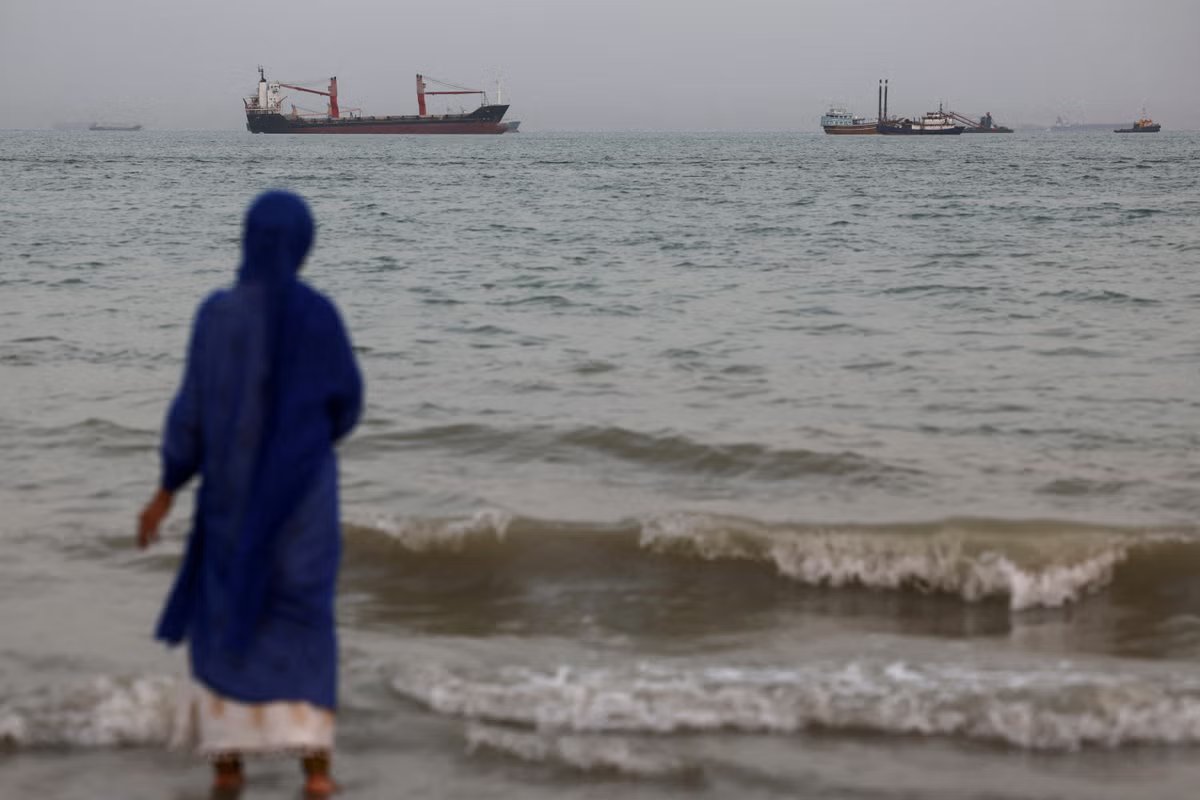
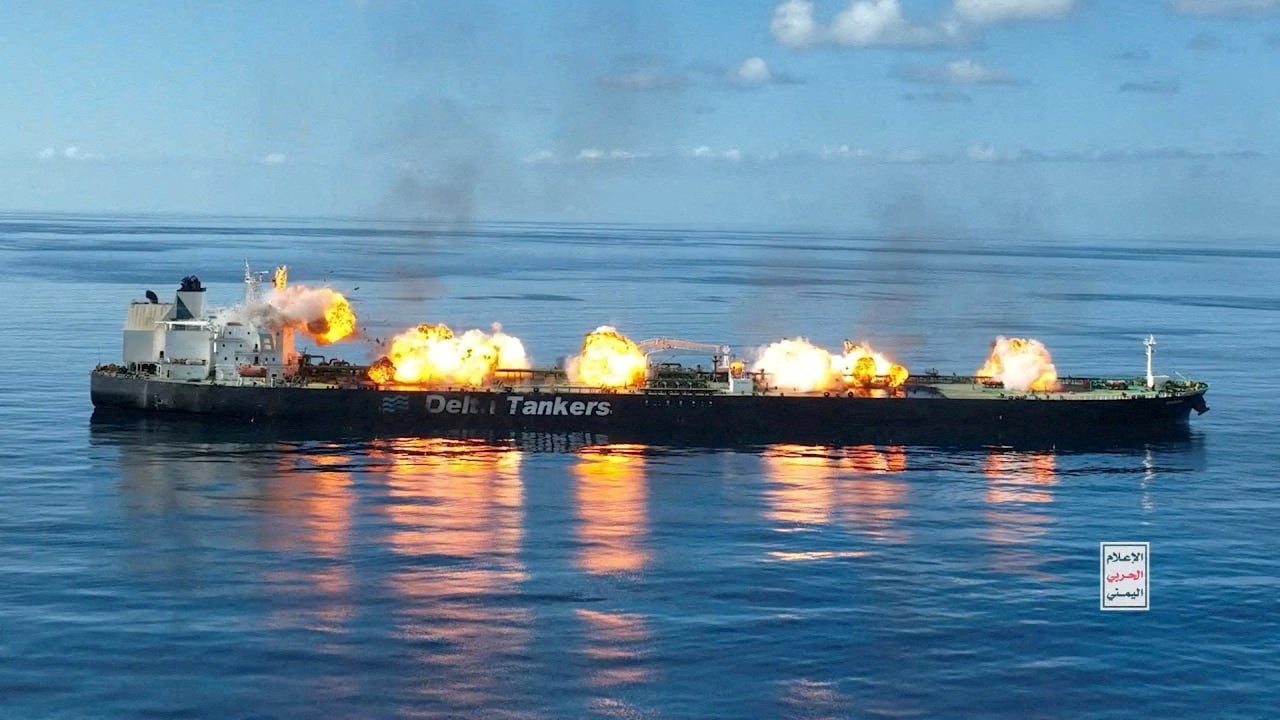
Shipping around Hormuz continued to face attacks. A tanker was struck by a projectile northeast of Limah, off the coast of Oman, early on Tuesday, the UK Maritime Trade Operations agency reported, citing multiple accounts. The vessel was not identified.
The US-Israeli war against Iran is the most disruptive to oil supply in years. Prices briefly returned to pre-war levels earlier in the summer after the US and Iran signed an interim deal to end the fighting, before renewed strikes sent them climbing again. Brent traded above $100 a barrel in March at the height of the war, the highest since 2022.
“Oil has come a long way already and it certainly has the potential to go higher again. However, in the short term the overnight talk of de-escalation and peace talks appears to be capping the upside for the time being. Whether anything comes from those peace talks remains to be seen,” IG market analyst Tony Sycamore said in a note.

