
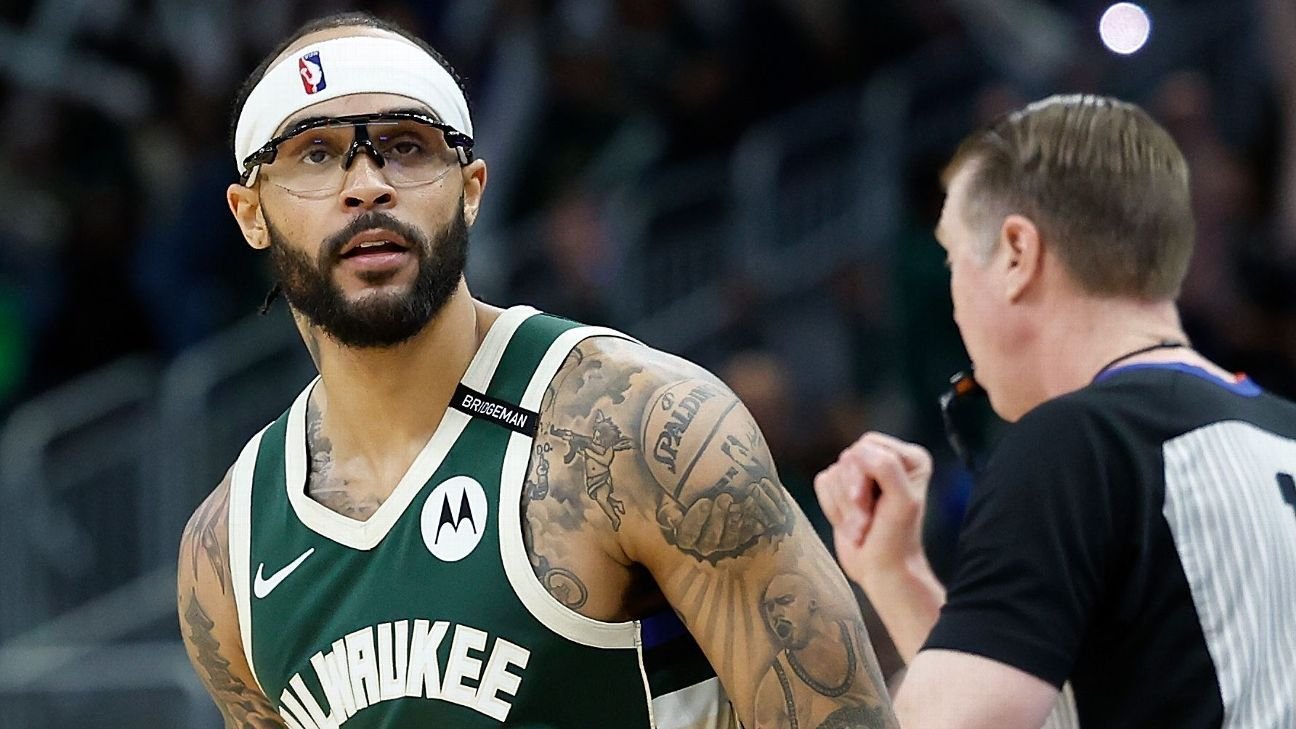
The NBA is investigating a four-year, $64 million deal between Gary Trent Jr. and the Milwaukee Bucks for possible salary cap circumvention, a league spokesperson told ESPN’s Shams Charania.
Trent’s new deal to re-sign with the Bucks was officially announced and submitted to the NBA on Thursday morning, and he is set to receive a significant pay raise and multi-year contract despite producing some of the lowest production of his career last season.
Trent, 27, averaged 8.1 points on 38.7% shooting during the 2025-26 season, his lowest averages since he played 15 games as a rookie with Portland in 2018-19.
He signed for the league minimum in the summer of 2024 and put together a strong first season in Milwaukee, averaging 11.1 points on 43% shooting with a strong playoff performance. Trent then signed a two-year, $7.5 million contract with the Bucks before the start of last season, which paid him $3.7 million during the ’25-26 season, and established his early Bird rights — allowing him to re-sign with a team even if they are over the salary cap.
Trent opted out of his player option to become a free agent this summer and will be set to earn $15.2 million this upcoming season.
The NBA is looking into the contract, as the league’s collective bargaining agreement contains a clause against “prior agreement.”
Rival executives around the league had been expecting Trent to re-sign with the Bucks for months, sources told ESPN, after Trent played for Milwaukee below his perceived value last season. Once the Bucks established his early Bird rights, Trent signed for significantly higher in salary and years than his perceived value around the league.
At least one team was interested in a sign-and-trade for Trent, sources told Charania.
Trent also joins a crowded backcourt mix already in place in Milwaukee. The Bucks entered the summer with Ryan Rollins, Kevin Porter Jr. and AJ Green on the roster, traded for Tyler Herro, Kasparas Jakucionis and Caris LeVert; and drafted Brayden Burries at No. 10 overall.
The NBA delivered penalties and voided a contract after an investigation into the Minnesota Timberwolves and Joe Smith in 2000. Minnesota signed a written, illegal secret agreement with Smith, promising him a multi-year, multi-million contract extension that was set to begin in the 2001-02 season — after Smith had played three seasons on minimum contracts with the Timberwolves.

