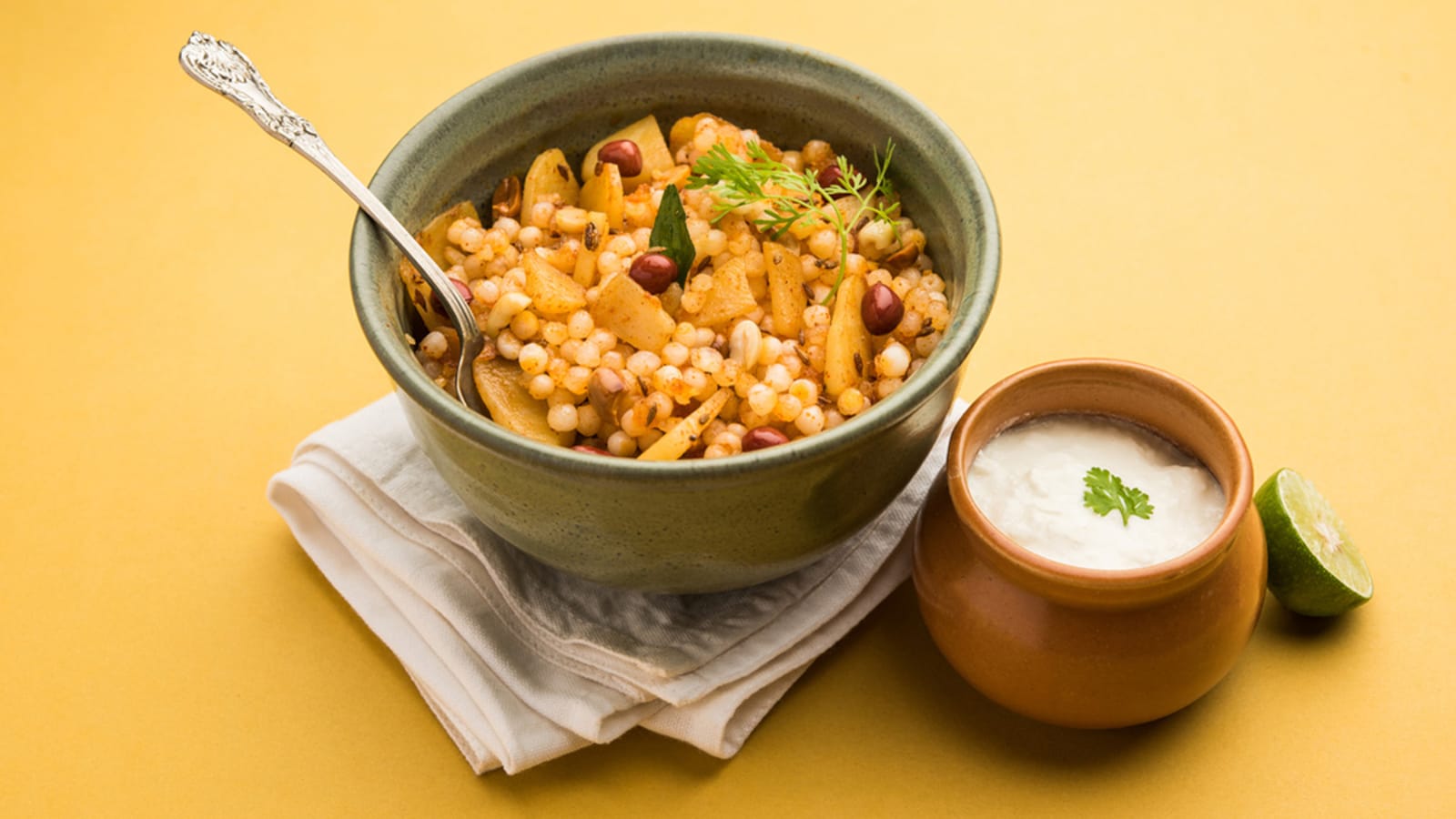
Navratri is one of India’s most widely celebrated festivals and is observed with great devotion across the country. During these nine days, devotees worship the nine forms of Goddess Durga and follow specific dietary practices while fasting. This year, Sharad Navratri begins on October 11 and concludes with Ram Navami.
People observing the fast typically consume sattvic foods made with ingredients such as buckwheat flour (kuttu ka atta), barnyard millet (samak rice), potatoes, yoghurt, and dairy products. However, not all spices are considered suitable for vrat meals. If you are fasting during Navratri, here are some spices that are generally avoided.
ALSO READ | When Is Sharad Navratri 2026? Check Ashtami, Navami Dates And 5 Sattvic Recipes
Navratri 2026: Spices To Avoid During Navratri
Fenugreek Seeds (Methi)
Fenugreek seeds are usually not included in Navratri fasting meals. They are believed to have a warming effect on the body and do not fit well with the light and simple foods typically associated with a sattvic diet.
Asafoetida (Hing)
Hing is generally avoided during fasting because many commercially available varieties contain wheat flour, making them unsuitable for vrat preparations.
Mustard Seeds (Rai)
Mustard seeds are often excluded from Navratri recipes due to their strong flavour and heating properties. As fasting meals focus on simple ingredients, they are usually avoided.
Red Chilli Powder (Lal Mirch)
Red chilli powder is commonly avoided during Navratri fasts because of its intense heat. Fasting foods are generally prepared using milder ingredients that are considered easier to digest.
Which Oil Should Be Used For Cooking?
Apart from selecting the right spices, choosing the appropriate cooking medium is also important during Navratri. Desi ghee (clarified butter) is widely regarded as the preferred choice, as it is considered pure and suitable for fasting.
If you prefer cooking with oil, peanut oil is a popular option for vrat-friendly recipes. It is commonly used in many households during fasting periods.
On the other hand, mustard oil is generally avoided while preparing fasting meals. Many people also refrain from using oils derived from ingredients considered heating in nature, such as mustard oil, soybean oil, and certain refined oils.
ALSO READ | A 9-Day High-Protein Meal Plan For Navratri 2026 To Keep You Full If You’re Fasting
Which Spices Can Be Used During Navratri?
Rock Salt (Sendha Namak)
Regular table salt is replaced with sendha namak, which is considered suitable for fasting.
Cumin (Jeera)
Cumin is regarded as sattvic and easy to digest. It can be used whole for tempering or added in powdered form to various dishes.
Black Pepper
Black pepper is often used to add mild heat and flavour, making it a popular substitute for red chilli powder during fasting.
Green Cardamom And Cloves
These aromatic spices are commonly used in sweets, desserts, and tea to enhance flavour.
Carom Seeds (Ajwain) And Cinnamon
Both spices can be consumed in moderation during Navratri. Cinnamon adds warmth and flavour, while ajwain may aid digestion.
Fresh Coriander And Ginger
Fresh coriander and ginger are widely used in chutneys, curries, and vrat-friendly dishes. They add freshness, aroma, and flavour to meals.
Use these fasting-friendly spices to prepare dishes such as potato curry, chaat, puri, and other Navratri favourites while following traditional dietary guidelines.