
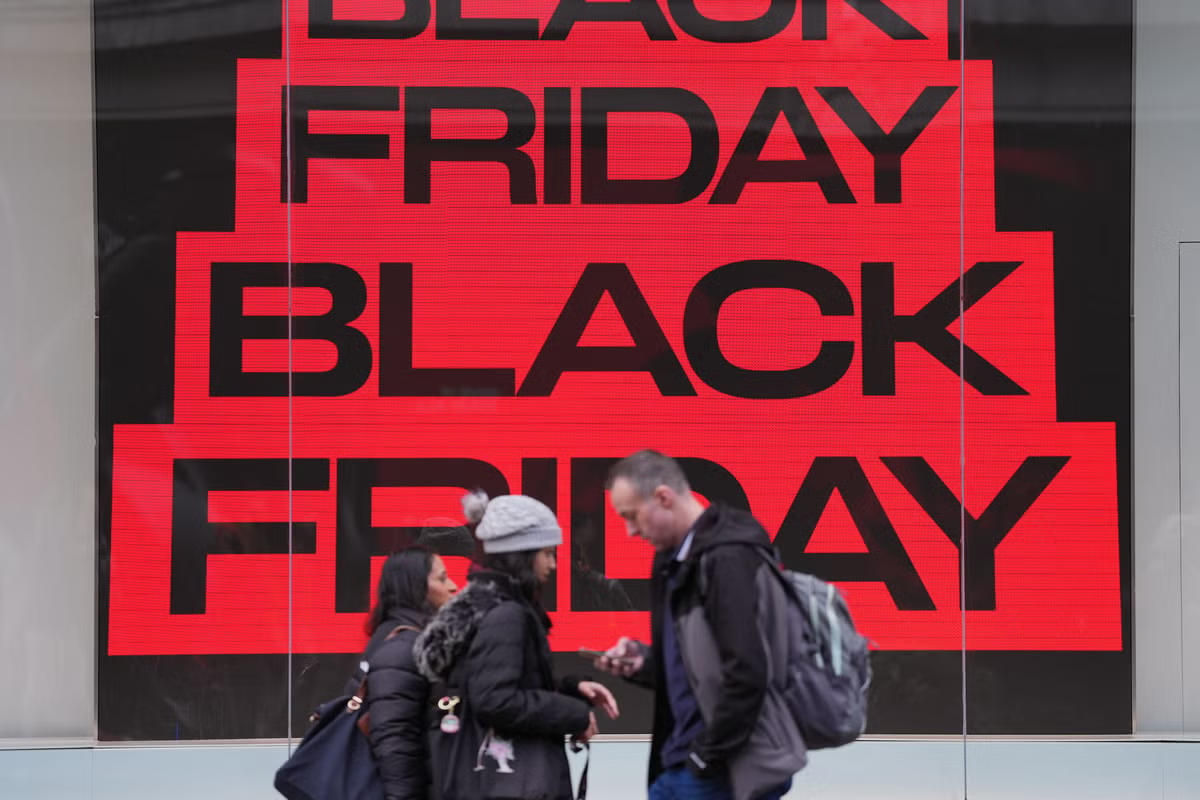
John Lewis, Boots and Debenhams all used misleading pricing in their ads for Black Friday deals last year, the regulator has found.
The Advertising Standards Authority (ASA) found two John Lewis ads for MacBook and ASUS laptops in the lead-up to Black Friday in November overstated the advertised price drops.
The first John Lewis ad offered a MacBook Air for £699 including a £150 saving on Black Friday, but the ASA found “insufficient” data from the retailer demonstrating the laptop’s established selling price was £849.
It noted third-party price tracking websites suggested the product had only been sold for £849 for one day in July 2025.
The ASA said it had also not seen sufficient evidence that a claimed £450 drop in price for the ASUS laptop as part of John Lewis’s Black Friday event represented a genuine saving.
The regulator found two ads for Debenhams – one advertising home products with “44%” savings, and the other featuring various products including a hair styling tool with “21% savings” – were misleading, while a Boots ad for a Hugo Boss fragrance advertised as reduced from £80 to £60 had only been sold at the higher price for 21 days when it was first launched.
The ASA said in all cases, it had not seen evidence the advertised Black Friday deals claims represented a genuine saving against the usual selling price of the product, and therefore misled consumers.
The sweep is the latest by the regulator using AI-powered monitoring, and follows rulings against hotel and travel companies in November for making misleading “from” price claims.

Get a free fractional share worth up to £100.
Capital at risk.
Terms and conditions apply.
ADVERTISEMENT
Get a free fractional share worth up to £100.
Capital at risk.
Terms and conditions apply.
ADVERTISEMENT
The ASA also banned two ads for Very following complaints from the watchdog Which? over misleading reference prices and associated savings.
Emily Henwood, operations manager at the ASA, said: “People rightly expect the deals they see around Black Friday to be genuine.
“These rulings send a clear message to retailers and brands that promotional events aren’t exempt from the rules.
“We expect advertisers to be able to demonstrate that the discounts they promote represent real savings so that people aren’t misled.”
Which? head of consumer protection policy Sue Davies said: “It’s unacceptable that well-known businesses have been reeling in customers with misleading deals.
“It will be reassuring to people, especially when so many are already struggling with cost-of-living pressures, that the ASA is taking action. This should send a message to other businesses that dodgy pricing will not be tolerated.
“That being said, we find too often that customers are being targeted by ‘deals’ that are not what they seem. It’s clear that the current system is not fit for purpose and the Government must tighten the law to ban deceptive pricing.”
A Debenhams spokesman said: “We note the ASA’s ruling in relation to a small number of marketplace product adverts from late 2025.
“Debenhams operates a marketplace model, where third-party sellers set their own prices and are required to comply with all advertising and pricing regulations.
“While we do not set or control this pricing, we have taken steps to reinforce our guidance and requirements for third-party sellers to ensure compliance with all advertising and pricing regulations.”
A John Lewis spokeswoman said: “Our Never Knowingly Undersold price promise means we lower thousands of prices each week to match competitors – and this activity intensifies during the busy Black Friday period.
“While we always strive to ensure the price claims in our advertising are accurate and compliant, we apologise for two errors which weren’t picked up when we lowered our prices to match others.”
A Boots spokeswoman said: “We know that our customers enjoy making genuine savings on their shopping at Boots, and last year we offered discounts on more than 20,000 products across the Black Friday period.
“We have robust measures in place to make sure that our promotions comply with the relevant laws and associated guidance, and we have taken learnings from this individual case of human error identified by the ASA.”

