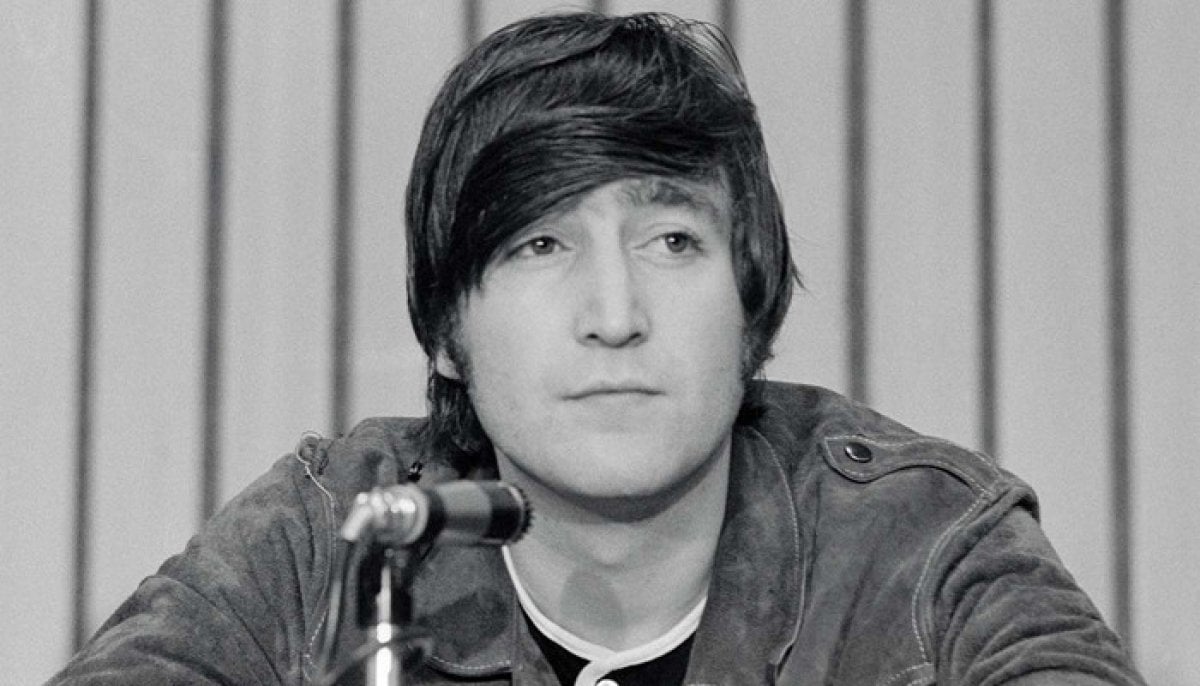
John Lennon released Imagine fifty-five years ago today, a song that would become one of the most recognizable recordings of his solo career.
The single was built around Lennon’s gentle piano and restrained vocals, presenting a simple but ambitious vision of a world without division.
Imagine paired an accessible melody with lyrics that challenged ideas about religion, nationalism and material possessions. Its message of peace would eventually become inseparable from Lennon’s legacy, particularly after his death.
According to History, Lennon began writing Imagine amid the Vietnam War while still part of the Beatles, drawing heavily on ideas from Yoko Ono, whose poetry collection Grapefruit helped shape the song’s concept.
Lennon recorded Imagine at Tittenhurst Park, his country home with Ono, working with producer Phil Spector nearly a year after the Beatles publicly split in 1970.
The song stood apart from some of Lennon’s more openly political work at the time. Instead of directly addressing a specific conflict, it offered a broader picture of what life could look like without the barriers that divide people.
“Now I understand what you have to do: put your political message across with a little honey,” Lennon was quoted as saying of the song in Geoffrey Giuliano’s 2000 biography Lennon in America, per Billboard.
Meanwhile, the Apple TV+ docuseries John Lennon: Murder Without a Trial revisited those final moments through the memories of hospital workers who were there that night.
In the docuseries, emergency room nurse Deartra Soto recalled what happened after doctors pronounced Lennon dead, including an unexpected detail that made the moment even more painful.
“When [doctors] called [the time of death], and it was over, and we walked out of that room, the Muzak was playing ‘Imagine,’” Soto said in the series, while nurse Barbara Kammerer remembered how the song affected the staff as they came to terms with what had happened.
“That was everybody’s ‘Oh s**t‘ moment,” Kammerer added.
More than five decades later, Imagine has come to represent the hope that John Lennon had for peace and its central idea remains the same, which was imagining a different way of living together.