

Want to bookmark your favourite articles and stories to read or reference later? Start your Independent Membership today.
Already a member?
Log in
The 2026 harvest has brought stark challenges for British agriculture. Following an extraordinarily hot and dry summer, crop yields across the UK have fallen below their five year average. At Donkin Hill Farm, wheat farmer and agronomist Claire Donkin has felt the pressure firsthand: her current wheat yield sits around 30 per cent below normal expectations.
Yet, rather than viewing a difficult summer in isolation, Donkin – who took over the family farm from her father – is focusing on the long-term health of the land beneath her feet.
“The hot, dry weather has put our wheat under even more pressure, and our yield is around 30% below what we would normally expect for this year,” explains Donkin. “That is a serious impact for a farm of this size. We cannot control when it rains, but we can understand our soil better and make changes that may help the farm cope over time.”
Traditional wisdom meets soil science
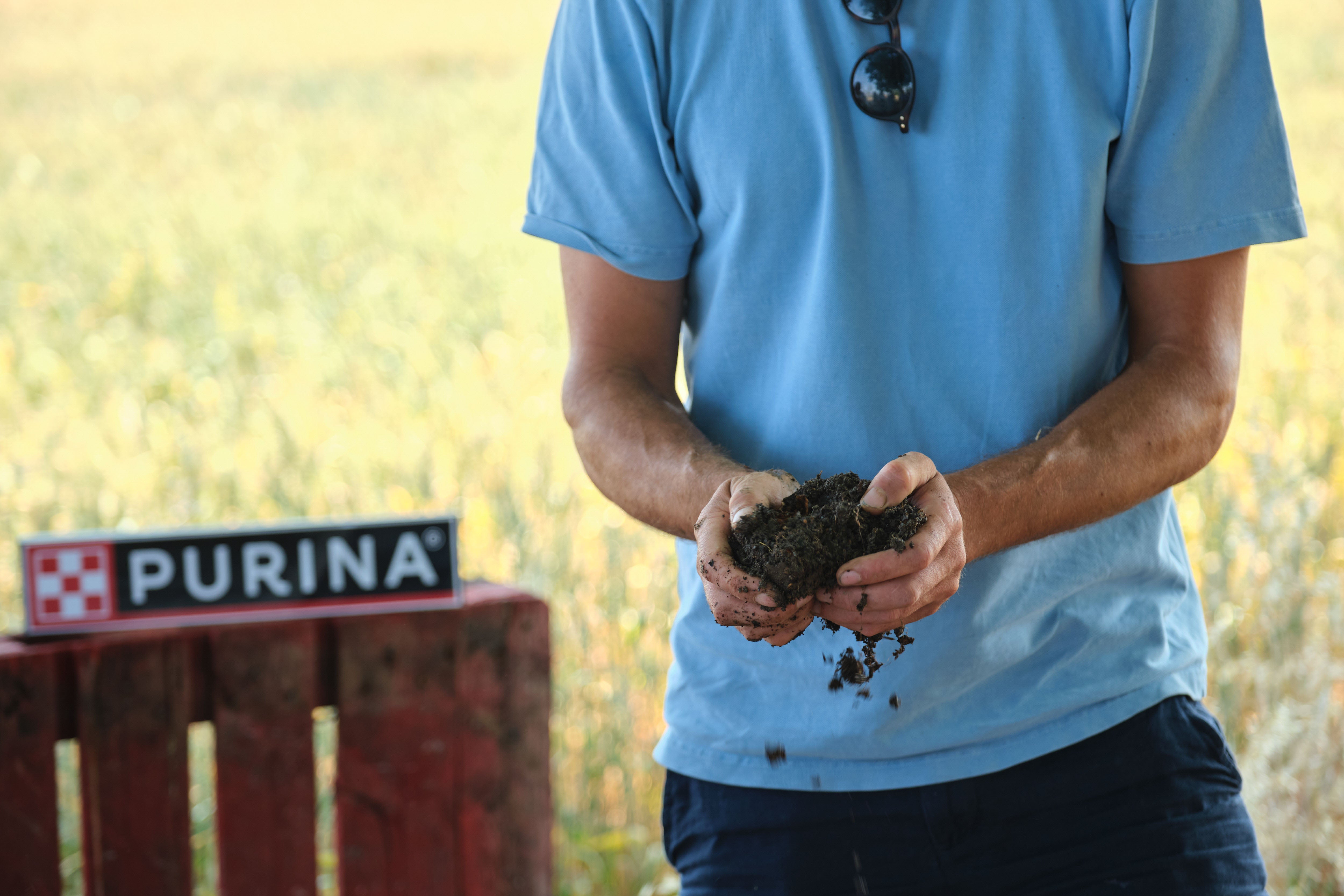
Donkin is one of 110 UK wheat farmers supported through a partnership between pet care brand Purina and Landscape Enterprise Networks (LENs). The initiative provides funding, practical tools and technical expertise to help cereal growers adopt regenerative agriculture practices across 8,000 hectares of UK farmland.
At Donkin Hill Farm, this practical transition centres on core regenerative techniques: replacing intensive ploughing with reduced tillage to protect soil structure, planting trees, and introducing winter cover crops to keep living roots in the ground year-round.
“Soil is not just something that holds a plant upright. It is a living resource that needs time and care,” says Donkin. “What is interesting is that many of the principles we are coming back to are things earlier generations of farmers would recognise immediately. From rotating crops, keeping the ground covered and looking after hedgerows, it’s not new.”
What sets modern regenerative farming apart is the application of soil science. Donkin uses microbial soil testing to analyse subterranean biological activity, allowing her to monitor soil recovery long before visual improvements appear above ground.
Restoring ecosystems and balance sheets
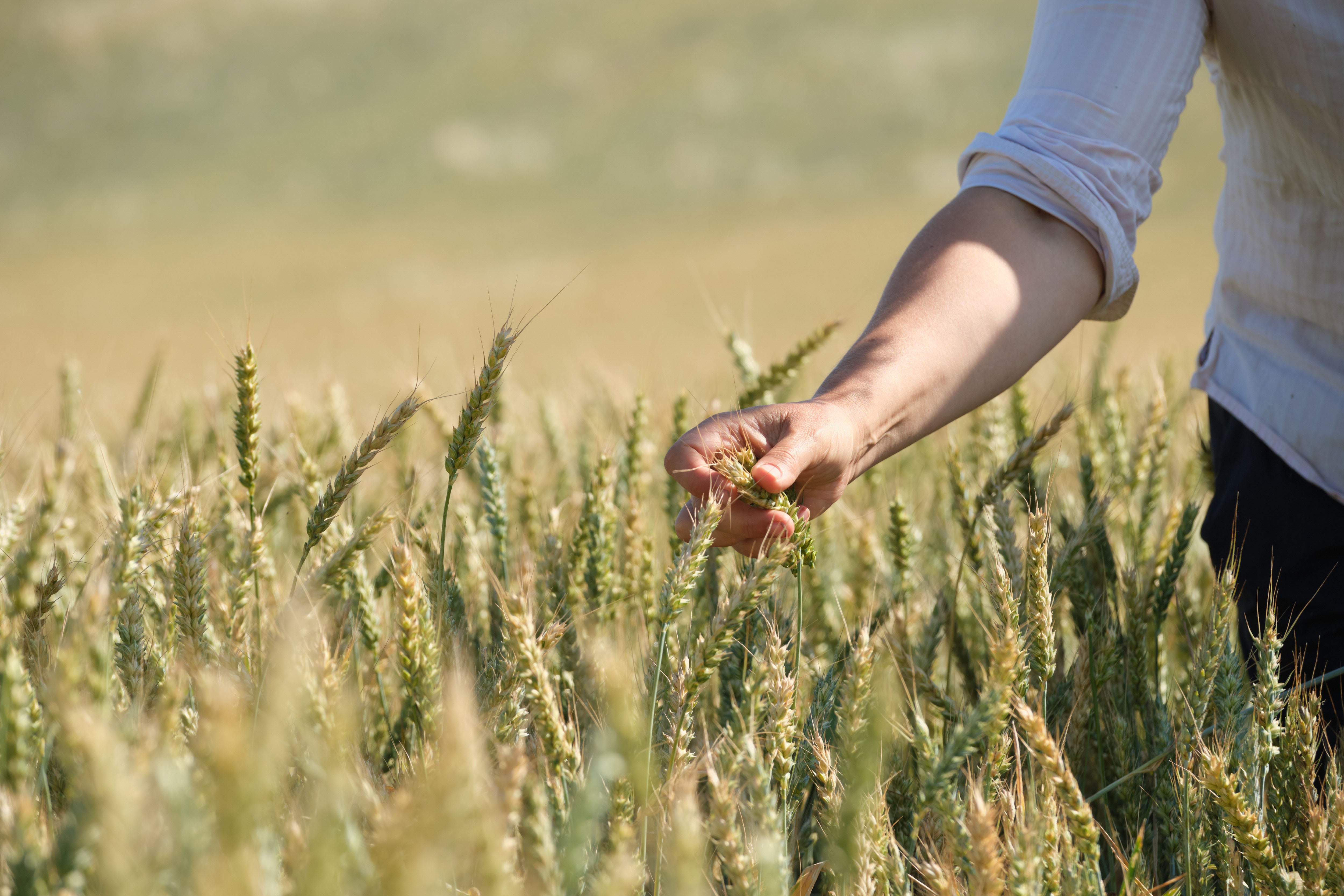
The practical benefits are already emerging on the balance sheet. By planting living cover crops, the farm has naturally improved nutrient cycling, helping to reduce its reliance on costly synthetic nitrogen fertilisers.
“Our cover crops are helping reduce the amount of nitrogen fertiliser we need, reducing costs and giving us an early measurable sign that some of the changes are working,” Donkin notes. “It does not offset a difficult summer, but it gives us something positive to build on.”
Beyond crop resilience, these on-farm interventions – alongside tree planting and hedgerow management – help capture carbon in the soil, improve natural water retention, and provide vital habitats for local wildlife.
Rebuilding farmland ecology is an ongoing process, but Donkin’s work demonstrates how support from companies like Purina helps individual farms build more resilience from the ground up.
“Rebuilding soil is a long-term process, and we are still early in the journey,” Donkin reflects. “This farm is part of our family history, and Purina’s support is helping us test, measure and adapt in ways we could not fund alone. We hope that what we’re doing now will help us, and the soil we work with, to be more resilient in the years to come.”
To learn more about Purina’s Regenerative Agriculture Programme Dig in at purina.co.uk/farming


