
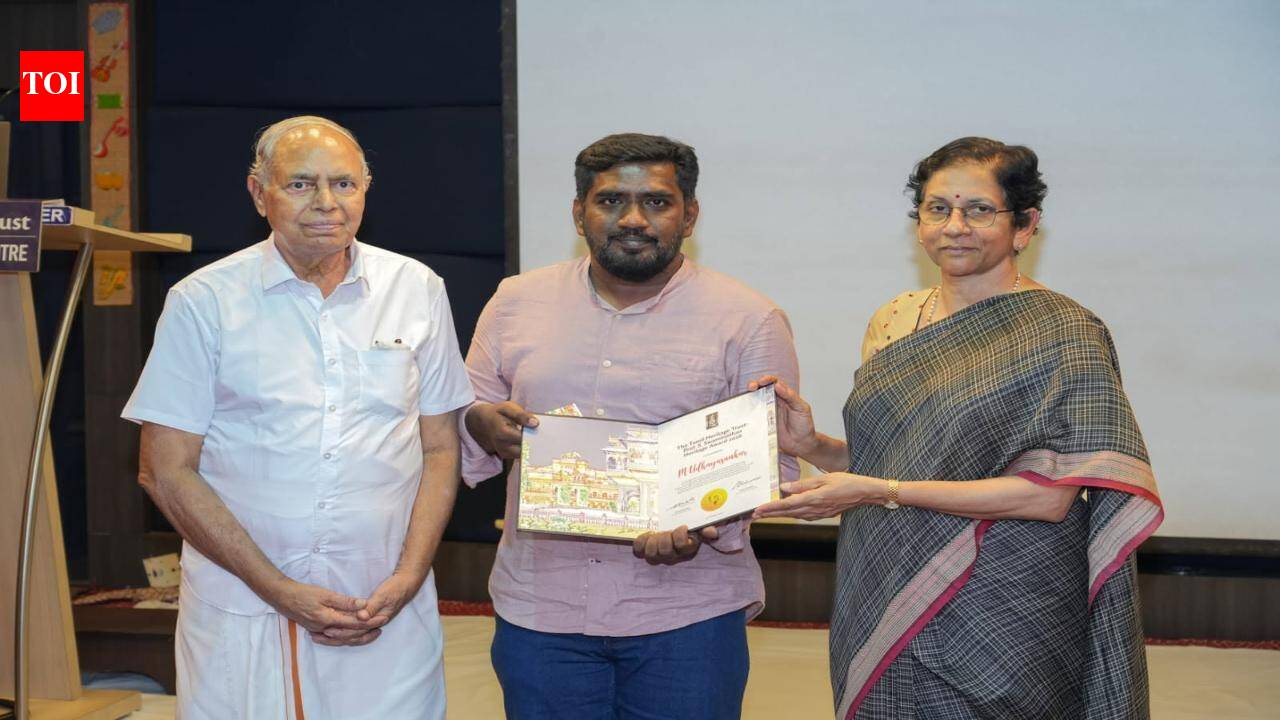
Udhaya Shankar was quite young in 2007. It was the time when the internet was still juggling to find its place in everyday life of Indian people. But even then, Udhaya, a young designer from Tamil Nadu thought of an idea which was to showcase the traditional kolam designs to the world. And now, nearly 20 years later, that modest initiative has grown into something far more significant.Udhaya, a full-time designer, has now created a digital platform that makes more than 8,500 ancient Tamil inscriptions searchable online. It is now helping students, researchers and history enthusiasts explore centuries of Tamil heritage.A remarkable contributionUdhaya’s contribution is quite significant and remarkable to heritage preservation which also earned him the THT Prof. S. Swaminathan Heritage Award 2026. Along with a citation, the recognition came with a cash prize of Rs 50,000. However, for Shankar, the real reward lies in making a part of India’s history accessible to people who might otherwise never get an opportunity to explore it.This is the story of Udhayam.in, the digital archive developed painstakingly.A website that began with 500 kolam designs
M Udhaya Shankar (PC: Tamil Heritage Trust)
Shankar is an engineering graduate with a passion to create kolam patterns and wanted to share his work with the world. Around 2007, he had digitised several designs but lacked the technical knowledge to build a website.He was then part of a Google group where he connected with its administrator. After hearing about Shankar’s collection, the administrator offered to help. Within just five days, they created Udhayam.in.How a font project turned into a heritage missionShankar’s journey into epigraphy, the study of inscriptions, began when he received a request to create a font for Tamil-Brahmi, one of the earliest forms of the Tamil script.But there was one problem which was he could not read Tamil-Brahmi at the time.Instead of turning down the opportunity, he decided to learn. With the help of books recommended to him, he began studying the ancient script and comparing how its letters appeared across different inscriptions. He also travelled to various locations, photographed stone inscriptions and worked towards standardising the letterforms.He then formed Adinatha Tamil-Brahmi font released in 2012Making centuries of history accessible with a few clicks
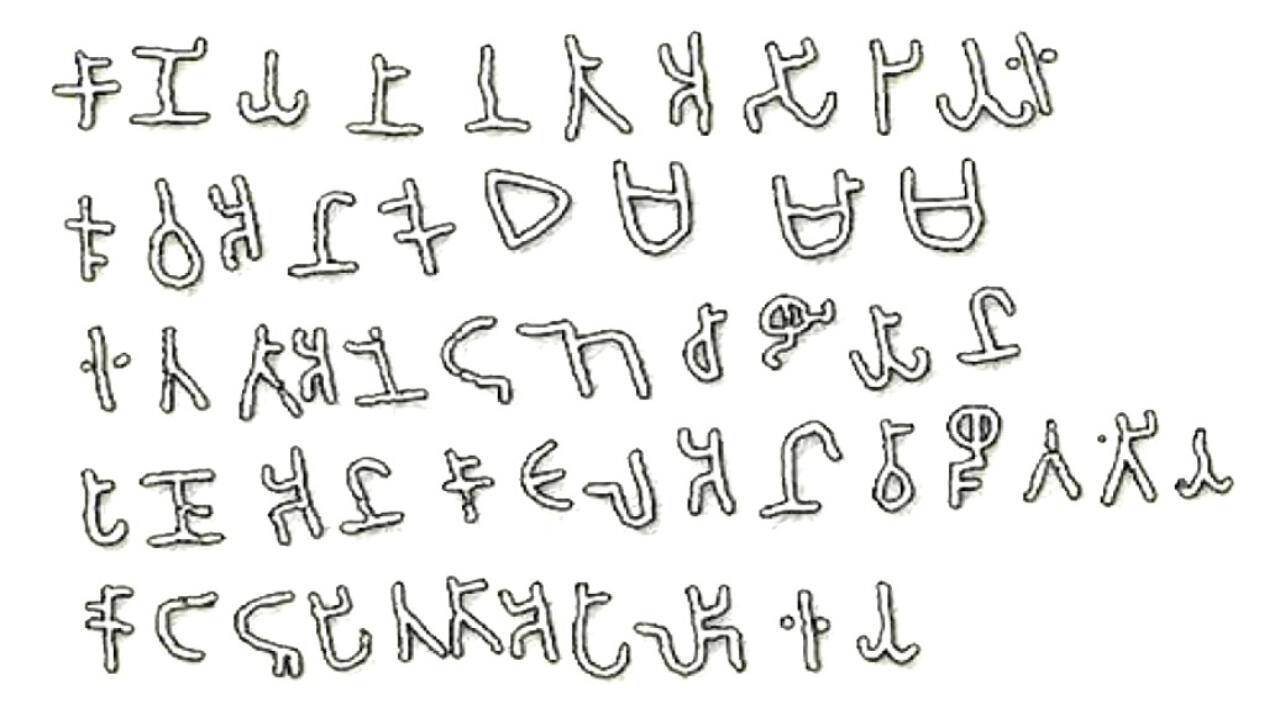
Tamil script (Wiki)
Today, the website has information on more than 8,500 inscriptions, including Tamil-Brahmi inscriptions. Users can explore them through details such as their dates, geographical locations, dynasties and rulers. There is also an interactive map to help users locate inscriptions, along with image and word mapping features.For Shankar, making the information accessible was only half the challenge. Ensuring its accuracy required years of painstaking research.One of his biggest difficulties was identifying the present-day locations of inscriptions mentioned in decades-old publications. Village names, district boundaries and administrative divisions have changed over the years, making it difficult to establish where certain inscriptions were originally found.In one instance, an old record identified an inscription’s location as Kirumuttugur in the erstwhile North Arcot district. After an extensive search, Shankar traced it to present-day Kilumuttukur in Vellore district’s KV Kuppam taluk.Six hours every day, and a dream that needs support
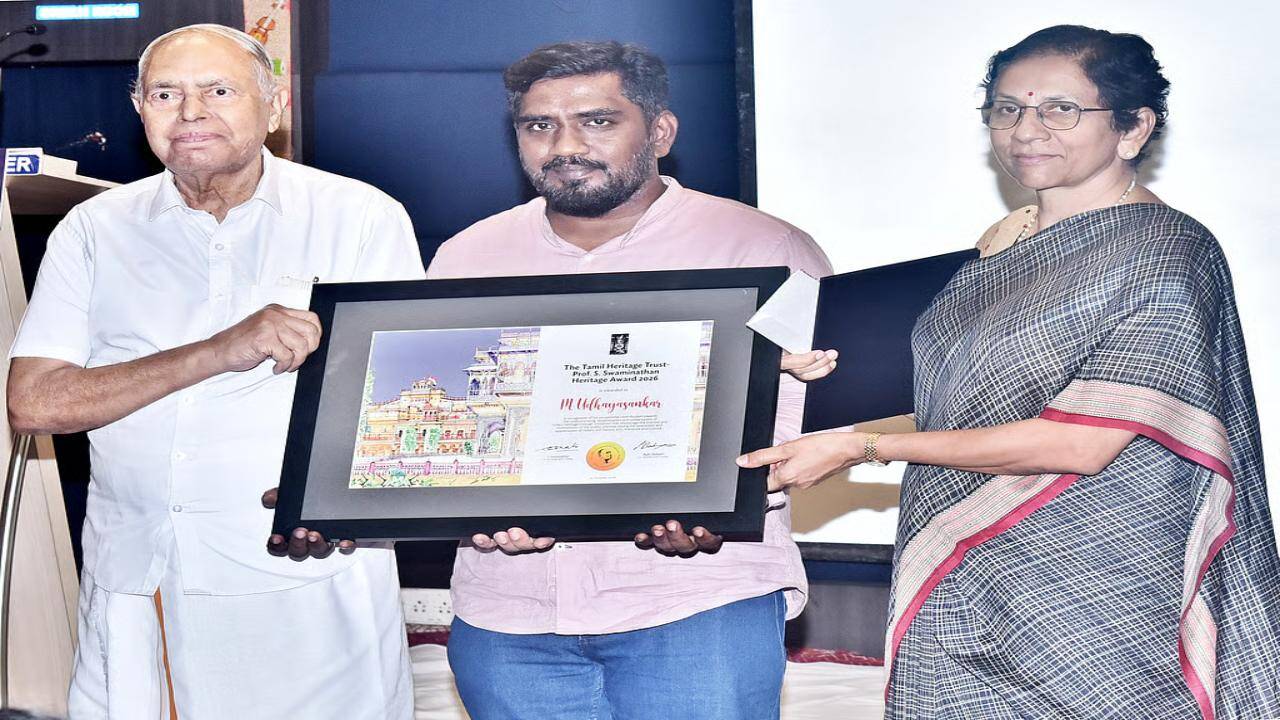
M Udhaya Shankar
What makes Shankar’s achievement particularly remarkable is that Udhayam.in is largely a one-person effort. He continues to work full-time as a designer at a private company while devoting an average of six hours every day to the heritage project.The financial commitment is equally significant. According to him, maintaining the platform costs close to Rs 10 lakh annually, with nearly 90 per cent of the expenses funded from his own pocket. Donations, including contributions in kind such as laptops, and help from volunteers make up the remainder. He has also engaged a handful of students to assist with typing inscriptions.Nearly 19 years after he first began sharing kolam designs online, the designer is now helping people discover stories etched in stone centuries ago.


