
Want to bookmark your favourite articles and stories to read or reference later? Start your Independent Membership today.
Already a member?
Log in
Some things rarely cross our minds until they suddenly demand our full attention – and this time of year is no exception.
Minor issues with the home tend to escalate as the weather turns colder, with people naturally spending more of their time tucked inside away from the elements.
Drying clothes indoors or taking hot showers generates moisture, yet we’re less likely to ventilate our homes, forcing all that trapped moisture to go somewhere, usually settling directly upon the coldest available surfaces.
“I’ve always got my windows open, even if it’s minus five degrees outside,” quips Lynsey Crombie, This Morning’s resident home expert, also known for sharing cleaning tips on social media (@lynsey_queenofclean).
“Once we we start closing everything in, and not having that air circulating, that’s when the problems start.”
Easy to overlook, especially when it’s cold and raining, Crombie says it’s still important to keep your windows open for fresh air.
“If you’ve had a bath or a shower, it’s common sense to have the window open for 10 minutes to dry the bathroom out.
“If you don’t do that, you’re going to get serious mould build-up, aren’t you?”
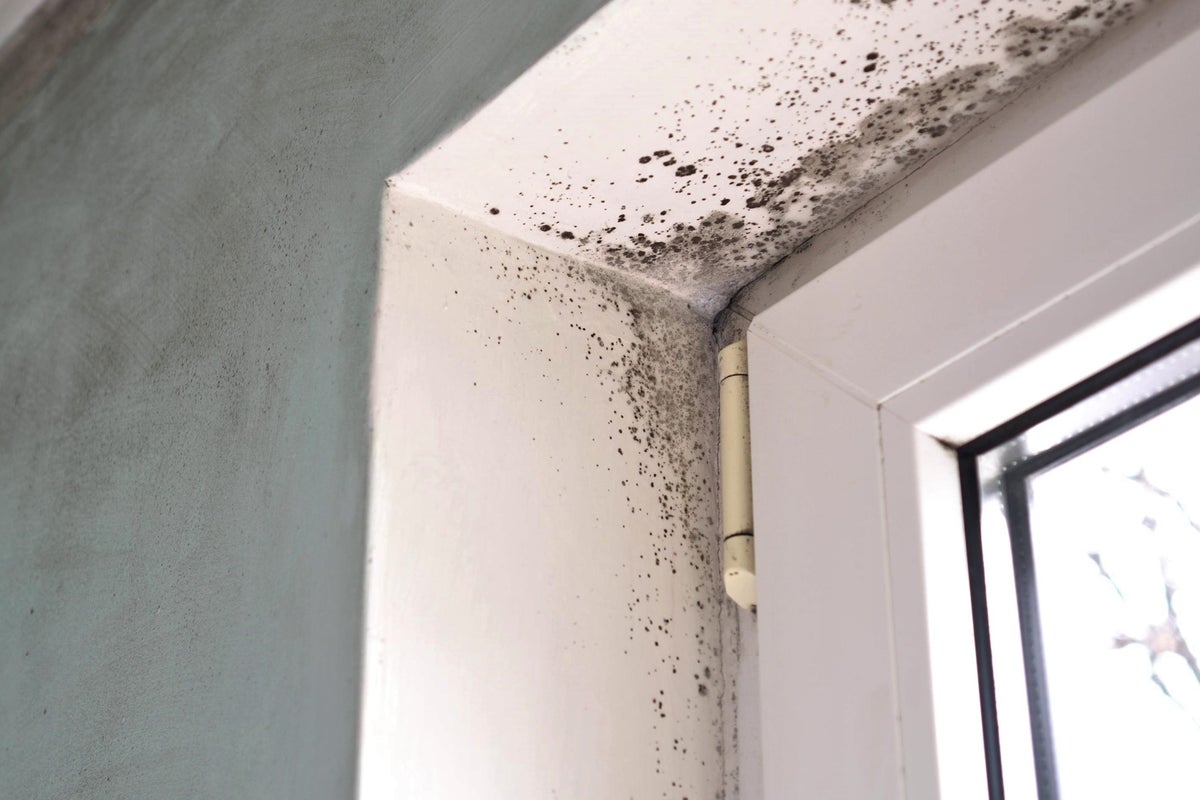
To spot the warning signs before mould takes hold, these are the first places the Queen of Clean says to check, including a few that are easy to overlook…
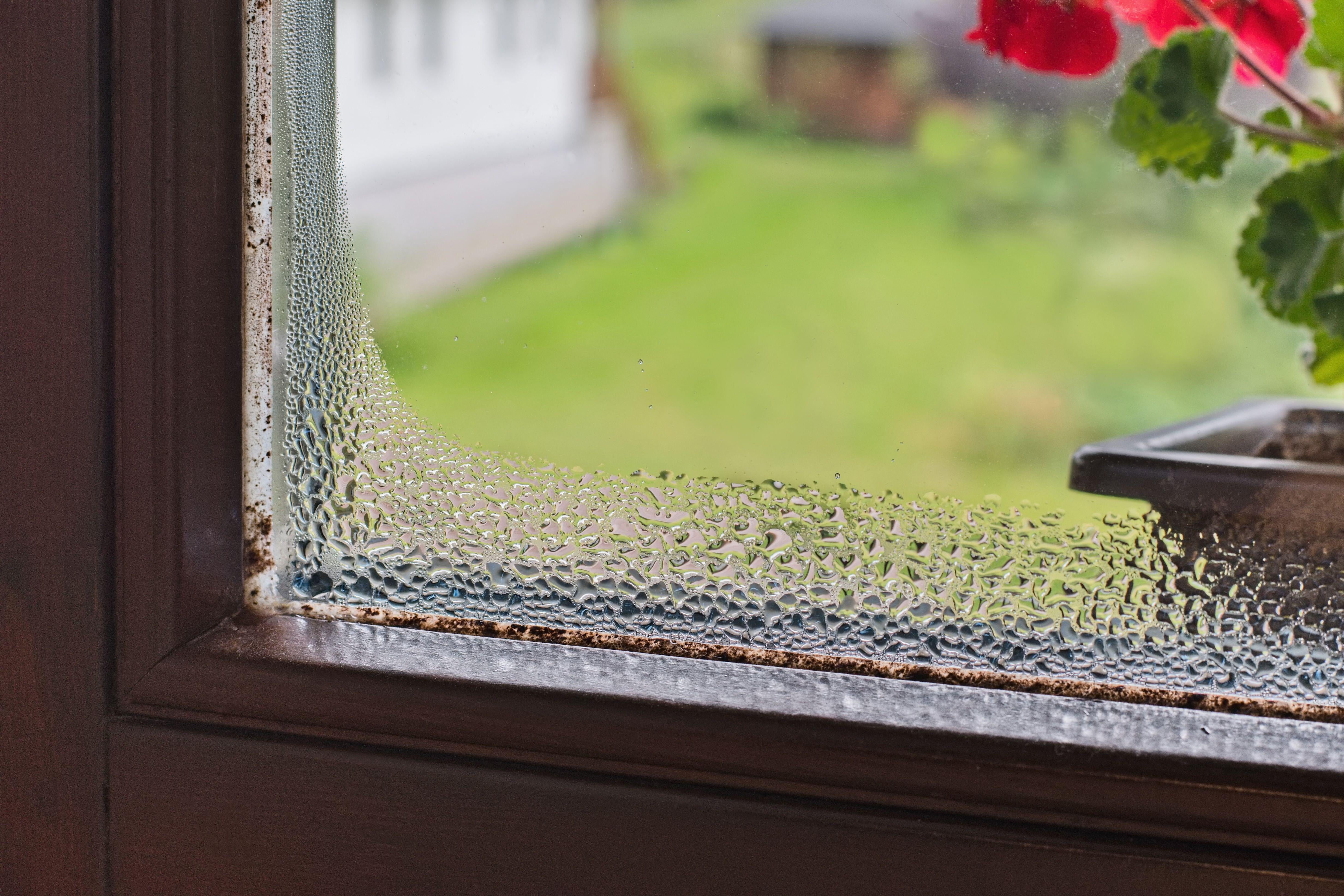
Around windows
“Windows are one of my first checks. Condensation collects on cold glass, then runs down onto the frames, seals and sills.
“If those areas stay wet day after day, mould can begin to appear. Wipe away condensation when you see it, and pay particular attention to the corners of the frame,” highlights Crombie.
Bathroom ceilings
A hot shower fills the bathroom with warm, damp air, which rises towards the ceiling…
“If the room isn’t well ventilated, you might notice small dark spots appearing, especially around the edges and corners.
“Run the extractor fan during your shower and leave it on afterwards to help clear the moisture. I’d also leave your bathroom window open a little while showering,” she adds.
Shower screens and seals
As she points out, the silicone around a shower screen or bath can stay damp long after you’ve finished washing – add soap residue, and it’s easy to see why little black marks start appearing.
Along with giving the seals a regular clean, her top tip for shower screens: “Keep a squeegee in your bathroom. So, whenever you finish your shower, it takes literally less than 30 seconds to squeegee that water off and dry your shower screen out.
“That way, it’s easy to clean, and number one, it’s going to prevent any mould and mildew.”
Inside kitchen cupboards
“Where you boil the kettle, when you’re cooking food, and you’ve got the hob on and there’s steam and water – and maybe not cleaning up as quickly as you should.
“It’s those cabinets that suffer more, and it’s not always shown on the outside. Sometimes it goes straight to the inside, and you see it [mould] where you’re storing your food or glasses.”
Take everything out occasionally and give it a good clean.
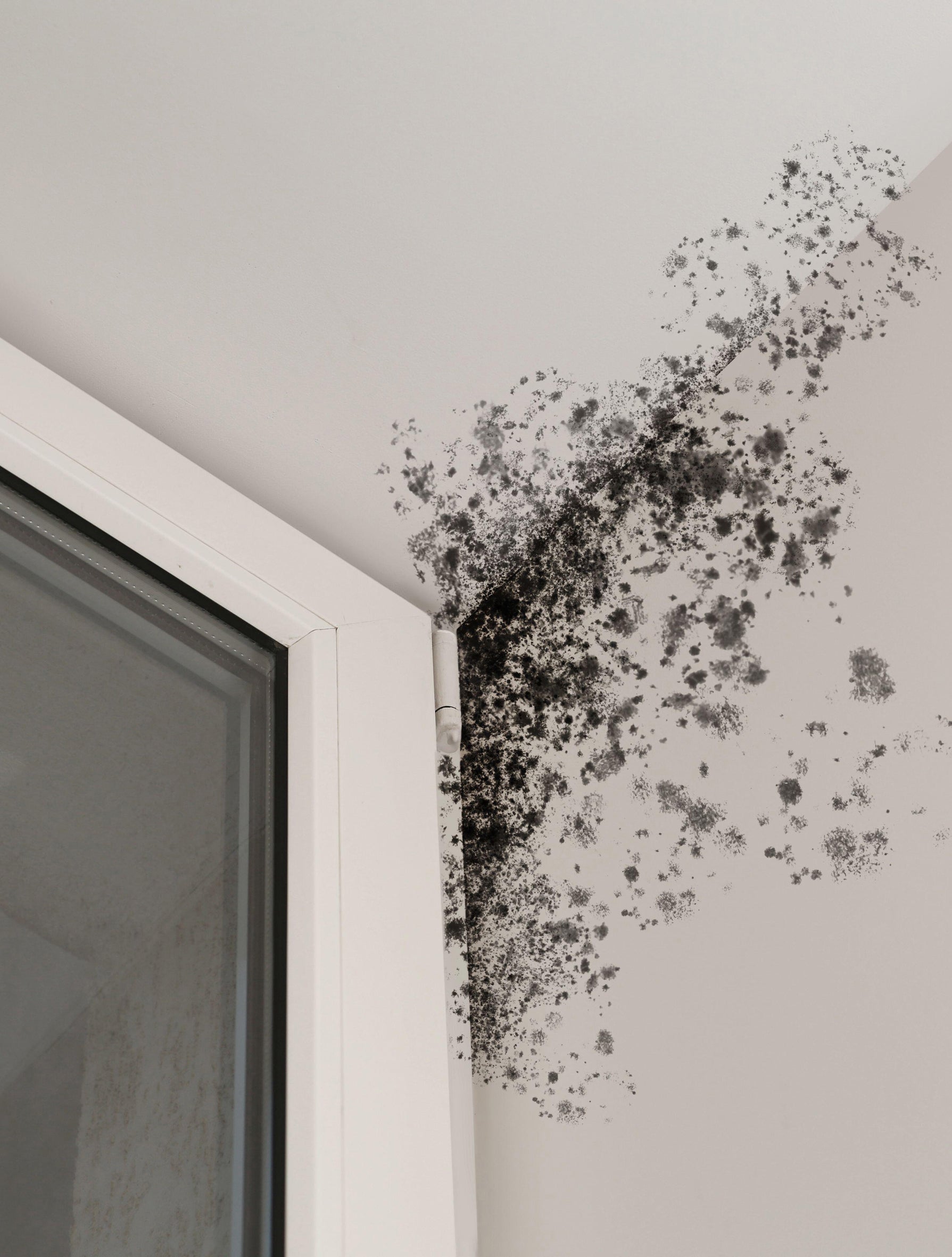
Behind wardrobes and large furniture
If a wardrobe is pushed tightly against an outside wall, air can’t circulate behind it. “That hidden space may become cold and damp, particularly in a bedroom.
“Leave a small gap where possible and pull furniture forward now and again to check the wall,” suggests Crombie. “And keep your wardrobe open from time to time – and the bedroom window.”
Around curtains and blinds
Another culprit, curtains and blinds can hold damp air against a cold window, especially if they stay closed for much of the day, notes Crombie.
“Some people never open their curtains, and they sit in that trapped water from October to March, and you can see the mould on the bottom of people’s curtains.
“That’s not pleasant, is it? But again, it just comes to lack of ventilation, and it’s such a simple solution… just ventilate your home.”
So if you regularly wake up to condensation, she says to open them in the morning, wipe the glass and give the area a chance to dry.
Around washing machines and tumble dryers
“I always say, all year round, when you’ve taken your washing out of your tumble dryer or washing machine, leave the door open for a bit.
“I know it can be a bit of a hindrance, and it can be in the way, but it needs to dry out. Otherwise, you’re just trapping all that moisture back into the drum.
“It makes it smell, so your washing’s not clean, and that’s when the mould builds up.”
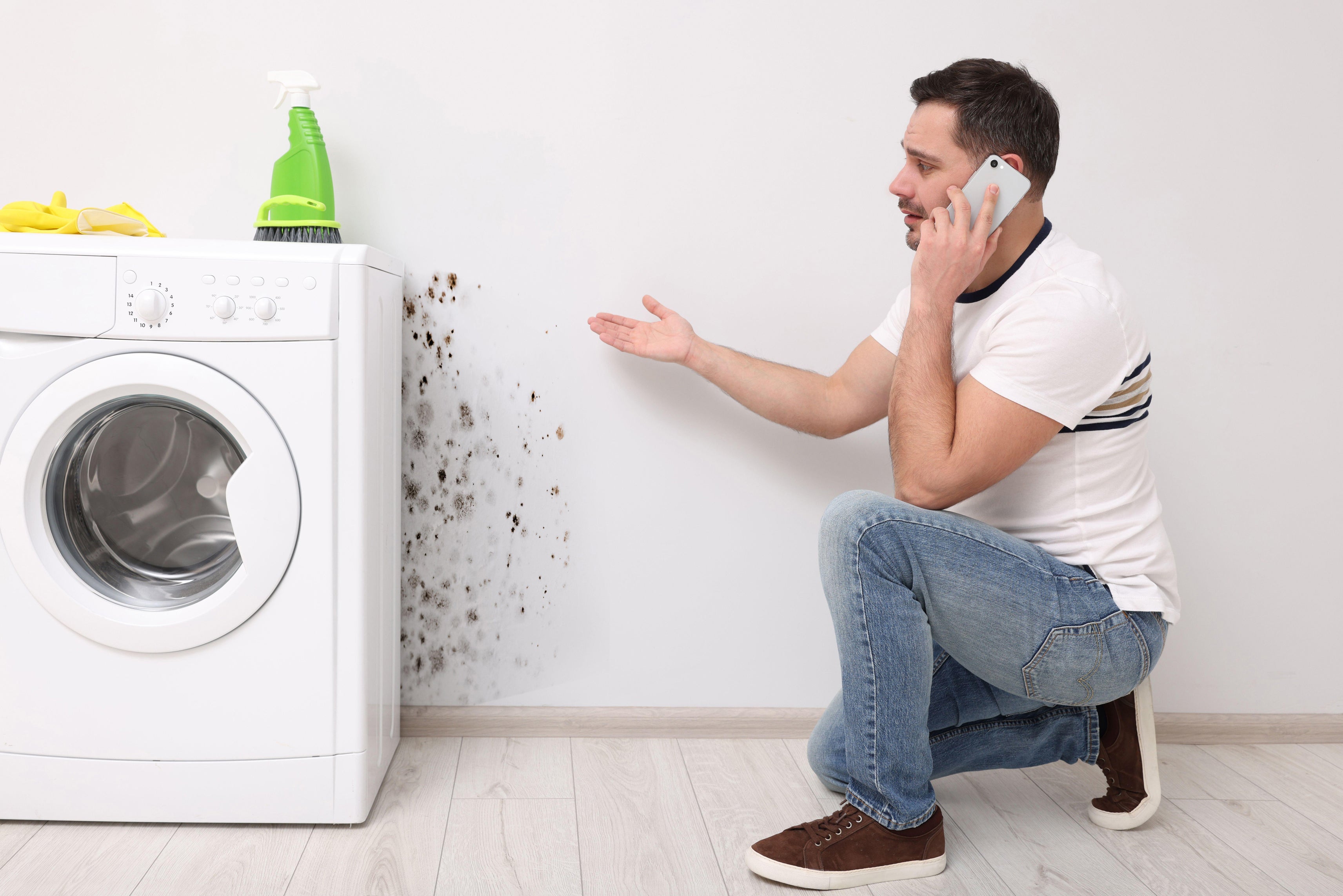
She also says to check underneath and around the back of your washing machine and tumble dryer for damp patches. “Laundry areas can get surprisingly humid, and a small leak behind an appliance may go unnoticed.
“If you use a tumble dryer, make sure it’s installed and maintained according to its instructions, so the moisture goes where it should.”
Along skirting boards and in cold corners
The corners of a room and the space behind a sofa or bed often get very little airflow, underlines Crombie, and says to check skirting boards and outside walls for dark patches, dampness or a musty smell.
Moving furniture slightly away from the wall can make a difference, she adds.
In fridge and freezer door seals
“Those little rubber folds can collect crumbs, food spills and moisture, yet they’re rarely at the top of anyone’s cleaning list,” she highlights.
“And they smell… again, you’re trapping moisture into a space. I normally just get a blunt knife, put some kitchen roll around it with some white vinegar, and run it through the rubber seals.
“That’s a really good way to clean it, once a month. You don’t have to do this every week, and it will stop the mould build-up as well… you don’t want a mouldy fridge.”

Queen of Clean’s biggest autumn tip
Don’t wait until you can see mould before you deal with moisture…
“Once it starts, it can spread very quickly. So just do a little manual check every so often. And if you are prone to condensation in your house, it’s even more important to do those checks.”
Moreover she says to use extractor fans, open windows when practical, keep air moving around furniture, and wipe away water instead of letting it sit all day.
A few minutes of prevention now could save you a much bigger cleaning job later, suggests Crombie, and a room spray can be a nice finishing touch.
“I make my own with bicarbonate of soda into water, then add a few essential oils.
“So that way you can tailor it to the season… orange and cinnamon this time of year works really well,” suggests Crombie.


