

A man who was diagnosed with a rare bone marrow cancer at age 22 has called on more people to sign up to the stem cell register after a transplant “saved” his life.
Raj Parmar, now 33 and living in Leicester, was diagnosed with myelofibrosis in October 2015 when an optometrist spotted blood in his eyes during a routine eye test.
Despite feeling fit and healthy, a subsequent bone marrow biopsy confirmed the presence of the rare cancer. The condition affects bone marrow and is more common in people over the age of 60, according to Macmillan.
While Raj’s disease progressed relatively slowly for several years, by 2020 his condition became so severe that he needed to have a stem cell transplant, which Macmillan says can be a cure for the disease in some patients.
The transplant was successful, and Raj is now considered a survivor, but he notes that without the selflessness of his anonymous stem cell donor, he may not be here today.
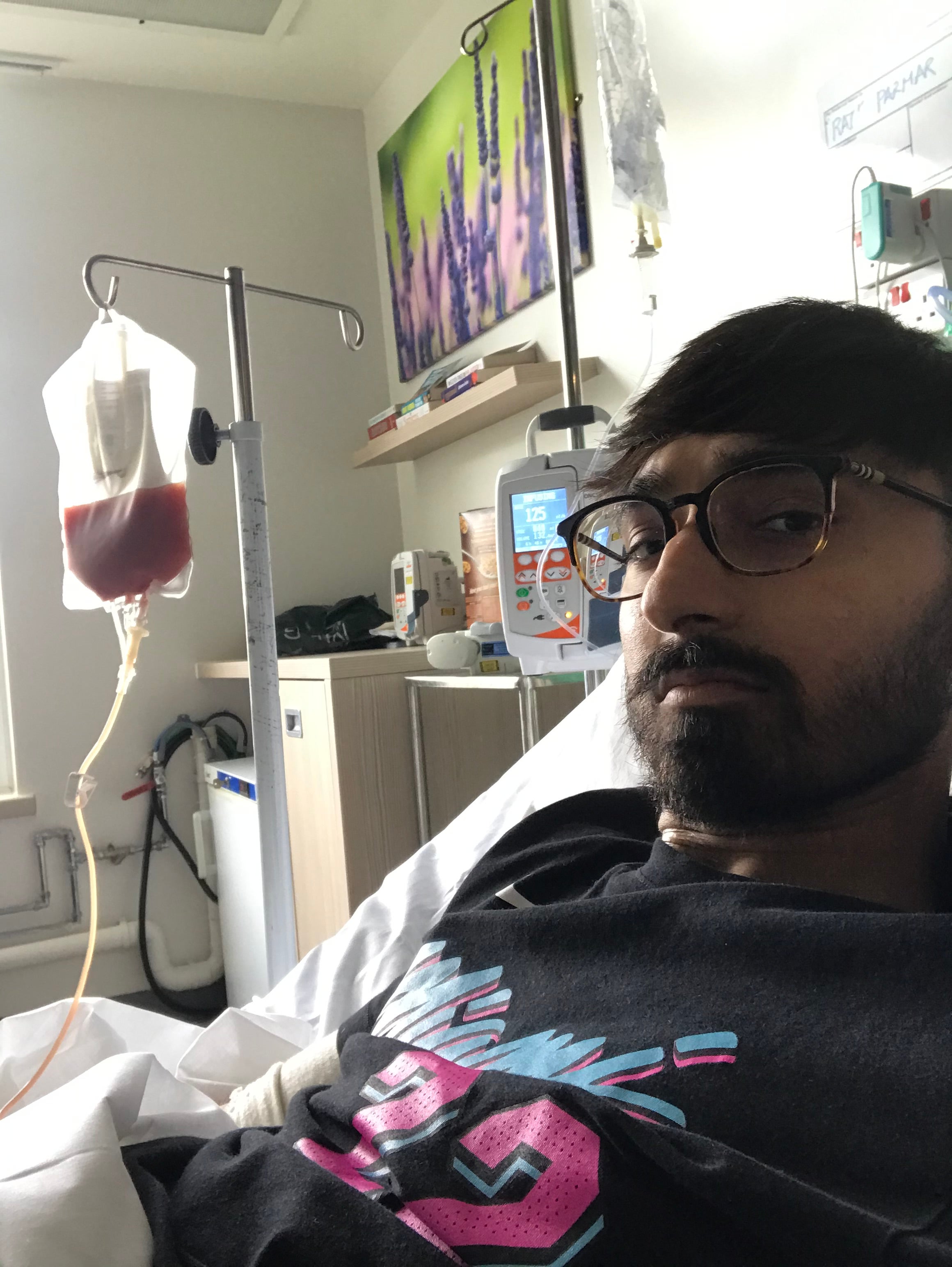
Prior to his routine eye test in October 2015, Raj said he felt generally well.
However, at the appointment the optometrist noticed some blood behind his eyes, and recommended he visit his GP in case it was a sign of something more serious.
Raj, who was living in Cardiff at the time after graduating from the University of East Anglia (UEA), had some blood tests at his GP before being referred to his local hospital for more tests, including a bone marrow biopsy in October 2015.
The biopsy revealed that Raj had myelofibrosis, a rare disorder of the bone marrow, causing scarring and abnormal blood cell production, according to the NHS.
“It was all quite sudden and quite shocking,” Raj said.
“It led to a lot of uncertainty. They knew at the time that I would definitely need a bone marrow transplant – that’s the only curative treatment for that blood condition.
“They said it could be as soon as six months, but it could wait potentially 20 to 30 years, depending on how the condition progresses and how aggressive it was.”
Raj needed to go to hospital for appointments every few months, to check his blood cell counts and monitor the progression of the disease.
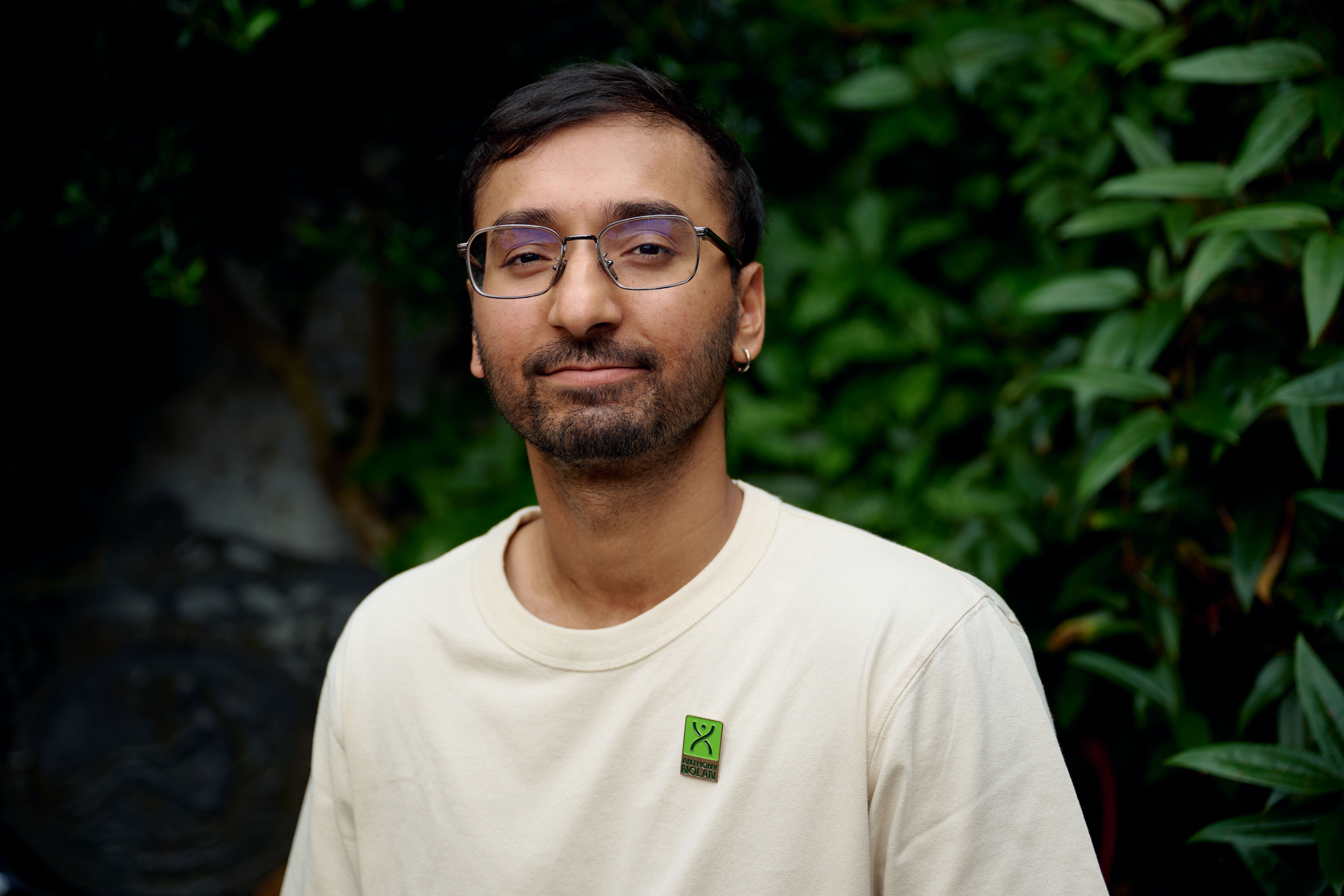
Meanwhile, he said he tried to “live as normal a life as possible, but always under the knowledge that I’ll need that very serious treatment at some point in the future”.
As time progressed, Raj’s symptoms became more severe.
He experienced bloating as a result of an enlarged spleen caused by the cancer, as well as “itchiness and night sweats”, and he realised his “health was deteriorating”.
Meanwhile, his blood cell counts were also decreasing – a sign that his bone marrow was failing to work as it should.
By January 2020, Raj recalled, “it got to a stage where my blood counts were pretty low, and they said: ‘We really recommend going for the transplant now’.”
“At the time of diagnosis, they were already thinking about who would be the donor,” he added.
“I have one sibling, one older brother, and he was tested at a time but wasn’t found to be a match.
“So they did look on the registry, and that’s where I was actually fortunate and able to find a 10/10 match.”
General symptoms of myelofibrosis
Blood Cancer UK
Common symptoms include:
- extreme tiredness (fatigue)
- losing weight without trying
- drenching night sweats
- unexplained fever
- itching, sometimes particularly after a hot bath or shower
- general weakness
- feeling full up very quickly when trying to eat
According to stem cell charity Anthony Nolan, the matching process for stem cell donors involves analysis of human leukocyte antigen (HLA) tissue type.
HLA is made up of six genes, each of which has two versions, making 12 in total – meaning the optimum match would be a 12/12 match.
In some cases, five HLA genes are included in the matching process rather than six, making the ideal match a 10/10.
Raj’s transplant was due to take place in March 2020, but due to the onset of the Covid pandemic, it was delayed until September.
“The treatment lasted six weeks, with Raj staying in hospital unable to see his family due to lockdown restrictions.
“The first 10 days are what they call the conditioning regime,” he explained.
“Basically, you get high-dose chemotherapy and it kills off your existing immune system, and the unhealthy bone marrow as a result of the condition.
“You count downwards from minus 10 up to day zero, and then day zero is the actual day when you have the stem cells transfused into your body.
“Then, I guess, it’s a bit of a waiting game.”
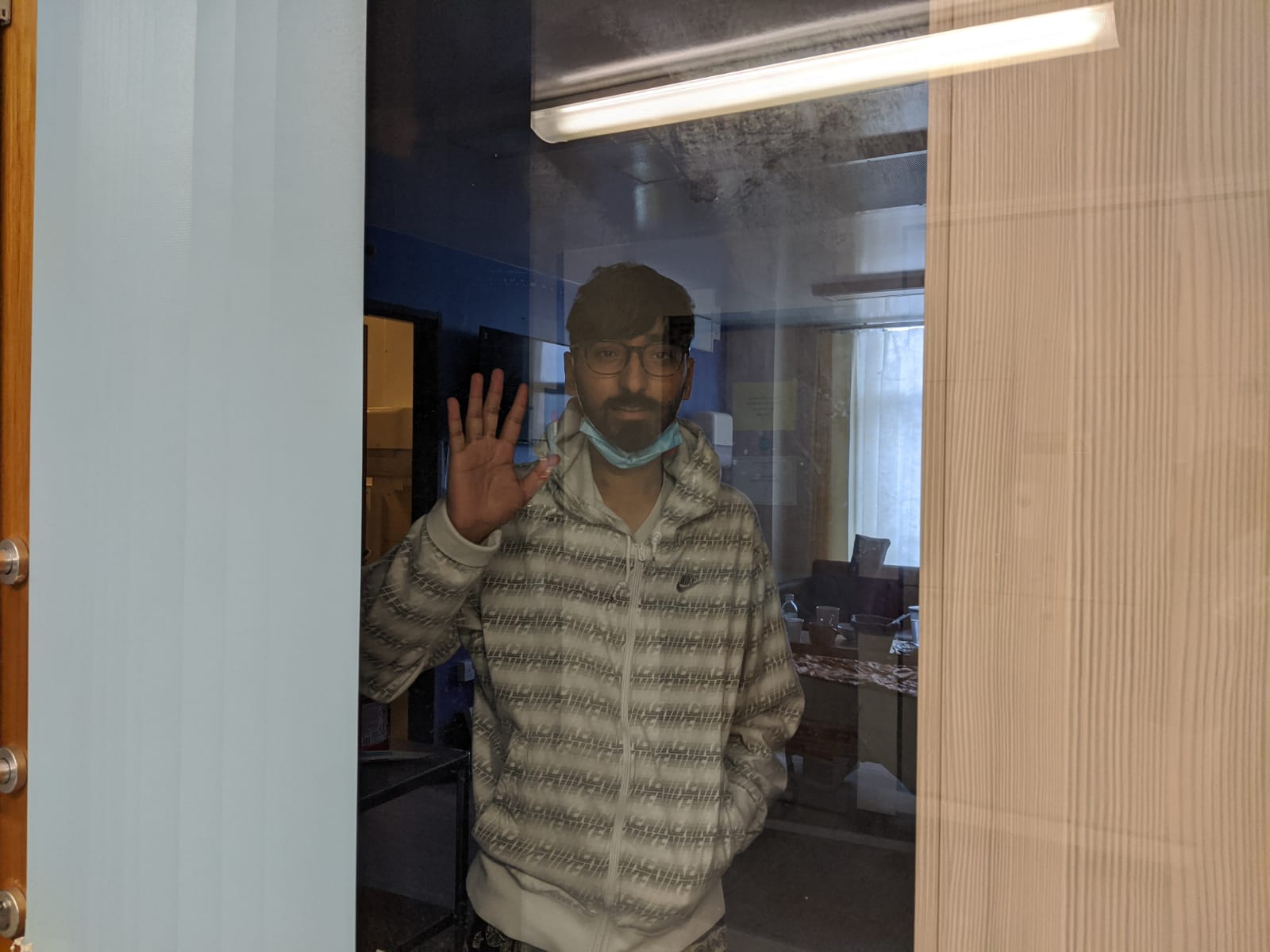
Raj said he didn’t have many side effects from the transplant itself, but that the chemotherapy made him very ill: “I lost a lot of weight; it caused mucositis – really bad gum issues – I was not really able to eat or drink anything.
“At one point I did have to have TPN, feeding through your veins. I just physically wasn’t able to eat anything.”
“It was just a case of just trusting the process,” he added.
In November 2020, Raj was discharged from hospital, but said for the following nine months he was “reliant on blood transfusions” to manage his blood counts while the new cells grew in his body.
“I lost count, but I think I estimated around 100 blood platelet and plasma transfusions over that nine-month period,” he said.
“Gradually, the transplant was clearly working and I was starting to not be as reliant on those blood transfusions.”
From September 2021, Raj’s appointments were reduced from being very regular to every three months, then every six months.
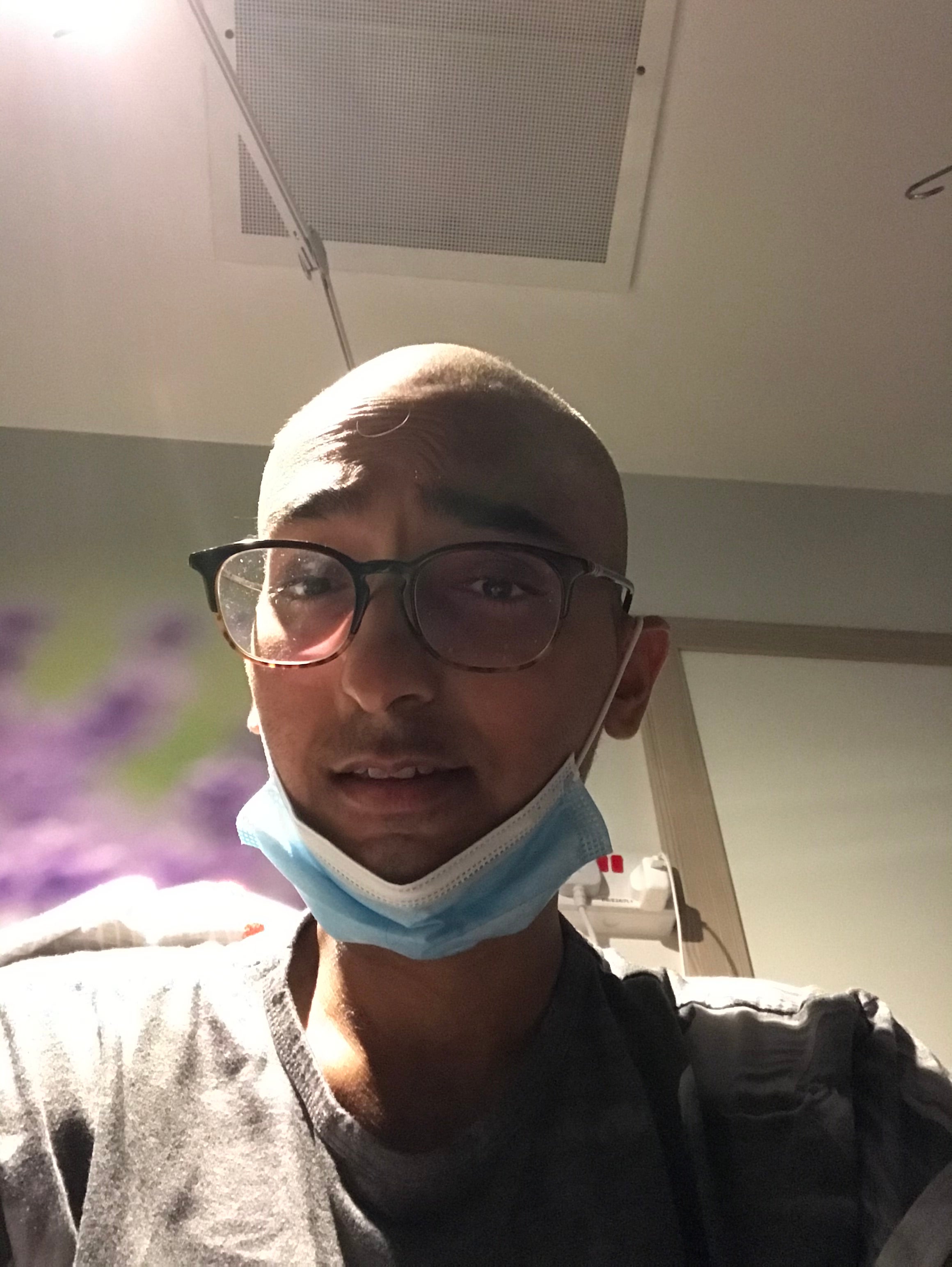
After three years, he was considered a “survivor”, and now only needs to attend the hospital once a year to check that the body is still producing healthy cells and there is no sign of relapse.
Now, Raj said he has “been feeling really good”, and is “probably the most active I’ve ever been”.
He added that the transplant has “absolutely saved my life”, and said that it was a “relief” that a match was available for him – knowing that because he’s of Indian heritage, he had a lower chance of finding a good match.
According to stem cell charity Anthony Nolan, while a donor match could be from any ethnicity or heritage, patients are more likely to find a successful match from someone of a similar heritage.
However, two-thirds of registered donors worldwide are from Europe and North America.
Raj noted that “there are so many thousands of patients around the world” in need of a stem cell transplant, and urges anyone who is able to join the stem cell register and “give someone a second chance”.
By placing real stem cell transplant recipients, including Raj, alongside empty seats for those lost, Anthony Nolan’s ‘Half a Chance’ campaign aims to inspire urgent action, raise vital funds to drive continued research for the ANRI, and push for a future where every blood cancer patient gets a second chance at life, like Raj did.
To find out more, visit: anthonynolan.org/help-save-a-life/join-stem-cell-register

