

Want to bookmark your favourite articles and stories to read or reference later? Start your Independent Membership today.
Already a member?
Log in
When the “girl math” trend blew up on TikTok, I couldn’t help but feel frustrated. Yes, sometimes returning clothes feels like you’ve made money, even when you haven’t. But the large majority of women I know aren’t fooling themselves about their finances. Instead, they’re counting every penny to make ends meet during a cost of living crisis that has hit women the hardest and caused the gender financial wellbeing gap in Britain to widen even further, with women more likely to have lower wages and childcare responsibilities, and less likely to have savings or money for fun than men.
On top of this, we’re also contending with the Pink Tax: when products and services marketed towards women cost more than men’s comparable products, despite serving the same purpose with the same quality, if not better. For example, browsing for black Calvin Klein thongs on Amazon, I came across a three-pack for £36. Meanwhile, men’s boxers, which use far more material and contain 5 per cent more cotton, cost just £25.97.
Often, it’s assumed that Pink Tax only covers female-specific items: tampons, sanitary pads, and HRT, for example. These non-optional extras shouldn’t be ignored – on average, women spend £2,418 a year on female-specific costs, with nearly a quarter of women now cutting back on food or household bills to afford personal care products, new research from Clearspring has found.
However, gendered pricing covers a far wider range of products than this, as the practice sits in a grey area and is yet to be made illegal for retail businesses in the UK. So brands are able to sidestep the Equality Act by adding a scent, changing a colour, or slightly altering packaging to claim that the same product is distinct.
As each pay-cheque is spread even more thinly than the last, this sneakiness begins to enrage me with even more persistent force. After the thongs, I noticed that a men’s basic white cotton T-shirt (£5) is half the price of the women’s one (£10) in Tesco, until the latter version was finally reduced to the same amount as the men’s in the sale – bargain!
It’s a truth universally acknowledged that all of your toiletry products will run out at once. Ordinarily, a trip to buy shampoo, deodorant, sanitary products, razors and shower gel fills me with dread; In 2026, a trip to Boots or Superdrug can set me back about £30 for the basics. That is just under what I allow myself to spend on a weekly food shop, while my boyfriend has the capacity to spend around double that on his food.
Toiletries are one of the worst product areas for Pink Tax, with women paying nearly 40 per cent extra for their lower-cost essentials on average, Co-operative Bank has found. So on my next trip for toiletries, I bought men’s products from the brands I ordinarily shop from and saved £6. Add on what I didn’t spend on sanitary products (by using the supply at work – a luxury not all women have, with one in 10 now in period poverty) that rose to £11: easily enough for some extra food items in my shop.
While a bathroom re-stock isn’t a weekly activity, these price inflations happen all over the place, from clothes and cosmetics to even children’s toys. Over on TikTok, one woman was brave enough to get a haircut in her boyfriend’s barber shop to save some cash. The outcome was surprisingly perfect and cost her £7, rather than £40.
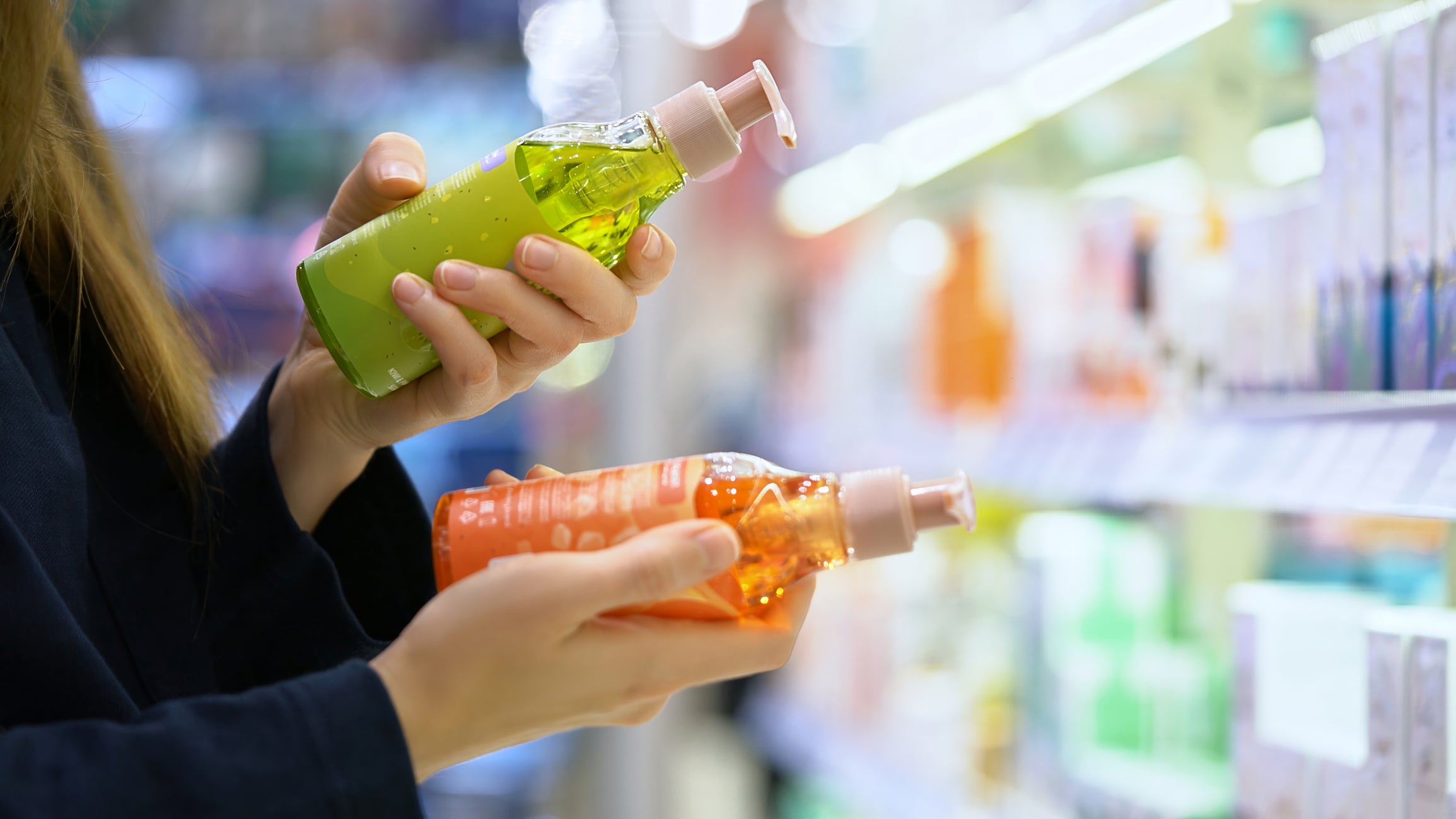
While swerving the Pink Tax is semi-possible on items that aren’t sanitary products or HRT, surely brands should not be slyly attempting to shaft female shoppers – many of whom are already paid less, have suffered the “motherhood penalty”, or have fallen into the gender pension gap.
MPs in the UK have previously attempted to challenge this practice, with Liberal Democrat Christine Jardine introducing her Gender-based Pricing (Prohibition) Bill in the House of Commons in 2019. The government responded, saying that charging different prices didn’t automatically indicate discrimination and the bill failed to advance by the deadline in 2021, despite cross-party support for Jardine’s proposal from both Labour and Conservative MPs. Five years on, the situation is largely the same.
In the wake of Jardine’s initial debate, supermarkets like Tesco committed to making women’s razors the same price as men’s. After a Change.org campaign, Boots also reviewed the prices of certain cosmetic products. However, without policy over gendered pricing, there is no consistency across the high street, and prices can slowly creep back up as brands introduce new lines.
“I think there are bigger issues that we have to deal with, which is general societal misogyny, which we see everywhere,” Jardine says.
“We need to address through small, individual things, like Pink Tax on women’s products – and be aware of it more widely. Medical misogyny, the manosphere: we’re seeing all sorts of problems. Deodorant and haircut prices are a symptom of the fact that there is still a deep-rooted everyday misogyny which we have to overcome.”
“The pink tax exists purely for profit,” echoes the equality for girls charity Plan International. “Businesses think that women are willing to pay more for some products than men. So, they market these products differently to women,” the charity concludes, recommending legislative and policy pressure to provoke corporate responsibility. But, until then, where you can as a consumer, shopping like a man is the best thing you can do to save yourself money — and avoid being mugged off.


