
NEWYou can now listen to Fox News articles!
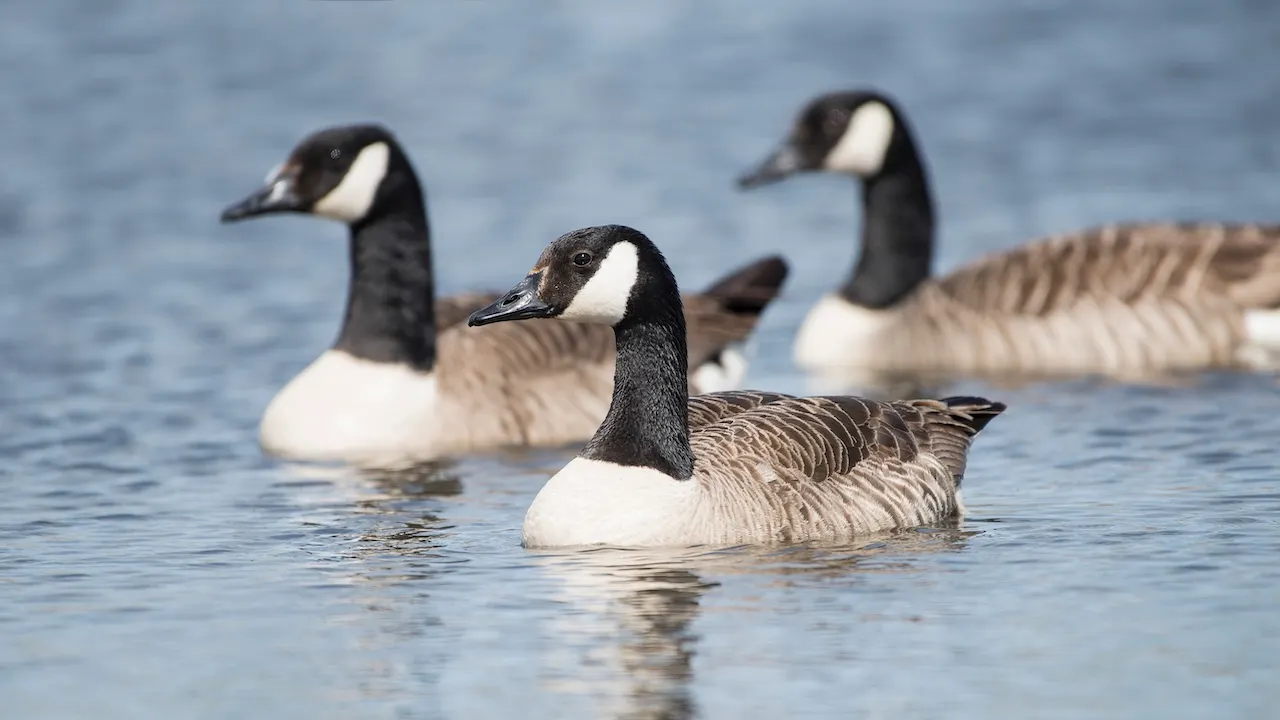
Hundreds of geese have reportedly died in New Jersey, and bird flu is suspected to be the culprit.
More than 1,100 dead or sick wild birds — almost all of them Canadian geese — were reported between Feb. 14 and Feb. 16 across seven counties, according to New Jersey’s Department of Environmental Protection (DEP).
Although tests are still pending, officials say the deaths were likely caused by highly pathogenic avian influenza (HPAI), more commonly known as bird flu, which is a respiratory disease of birds caused by influenza A viruses.
POPULAR HONEYMOON DESTINATION FACES AVIAN MALARIA THREAT, SPREAD BY MOSQUITOES
“I find the images of the dead and dying birds very troubling, unsettling, and a reminder that avian flu continues to be present,” David J. Cennimo, MD, associate professor of medicine and pediatrics and an infectious diseases specialist at Rutgers New Jersey Medical School, told Fox News Digital.
“It is important to note that at the time of this writing, the cause of death has not been announced, and bird flu is only strongly suspected, but the picture is consistent with avian influenza, and there is a good reason for the high-level suspicion.”
Hundreds of geese have reportedly died in New Jersey, and bird flu is suspected to be the culprit. (iStock)
Some local parks have temporarily closed out of an “abundance of caution,” including Betty Park and Alcyon Park in Gloucester County.
“Residents are asked not to approach any geese in or around the area,” the Borough of Pittman advised in a social media post.
Common symptoms of HPAI among birds include diarrhea, coughing, sneezing, discharge from the nose and lack of coordination, according to DEP. Some birds, however, may die from the virus even if they never appear to be sick.
While geese have made up the majority of the New Jersey fatalities, avian influenza also poses a risk to chickens, turkeys and ducks.
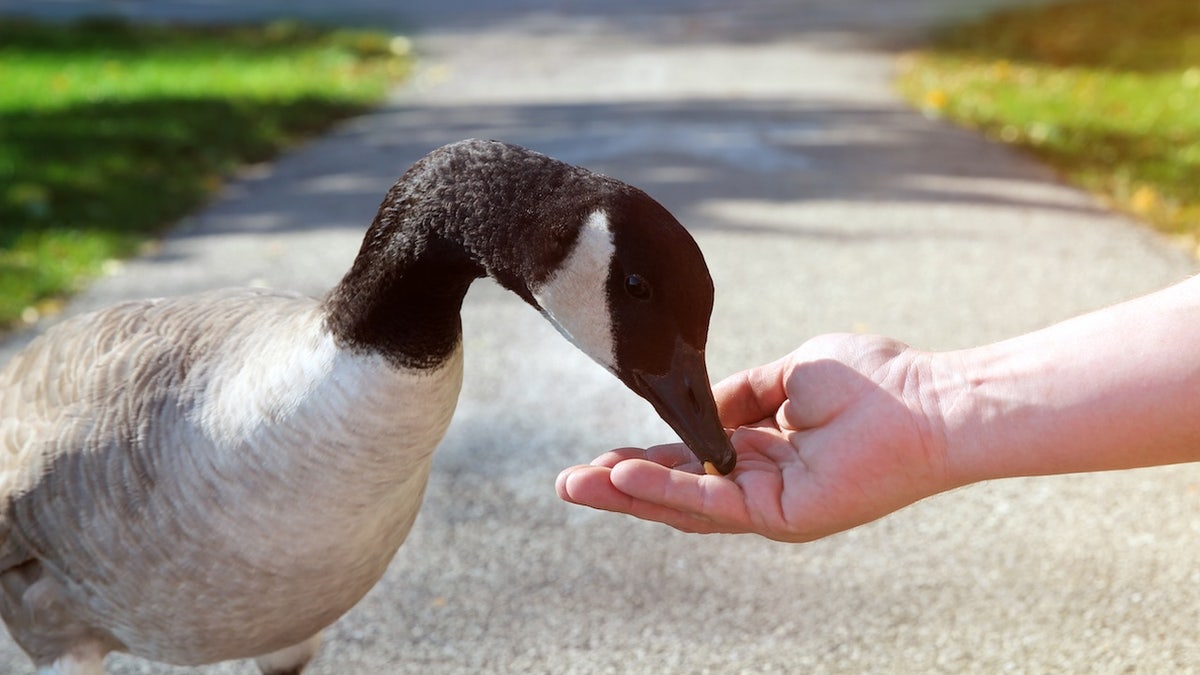
Although the risk to the public is low, health officials recommend avoiding direct contact with wild birds or animals that could be infected. (iStock)
“We have seen cases of avian influenza in other animals, most notably dairy cows and cats,” Cennimo said. “If possible, domestic animals should be kept away from sick birds.”
Although the risk to the public is low, health officials recommend avoiding direct contact with wild birds or animals that could be infected.
CLICK HERE FOR MORE HEALTH STORIES
“Public awareness and precautionary measures are essential to mitigate the impact of bird flu on both agriculture and public health,” the DEP stated.
Avian influenza viruses continue to spread in wild bird populations, Cennimo said, and transmission can be amplified by close congregations of birds. This can happen during a period of freezing temperatures, when there is limited availability of water.
CLICK HERE TO SIGN UP FOR OUR HEALTH NEWSLETTER
“The risk to humans remains low at this time,” the expert confirmed. “If the birds did die of influenza, they could still have live virus and could infect humans. For this reason, people should avoid handling sick or dead birds, use protective measures like gloves and wash their hands.”
“It’s sad from an ecological perspective, but it also poses a risk to any nearby agricultural facilities.”
Rebecca Carriere Christofferson, PhD, associate professor of pathobiological sciences at the LSU School of Veterinary Medicine, noted that mass bird deaths are a symptom of ongoing transmission of bird flu.
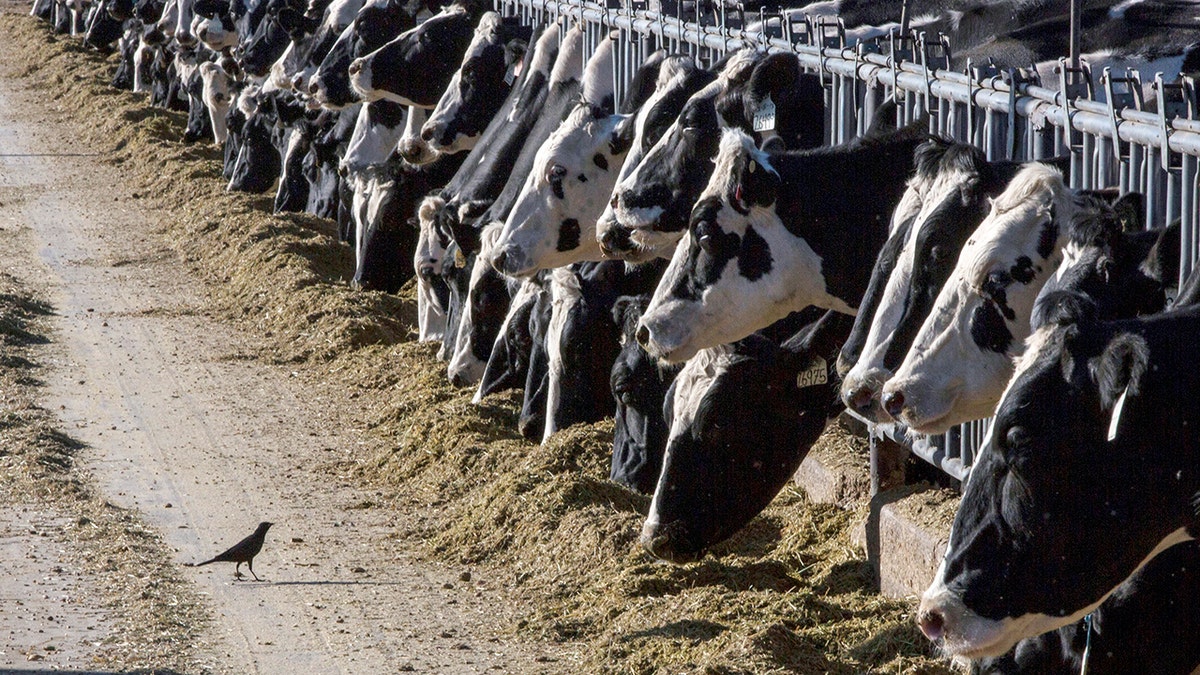
Bird flu spillover has been detected in poultry and dairy cattle in the last couple of years, an expert said. (AP Photo/Rodrigo Abd)
“It’s sad from an ecological perspective, but also poses a risk to any nearby agricultural facilities, as we’ve seen spillover into poultry and dairy cattle in the last couple of years,” she told Fox News Digital. “The more transmission, the more the chance for there to be transmission to humans.”
TEST YOURSELF WITH OUR LATEST LIFESTYLE QUIZ
Last year, there were some human deaths due to bird flu, primarily linked to contact with infected animals, Christofferson noted.
CLICK HERE TO DOWNLOAD THE FOX NEWS APP
“Surveillance is key to preventing uncontrolled spread, and understanding the patterns of where the virus is — and is going — can help mitigate the ongoing risk to our animal and human populations.”
