
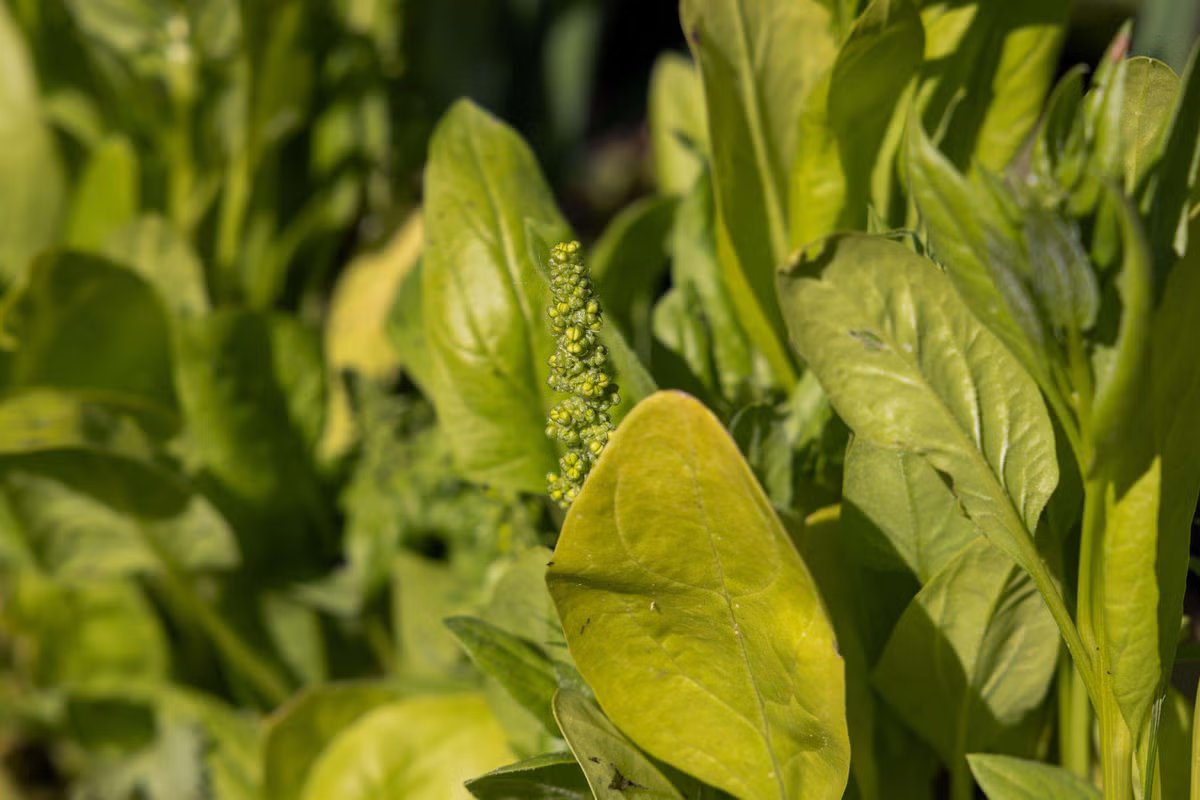
How often do you see flowers appearing on stems from your lettuce, rocket and other plants during hot weather, leaving them bitter-tasting?
This is known as bolting, when veg run to seed prematurely, producing flowers which then leaves many edibles unusable. It is caused either by hot spells, sudden cold spells or by the changes in day length through the seasons.
“As soon as the soil dries out your plants are going to get stressed and they’ll be more likely to bolt,” warns Harrison Fannon, vegetable gardener at the ‘no-dig’ garden at Blenheim Palace in Oxfordshire and co-founder of contracted veg growing company Worthy Earth, which designs, maintains and consults on market gardens nationwide.
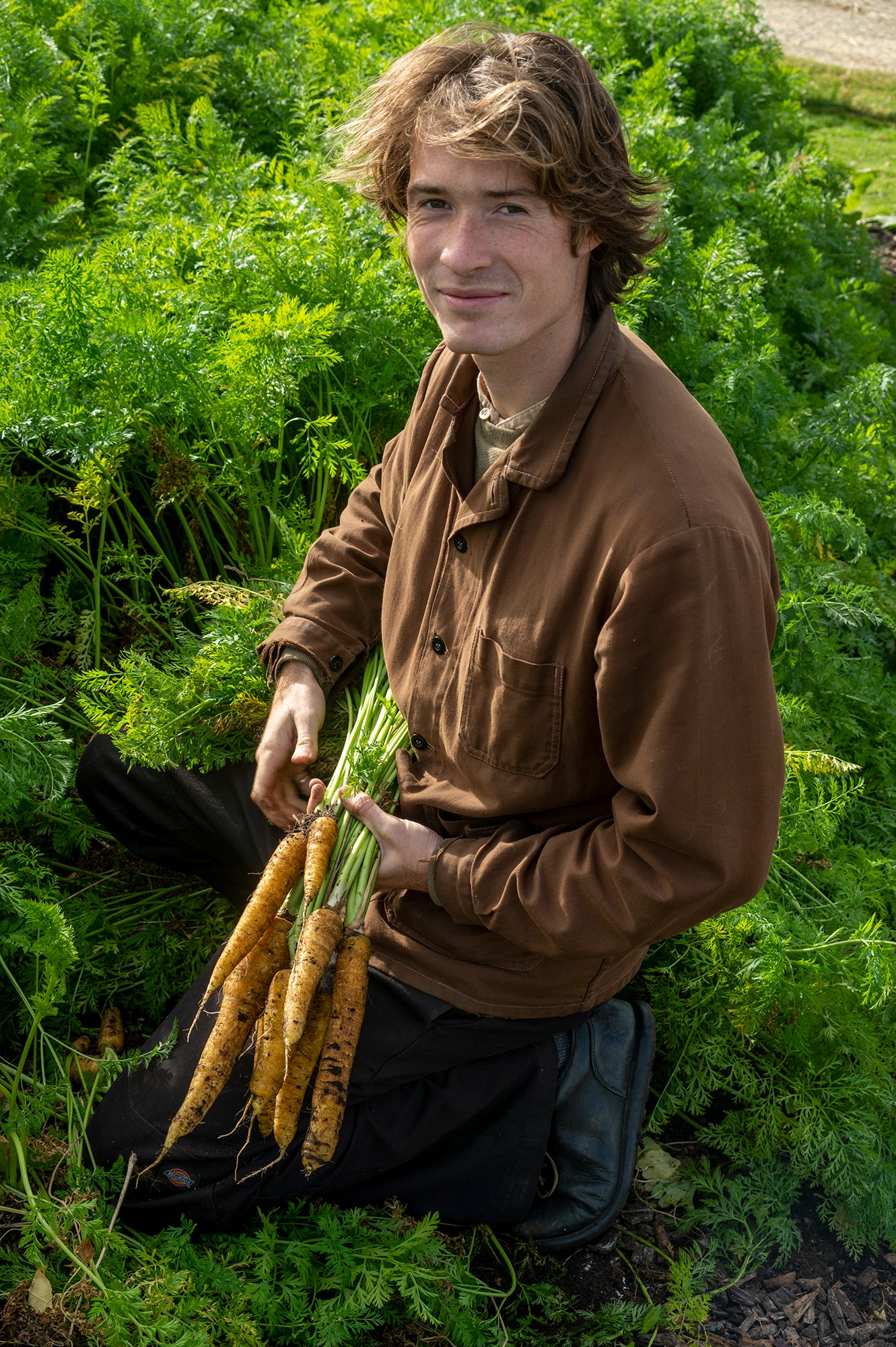
The kitchen garden, located within the 18th century Walled Garden, doubled in size last year to meet the increase in demand for homegrown produce by the palace kitchens, which serve the estate’s cafes and restaurants and at private events, with the aim that they will be self-sufficient by 2027.
“Bolting is a natural part of the life cycle of the plant, where it runs to seed in order to reproduce itself. That happens more regularly if the plant is under stress,” Fannon explains.
Plants which are more prone to bolting include rocket, spinach and some types of lettuce.
So, what can gardeners do to stop their veg bolting?
1. Keep the soil moist
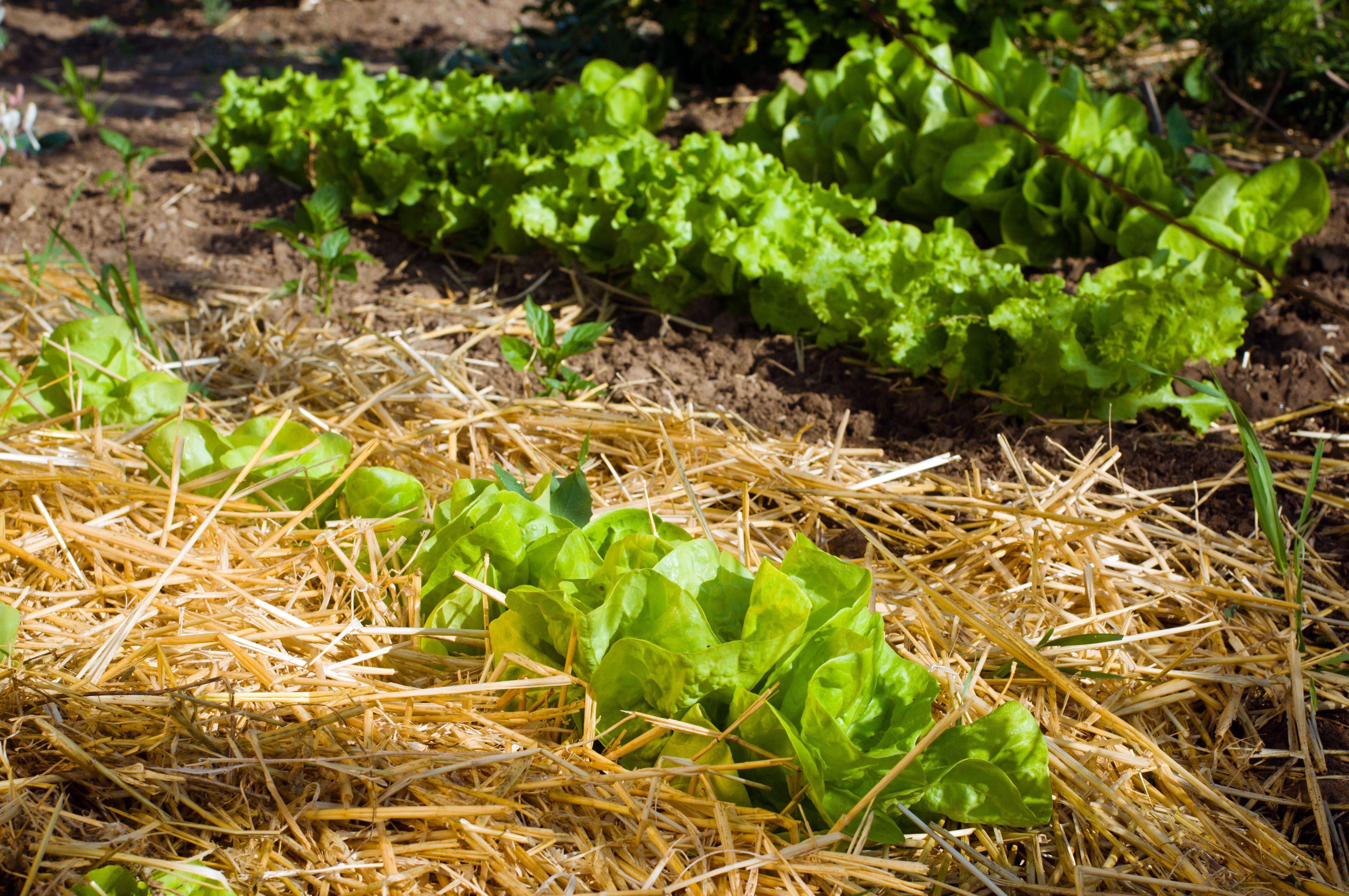
Obviously that’s easy to say, but in the hot weather there are other techniques as well as watering.
“Try to reduce the amount of soil that is exposed to the sun, for example mulching the bare soil around your plants with woodchip or hay, which basically keeps the moisture in the soil, enabling plant roots to access water even when it’s much hotter and drier,” he advises.
2. Create natural shade
Try to incorporate different canopy layers to create shade, he suggests.
“This isn’t a quick fix, but being able to include things within the vegetable garden like fruit bushes, shrubs, and maybe some small fruit trees, are a good way to make sure that there is shade on the garden and plants are not in complete direct sunlight during droughts,” he says.
3. Try intercropping
“My idea of a quick fix would be to do intercropping, or interplanting, which is where you put different types of vegetables of different heights next to each other,” he explains.
“For example, you might have a tall-standing kale or rainbow chard which you plant between your lettuces. The lettuces are low down, out of direct sun and shaded by other vegetables, which makes them less likely to bolt.
“In the kitchen garden at Blenheim, we grow lots of different vegetable plants in the same bed. We grow chard, onions and beetroot in with our lettuce, which create a bit of shade around the lettuce and limits the amount of soil that is exposed to the sun, so it stops it drying out.”
4. Plant generously
Plant plenty of veg and you may find that plants don’t necessarily compete for water, but co-operate when it comes to drought conditions, he says.
“If you have more plants together they are more likely to survive and not bolt in hot weather.”
5. Use netting
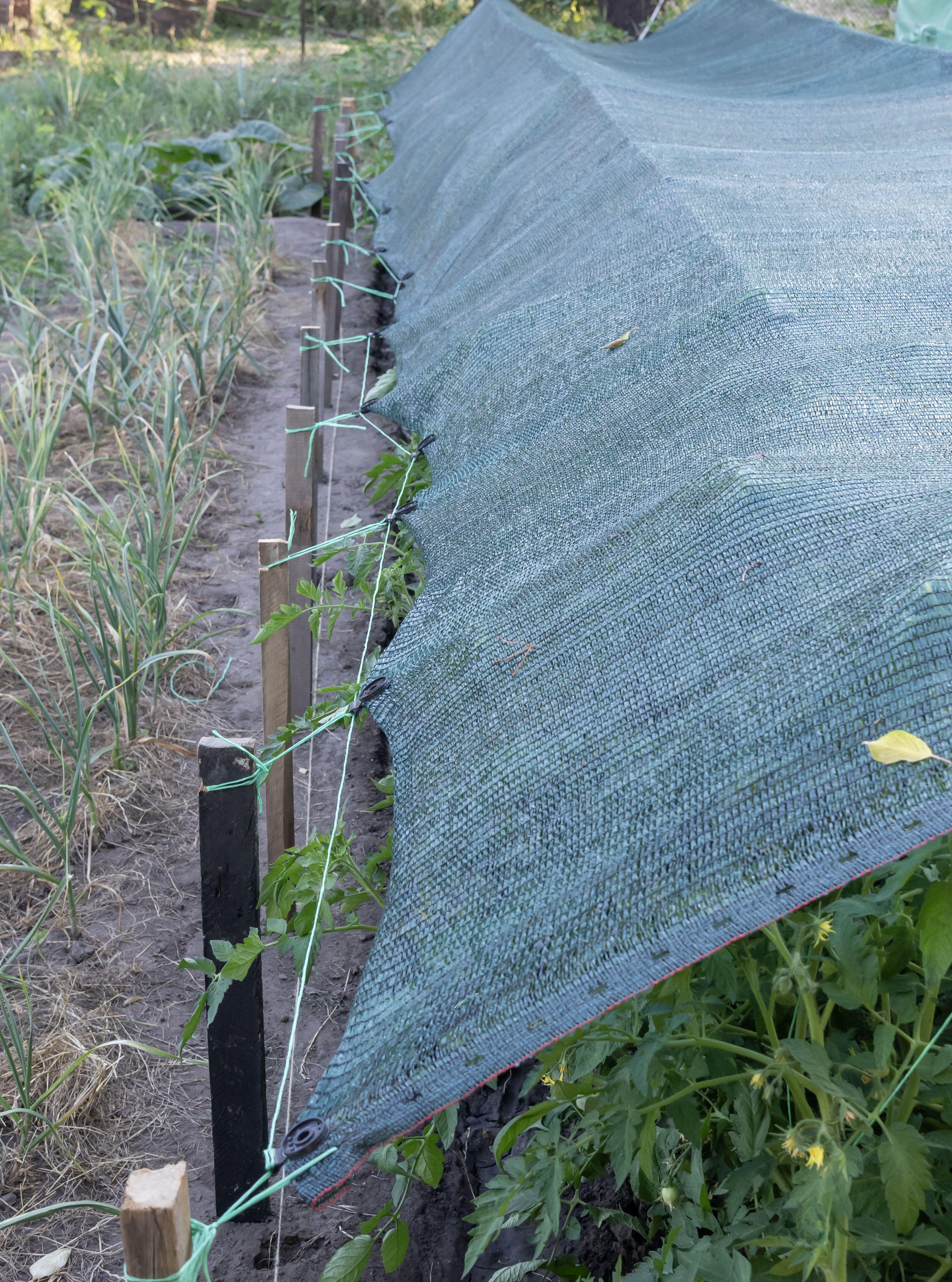
Invest in some shade netting to protect crops if you don’t have trees or natural shade, he advises.
“It might be the dark green shade netting that you cover a polytunnel with that could be popped over your vegetable patch to avoid it from getting too seared and baked with sun,” he says.
6. Water early
“Water in the morning. We water daily and we try to automate our irrigation using drip-line feeds early in the morning or at night to increase the amount of water which is absorbed by the soil,” he advises.
7. Grow a variety of produce
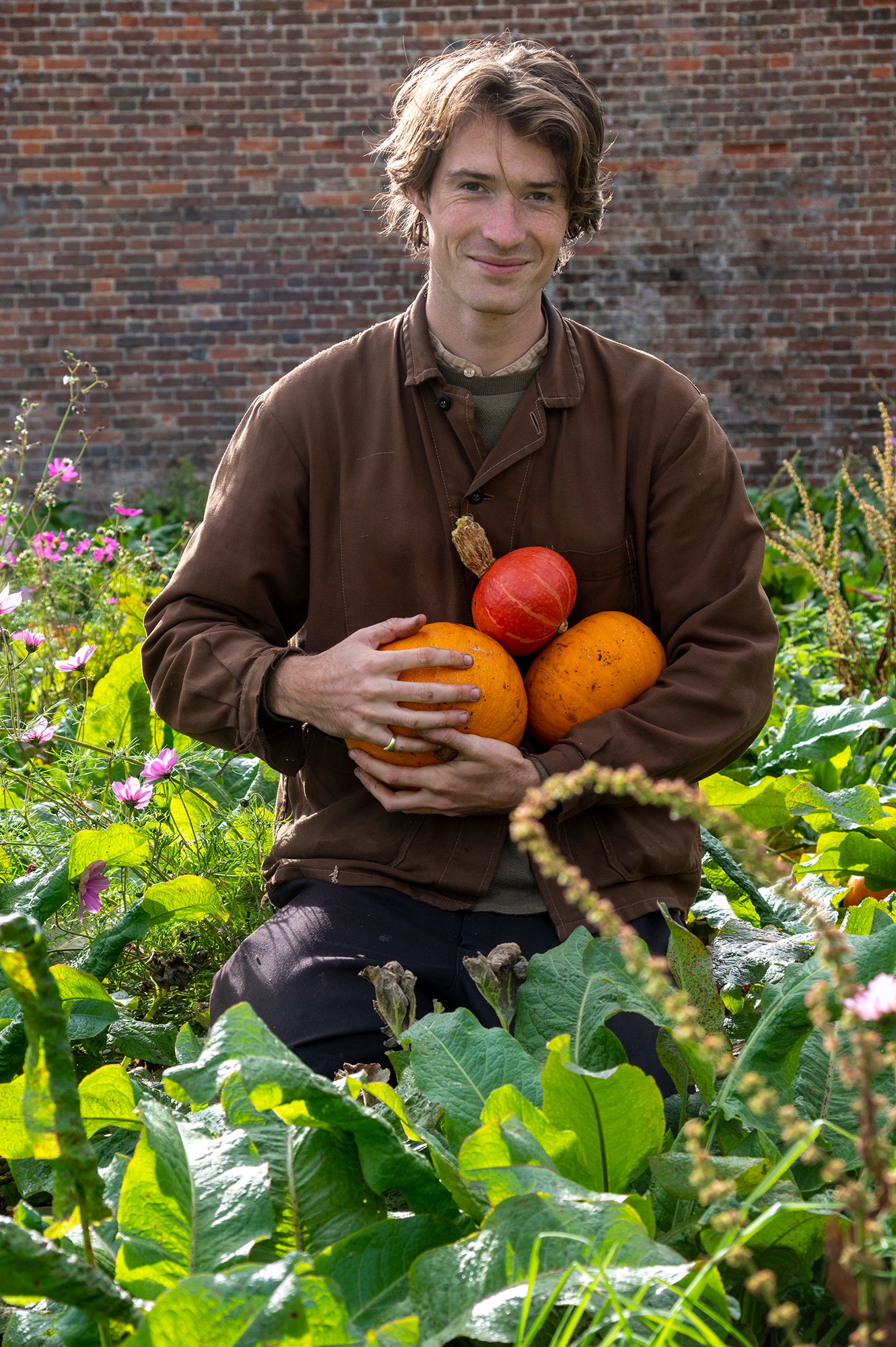
“Grow a variety of crops in your garden and don’t put too much pressure on the crops which are prone to bolting. Things that really love the summer include courgettes, tomatoes, heat-loving squashes and pumpkins,” he suggests.
“We have a lot of success with chard, beans and kale in the hot months, and as our climate gets hotter, we might want to veer away from trying to grow classic salad leaves in the height of summer.”
Have a go with perennial vegetables – you can now buy perennial rocket, for instance, which is less likely to bolt, he explains.
Can you still eat veg which has bolted?
You can still eat rocket and lettuce when it’s bolted, but the taste is a lot more bitter, he explains.
If your veg does bolt, break it down on to your veg bed rather than digging it up and putting it on the compost heap, he suggests.
“We leave it a couple of days for it to start to decompose and then we plant directly into this mattress of rocket because it keeps the moisture in, adds nutrients to the soil and doesn’t waste really good plant matter for your beds.”
For more information visit blenheimpalace.com

