
Want to bookmark your favourite articles and stories to read or reference later? Start your Independent Membership today.
Already a member?
Log in
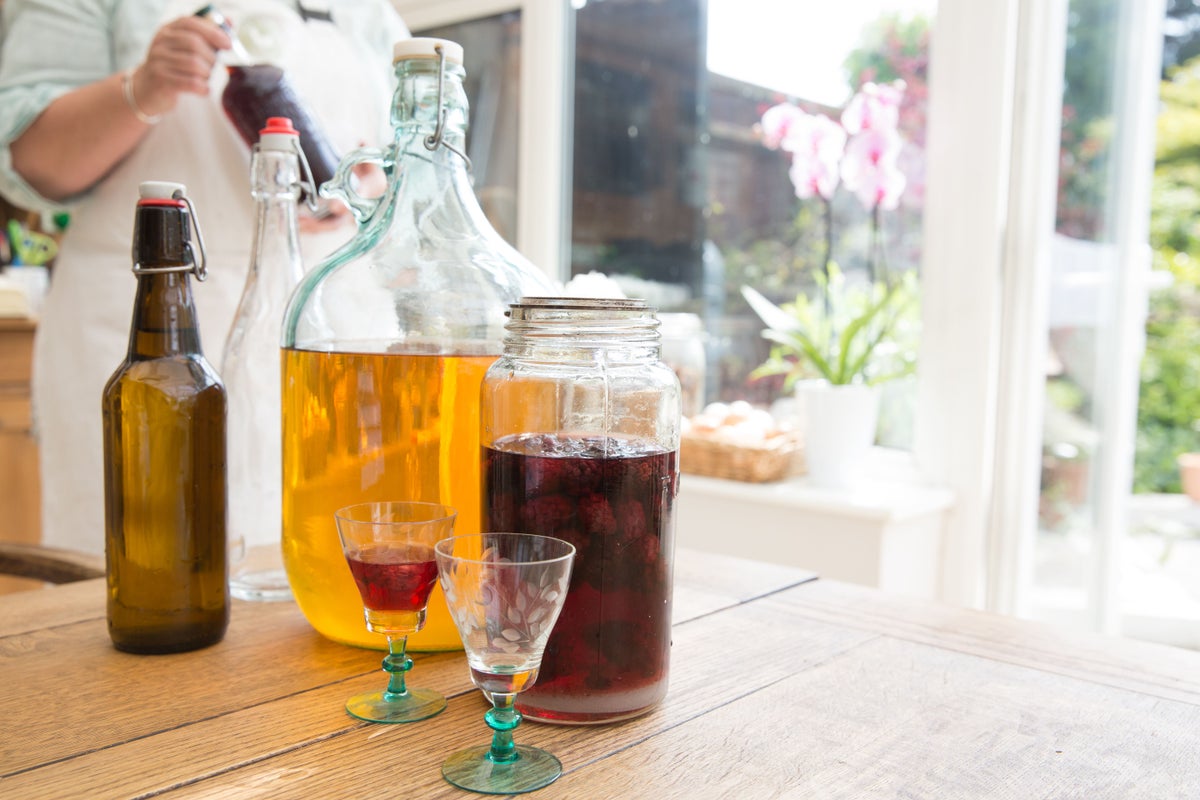
When you are browsing the drinks aisles in search of inspiration for a new Christmas cocktail, spare a thought for the fruit gluts or autumn windfalls you’ve had because you may be able to put them to good use.
Foraged and windfall fruits such as quinces, sloes, damsons and rhubarb may all come in handy in the liqueur cabinet this festive season, says Sara Ward, founder of Hen Corner, which runs workshops on sustainable living skills, author of Living The Good Life In The City.
“You can turn windfall and foraged fruits into a special treat for Christmas,” says Ward, who who has transformed her Victorian terraced house in west London into an urban smallholding and will be hosting Christmas Corner at this year’s Ideal Christmas Show.
“If you find fruit and think, ‘Can I do more than just make a crumble or jam?’ you can probably make something really special to enjoy with your family at Christmas or a beautiful home-made gift to give away.”
Start with a spirit base
“When you are making liqueurs, always start with a spirit base,” she advises.
“You’re not actually distilling alcohol yourself. At the moment I’ve got some quinces from last year that have been soaking in sugar and gin.
“I’ve got sloe gin which I’ve just bottled up and some damsons in the freezer that have been collected from someone’s tree and I’ll be making a damson vodka with those. Rhubarb with gin is also gorgeous.”
Last year Ward made a Grand Marnier-style liqueur using orange zest with brown sugar and brandy.
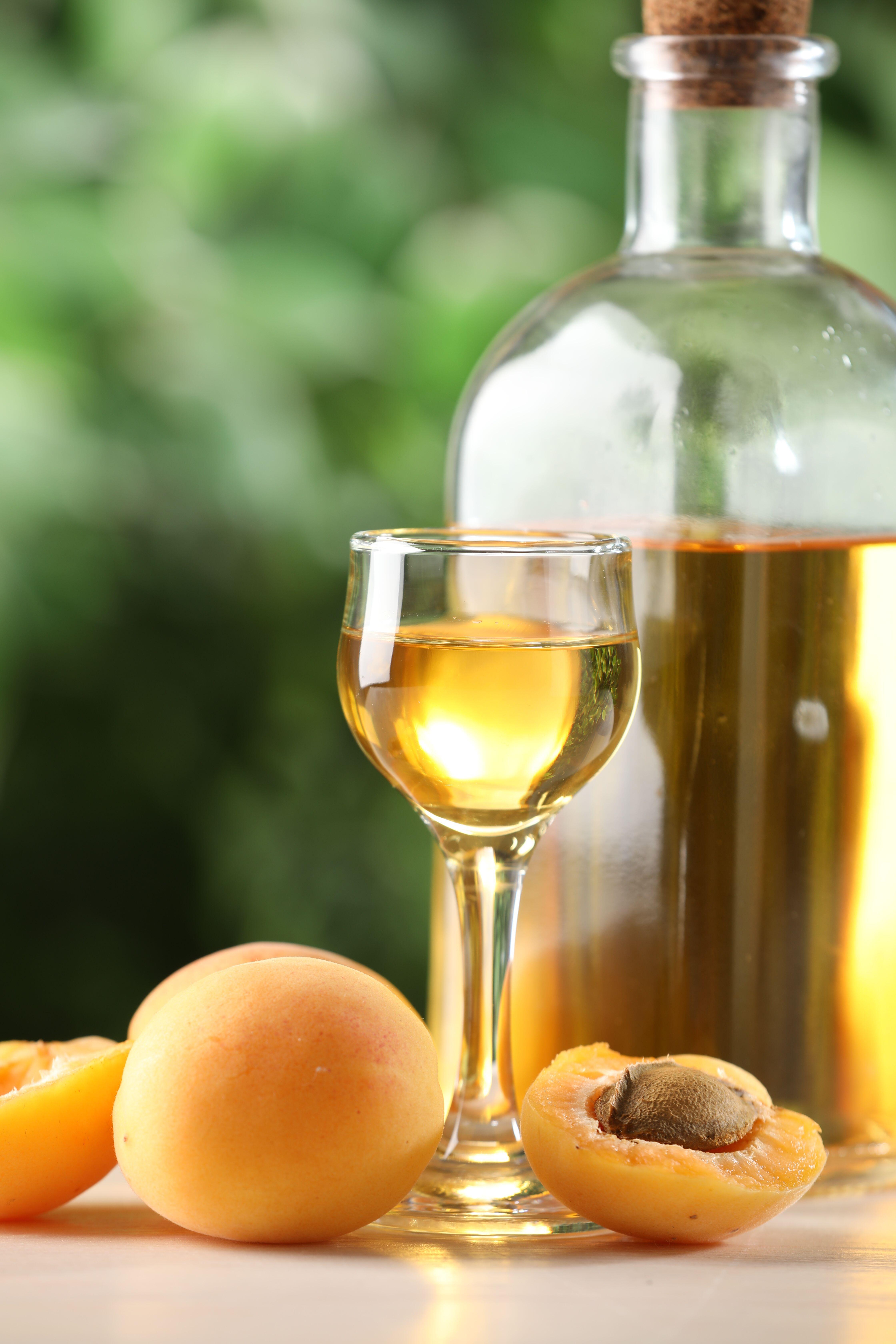
“I also made some apricot brandy with fresh apricots when I was in France on holiday this year. They’d fallen from the tree and were a bit bruised, but I cut them up, covered them with sugar and topped them up with some cognac.
“And, of course, the fresh fruits can then be used as a dessert as well, so you can drink the liquid and enjoy the fruits with ice cream, or stir them into your Christmas pudding,” she suggests.
Do minimum preparation
Put apricot skins in to allow for minimum preparation, but if you want to use plums, damsons or tiny sloes, they will benefit from a quick frost which helps break down the cellular structure of the skin, she notes.
“Traditionally we would say don’t pick your sloes until after the first frost. Well, the birds will have had them by then. So you can either painstakingly go through with a needle and prick every skin to make sure the juice comes out, or you pop them in the freezer overnight, and as the water in the cell wall of the skin freezes it expands and weakens the skin.
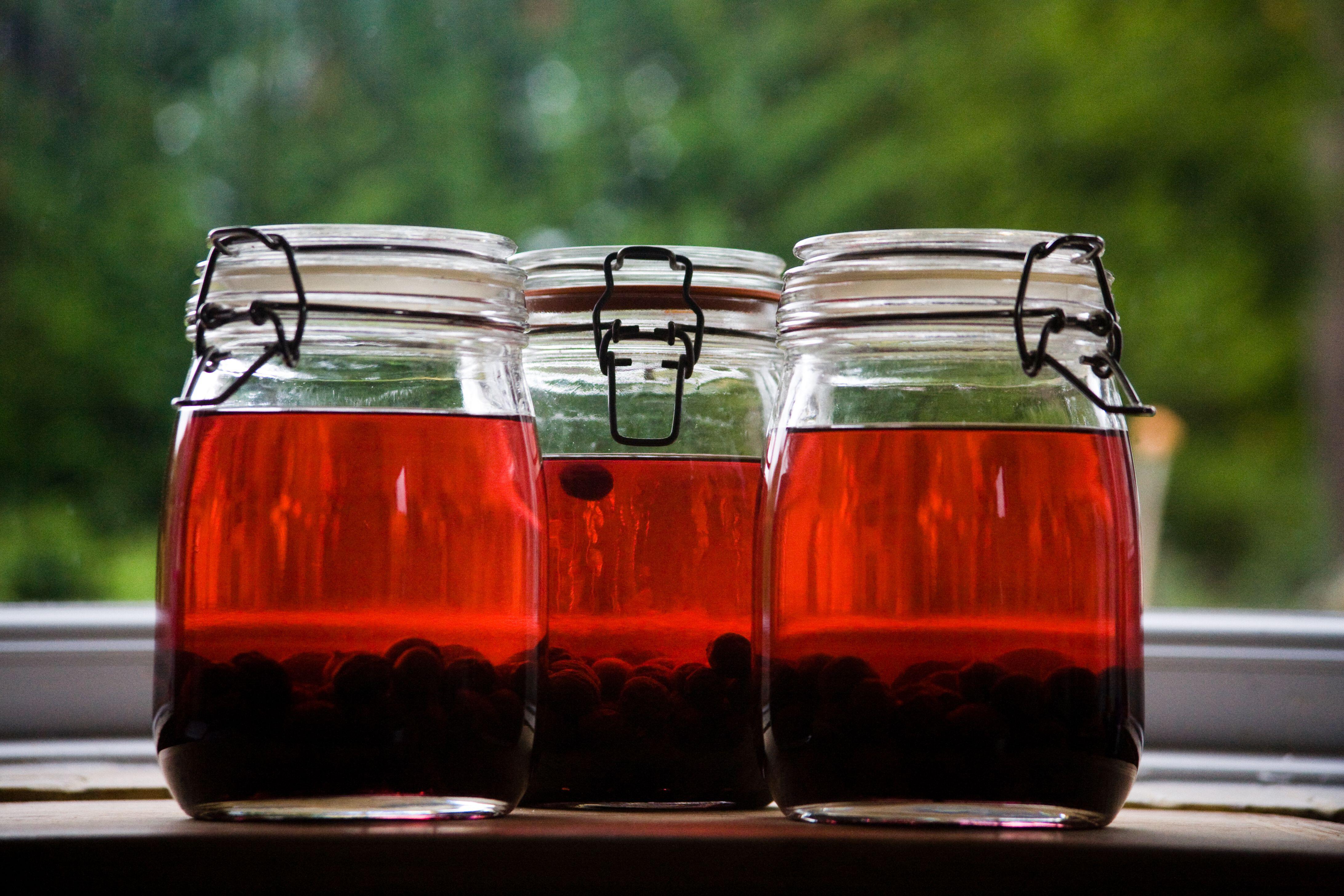
“So when you add the sugar, the sugar draws moisture through the skin by osmosis. The sugar takes the juice and the colouring out, so you get a nice coloured liqueur.”
Cut out damaged or rotten segments of fruit before you start.
You don’t need to remove cores and pips unless you are planning to retrieve the fruit and eat it at another time, she advises.
“You wouldn’t just put a whole apple in a jar. You’d need to cut it up so that the sugar has access to cut edges so it can draw the moisture out.”
Rhubarb can just be washed and cut into stalks. Don’t cook it because the sugar will draw the flavour through the cut edges.
Use plain alcohol
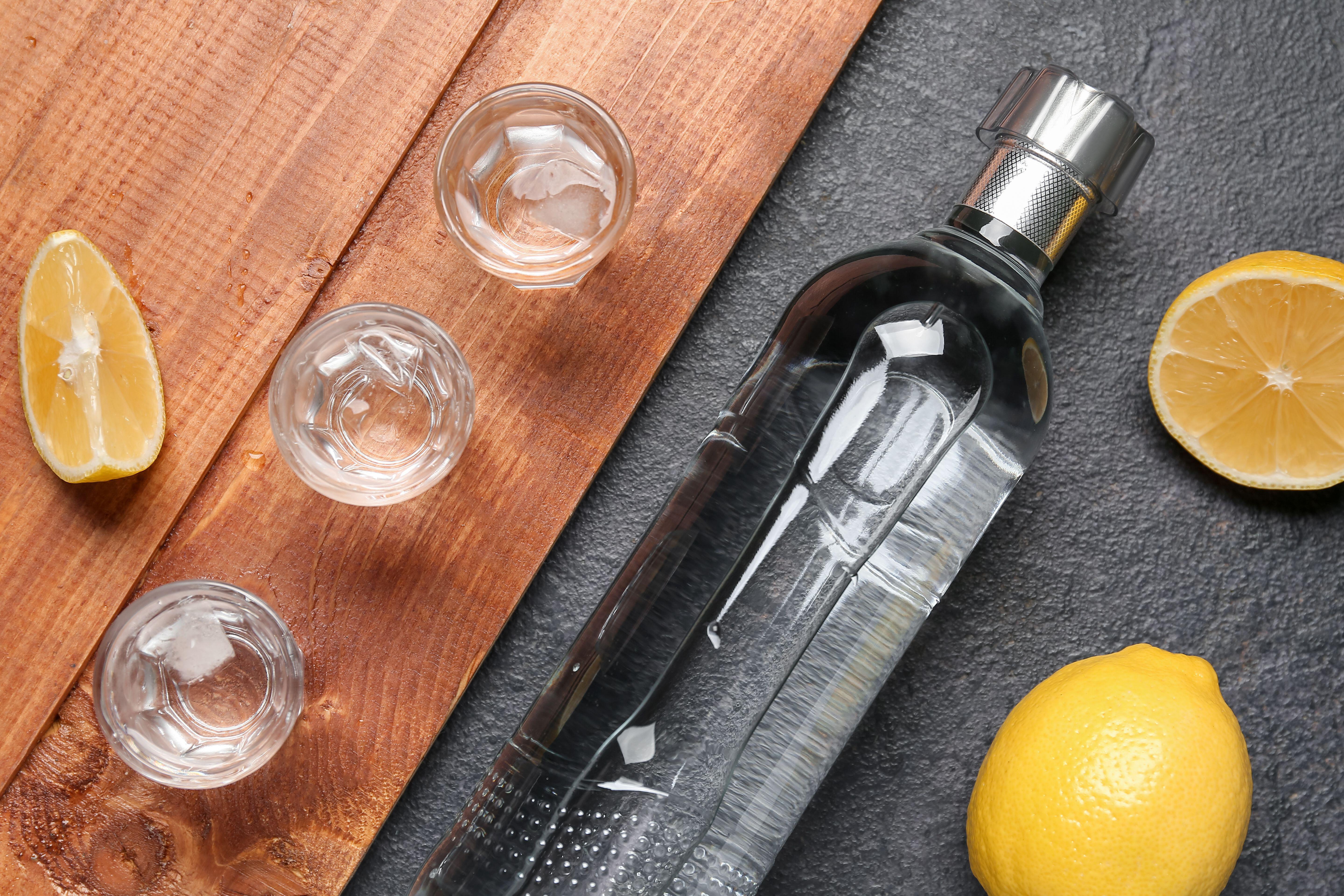
“If you want to really taste the flavour of the fruit I’d go for a plain alcohol like vodka, or gin, although it has a few more herbs and botanicals.
“Don’t worry about buying spiced rum or anything that has had stuff done to it because you want to taste the fruit. If you’re making your own flavour don’t buy an expensive gin which has been painstakingly crafted to get a unique flavour.
“If you want to add a stick of cinnamon, absolutely. But choose the spices yourself. You can get really creative and just turn a cheap bottle of vodka into a very special liqueur.”
Check dimensions
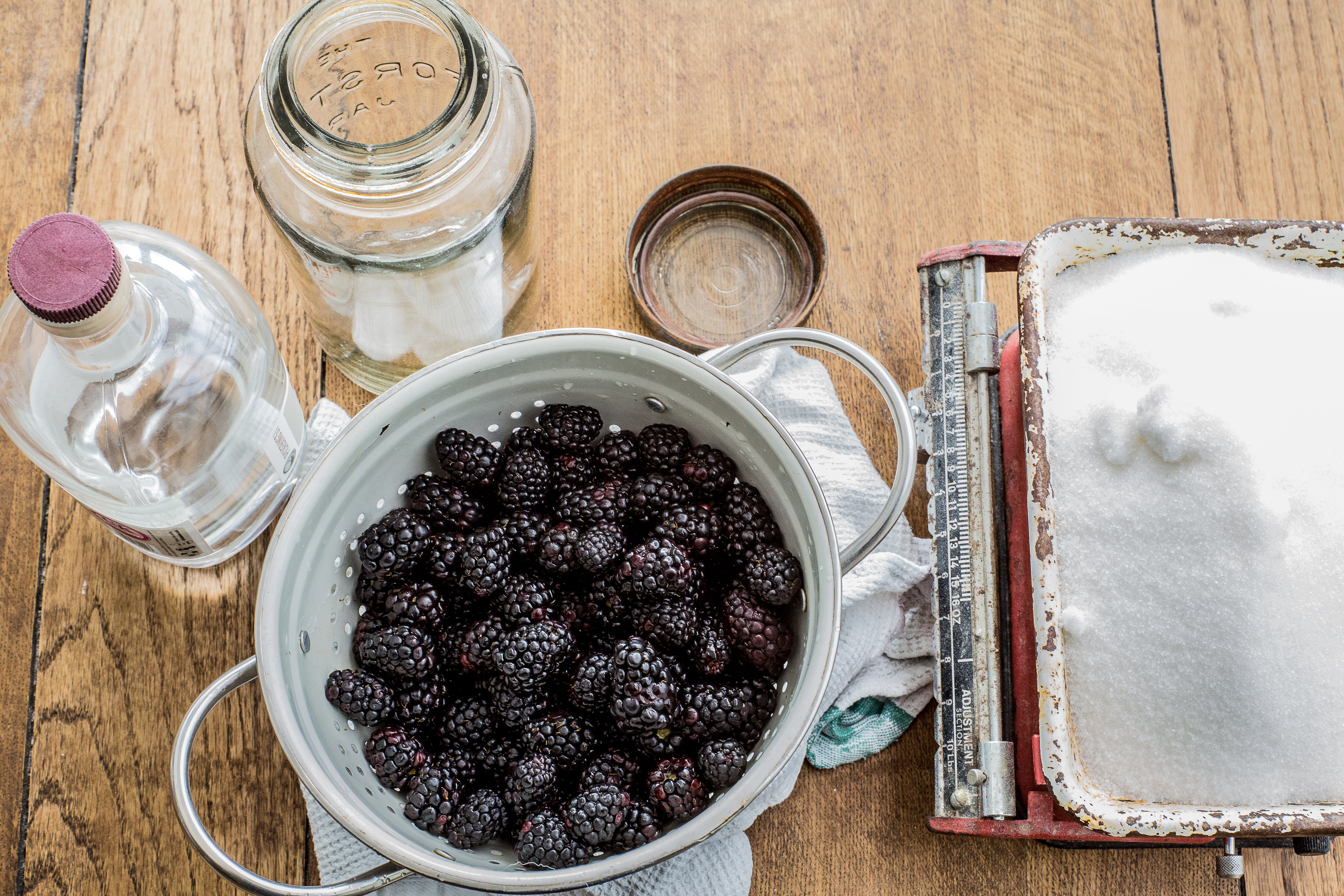
The dimensions depend on how sweet your fruit is. Ward packs her fruit into Kilner jars or big plastic containers, covering it gently with white granulated sugar, which will drizzle down between the gaps in the fruit.
“Just cover it, top up with the alcohol and then you can taste it. If it’s not quite sweet enough, add a bit more sugar then leave it for another week,” she says.
“There’s no harm leaving the jar for a month and if it’s not quite sweet enough, just stir in a bit more sugar, give it a good shake and leave it a little longer.”
For a more caramel flavour, she suggests using demerara sugar.
“If you’ve a particularly sweet fruit, like apricots, you don’t need that much sugar. A little bit will balance the harshness of the spirit.
“Pack the fruit relatively firmly into the jar, sprinkle the sugar on top and it will settle into the gaps, then just have a few millimetres on top so the sugar has completely covered the fruit and then top it up with the spirit.”
When are they ready to drink?
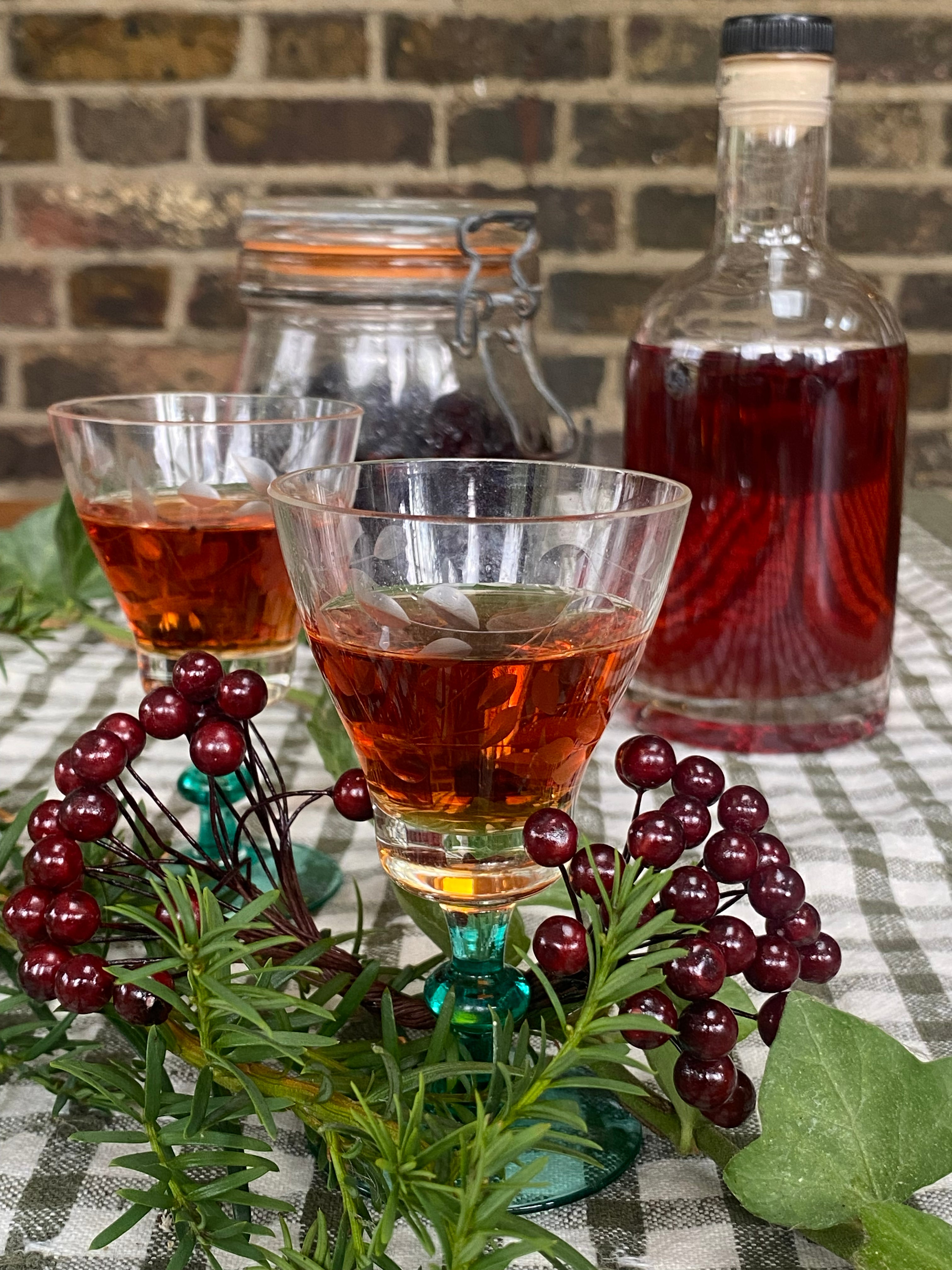
“When I first started making sloe gin, I was told it took three months, so you do it in September to be ready for Christmas. But I’m not sure you need three months.
“When I made the orange Grand Marnier liqueur last year that was ready within two days.
“A harder fruit like quince does take longer, but we’re talking weeks not months. The harder the fruit the longer it takes. But the encouragement is to be creative.”
When it’s ready, if the liquid is a bit cloudy, strain it through a fine cloth or coffee filter into a clean bottle. And label it, so you can remember what you’ve made.
The Ideal Christmas Show takes place at Olympia, London, from November 26-29.


