
Want to bookmark your favourite articles and stories to read or reference later? Start your Independent Membership today.
Already a member?
Log in
After a scorching summer, the focus is finally shifting from cooling homes to keeping them warm ahead of unsettled weather.
With the energy price cap increase, and bills set to rise again in January, taking action now will yield significant benefits when cold spells strike, boilers break down, or howling winds whistle through your loft.
To help you prepare for the cooler months, Simon Bones, a leading sustainability expert and founder of intelligent retrofit company Genous, which assists homeowners in creating energy-efficient homes by retrofitting renewable technology, has shared his top tips for keeping your home warm and cost effective.
Book your annual boiler service
You need to service your boiler once a year, so get this booked in now, while the weather is still warm enough that you don’t need your heating on, advises Bones.
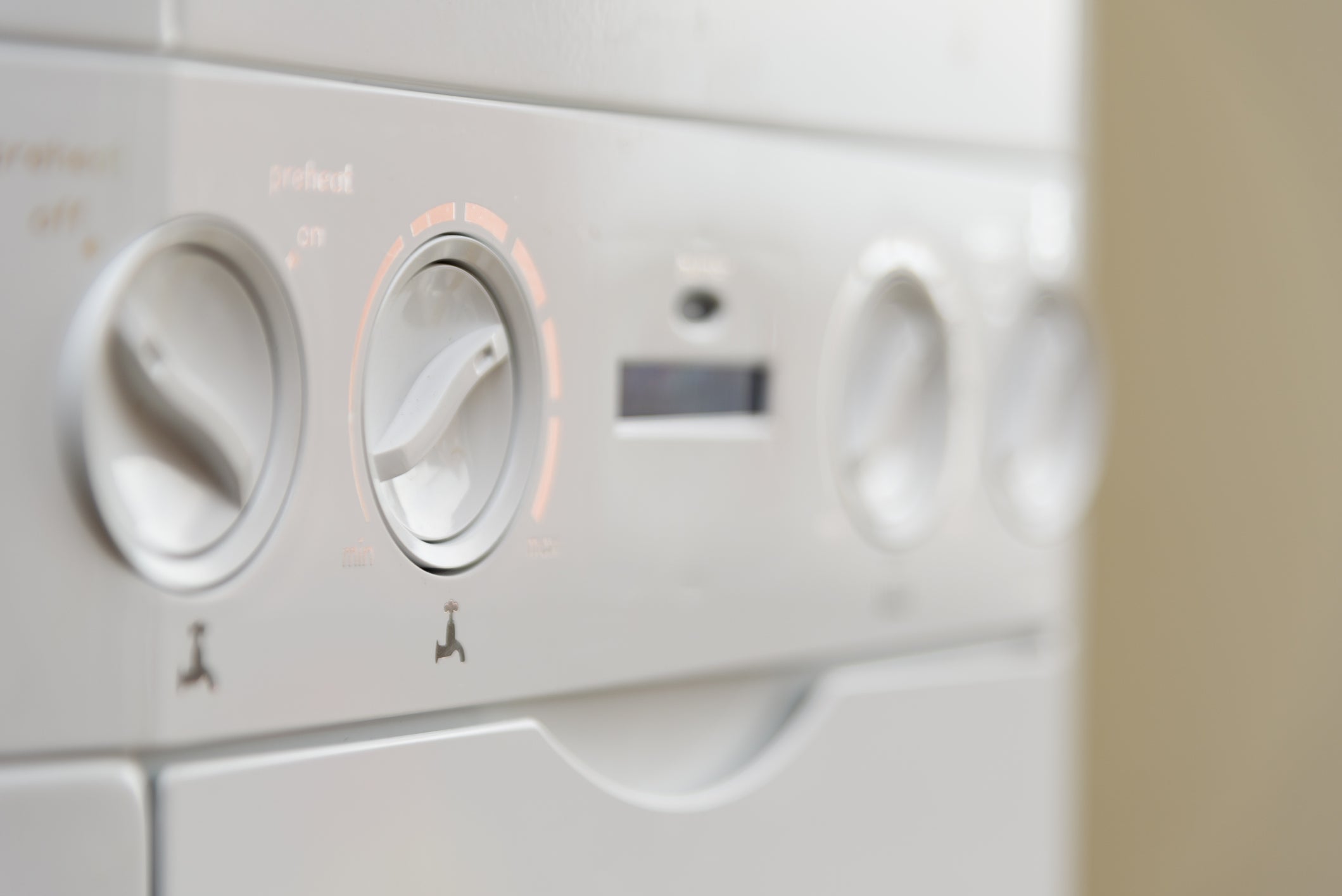
“Boilers of any type are dangerous appliances if they’re not dealt with properly,” he warns, especially if poorly maintained or neglected. “The main thing is to service them because if they’re not working efficiently, you’re wasting money.”
Your annual service will ensure your boiler is working correctly, your pressure is where it should be, and there are no problems on the way, underlines Bones.
Also, make sure a gas safe engineer is carrying out the service, which you can find through the Gas Safe Register website, he adds.
“If they’re coming towards the end of their life, and you do want to get a heat pump, which lots of people do when their boilers finally die, you can’t get one in 48 hours,” highlights the energy expert.
Whereas a gas boiler can quickly be replaced. “Heat pumps take longer, so being on top of that timing is useful,” says Bones.
Make sure your radiators are functioning
As Bones points out, radiators can get full of fluff and dust, and keeping them dust-free will ensure they’re working to their full potential.
“Specifically, if you’ve got a radiator with more than one panel. If you think of an old radiator with just a single single panel of metal, that’s not an issue.
“But if you have radiators with convector fins in the middle which help the heat to rise, and panels at either side, you need to clean them.”
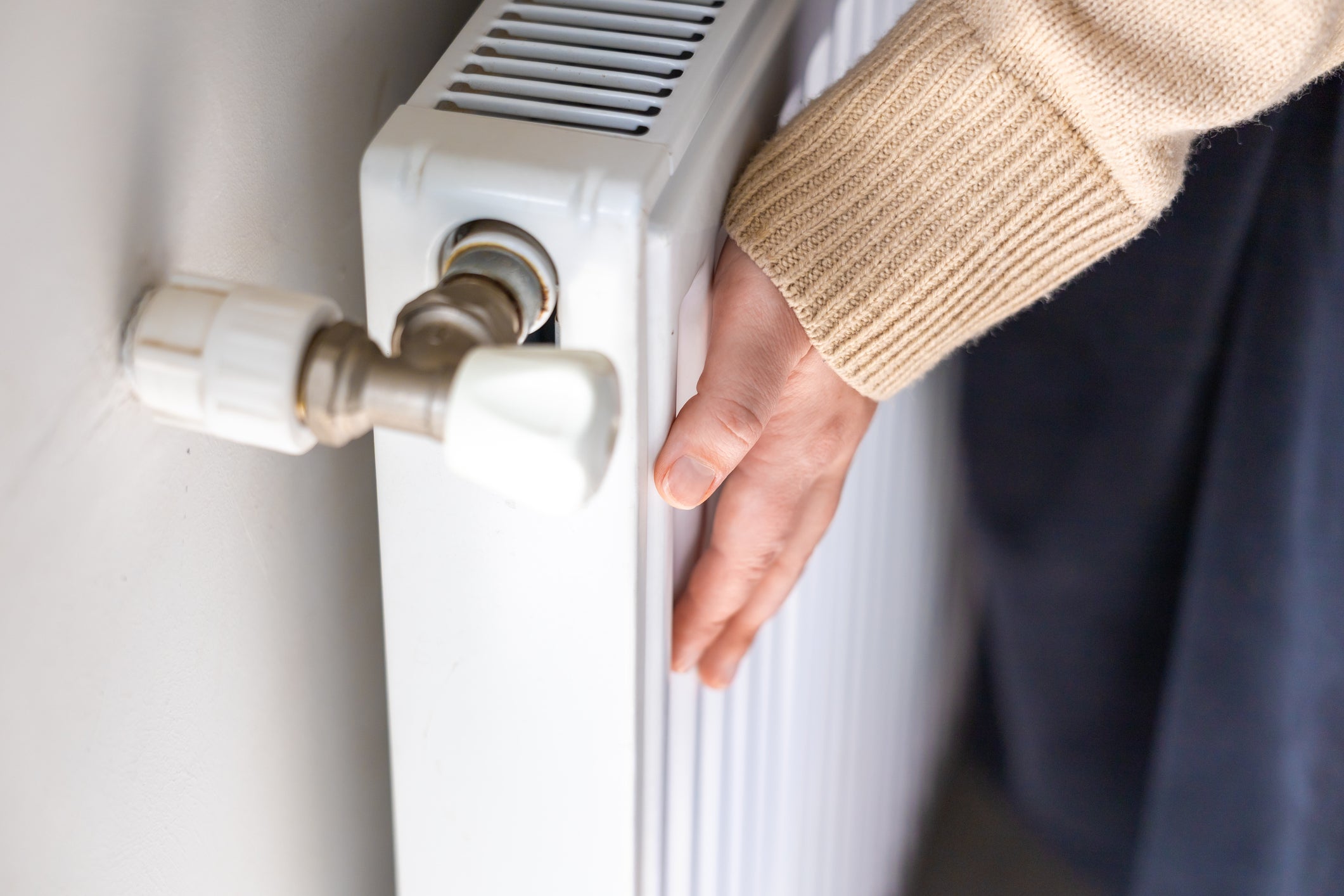
He suggests using a hair dryer on a cool setting along the top of the radiator to blow any dust down, and out the bottom; otherwise a radiator brush to get rid of dust.
Also, make sure your radiators don’t have trapped air in them and need bleeding. Meaning the water doesn’t circulate, they only get hot in some parts, and you’re not getting the right amount of heat.
When your radiator is cold, use a radiator key and slowly open the vent at the side, says Bones. Use a rag underneath to catch any excess drips. Turn the key and listen for any air escaping.
Once the sound stops and water starts dripping out, he says to turn the key back and ensure it’s closed off again.
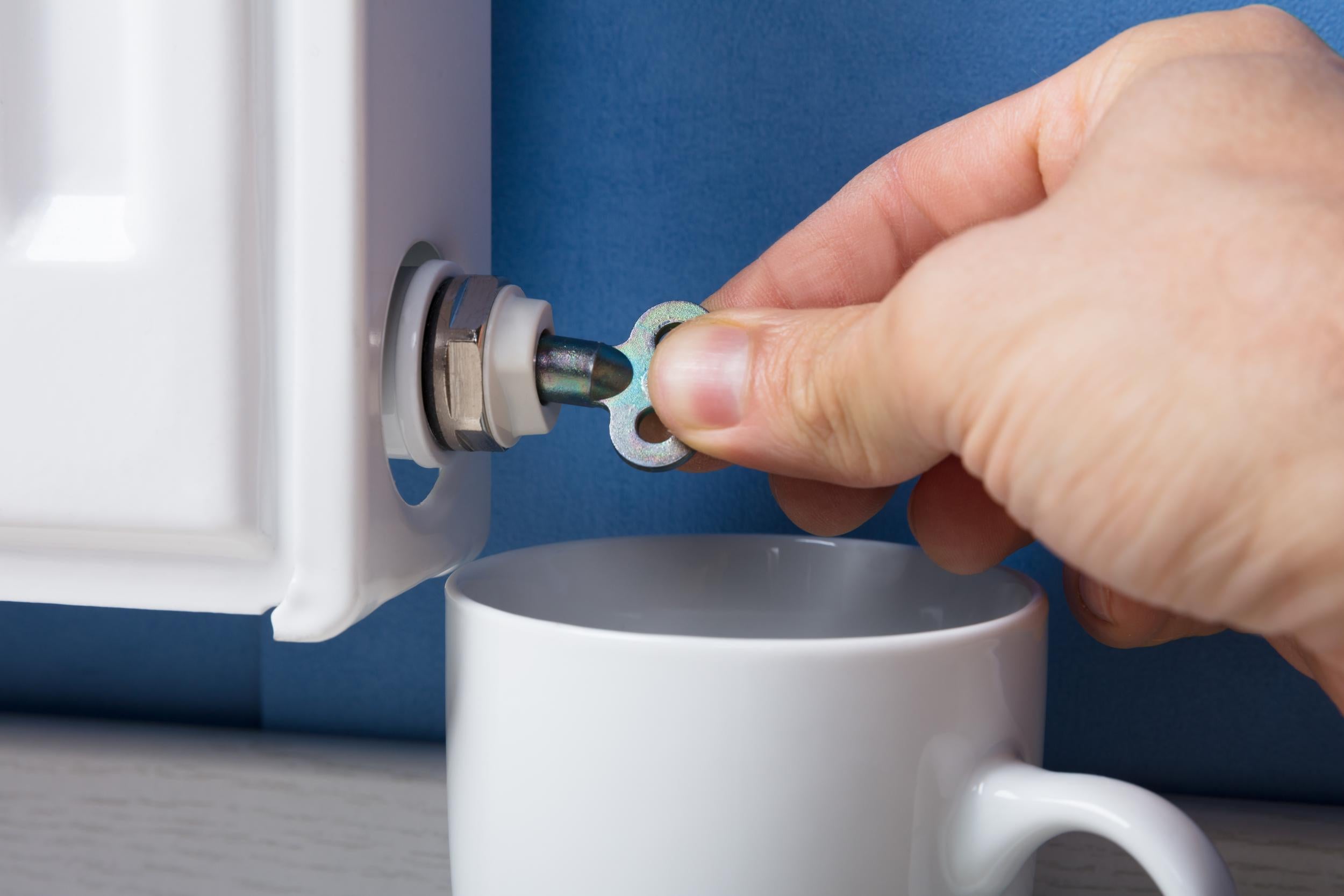
If you haven’t done this before, simply put ‘bleeding a radiator’ into YouTube to watch a video.
“Again, something that’s worth doing because you’ve probably had the radiators off for a few months, so making sure everything’s working well for when the heating comes back on,” he adds.
Upgrade where you can
“If you really want to change your bills, unfortunately you’ve probably got to spend some money,” highlights Bones.
“Different houses are different… the structure of the property and what you can and can’t do.
“But there’s something for most people, and it’s about finding out what that is, and if you’ve got the budget, doing it,” he advises.
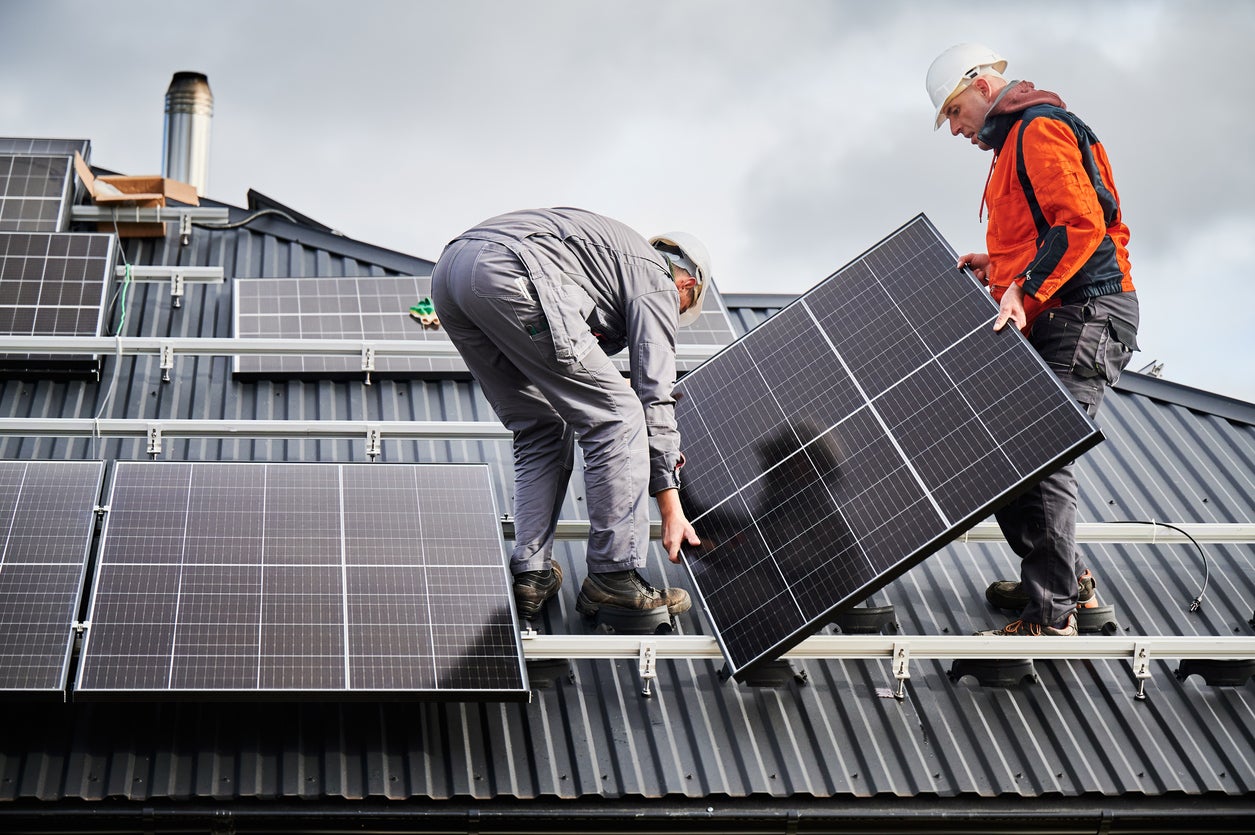
To improve your energy efficiency and upgrade the property, the big changes are solar (photovoltaic panels are more effective than solar thermal), a heat pump or, if you can do both, that will give you the greatest energy savings, says Bones.
Especially if you can combine with a time-of-use electricity tariff and home battery.
If you currently have oil or LPG (liquid petroleum gas) heating and you replace that with a heat pump, you can also benefit from the government’s uplift to the Boiler Upgrade Scheme, which is now £9,000 towards getting off oil and onto renewables, says Bones.
“Plus if you wait, and go and do this in April [2027], the chancellor’s going to give you £,1500 less. So if you were going to do it anyway, get it done before April.
For other fossil fuel heating systems, you’ll still be eligible for the scheme but will get £7,500. While this will be an investment now, Bones says getting everything up and running means you’ll start benefiting from the moment you have to turn the heating on.
You’ll still generate electricity from solar even in the winter months, and says adding a battery means you can save up and store anything you don’t use now, for when you need to use it later.
Check your loft insulation
As Bones puts it: “Insulation is just a barrier, whether it’s heat going out or heat coming in, but it does need to be there.
“And sometimes if you’ve got ventilation in the loft, the insulation can blow about if it’s loosely packed, so it’s about making sure the heat stays there.”
If your loft is already insulated, he says to check your insulation is even and find the depth. Ideally he says it should be 300mm deep, though a bit less is probably not worth topping up.
However, if you have 150mm or less, he says topping up can be worthwhile and advises getting a professional to do it; or, if you do it yourself, make sure you don’t block any ventilation in the roof.
And if your loft isn’t currently insulated, Bones says it’s well worth the investment.
Review your energy tariffs
With the energy price cap having gone up 4 per cent compared to the last price cap, you need to pay attention to what energy tariffs you’re on, advises Bones, and says it can pay to shop around between different energy companies.
But you may not even be on the best rate that your own provider offers. “The price cap is simply what electricity and gas companies are allowed to charge you, it doesn’t mean they always will.”
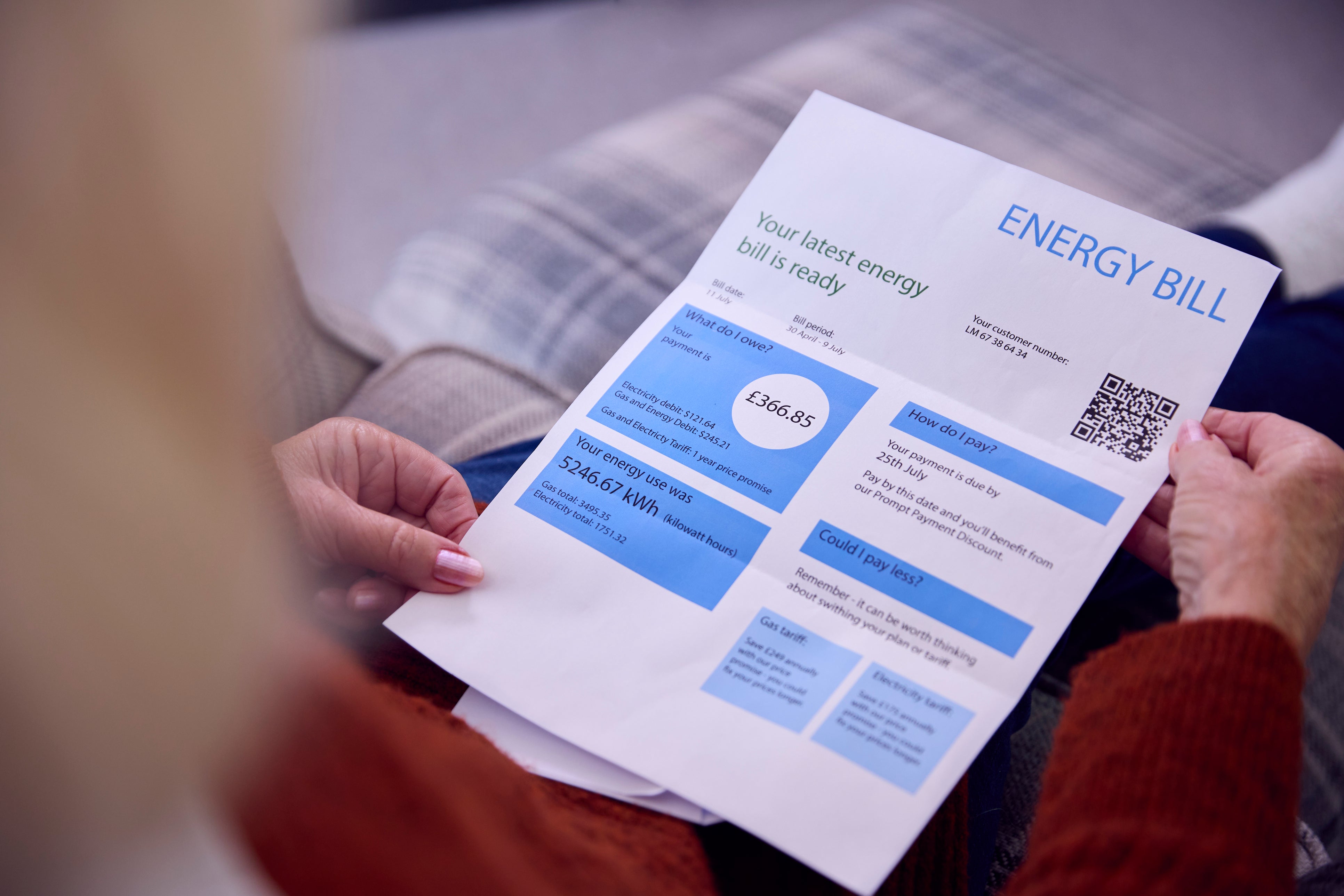
“And if you’re on a 12-month fixed tariff, that might be a good tariff. You might want to stay on it. But equally, as prices change, the energy companies don’t tell you if you’re not on the best rate – they don’t have to.
“Plus, if you’re on heating oil or LPG, they have no price cap at all. Price caps are only electricity and gas,” he explains.
“So, first thing is are you on the best tariff that’s available from your supplier? And is there a better tariff? Be that a smart tariff, or just moving supplier.
“Like people do with their car insurance or whatever. One year so-and-so is cheaper, and the next year someone else might be better. So that that’s free money.
“It’s not changing your energy usage, it’s just not paying more than you need to,” Bones says confidently.