
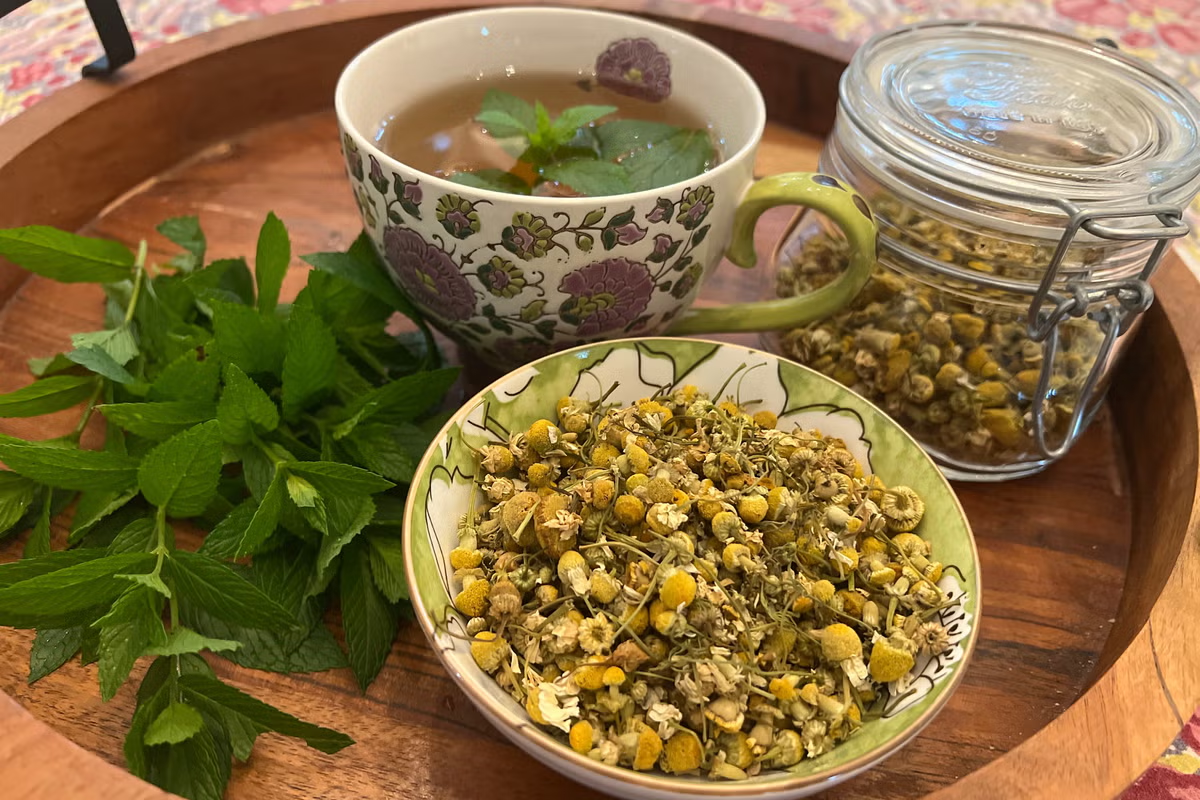
The soothing aroma of herbal tea can offer a sense of calm even before the first sip, a feeling amplified when the ingredients are freshly plucked from one’s own garden. Cultivating herbs for a daily brew is surprisingly simple, with many varieties thriving in a backyard setting.
Unlike traditional black or green teas, which originate from the Camellia sinensis plant, herbal infusions are crafted from a diverse array of botanicals. These can be brewed using either freshly harvested leaves or dried preparations. Regardless of the method, the ritual of enjoying a cup of homegrown herbal tea, whether hot or iced, provides a uniquely tranquil experience.
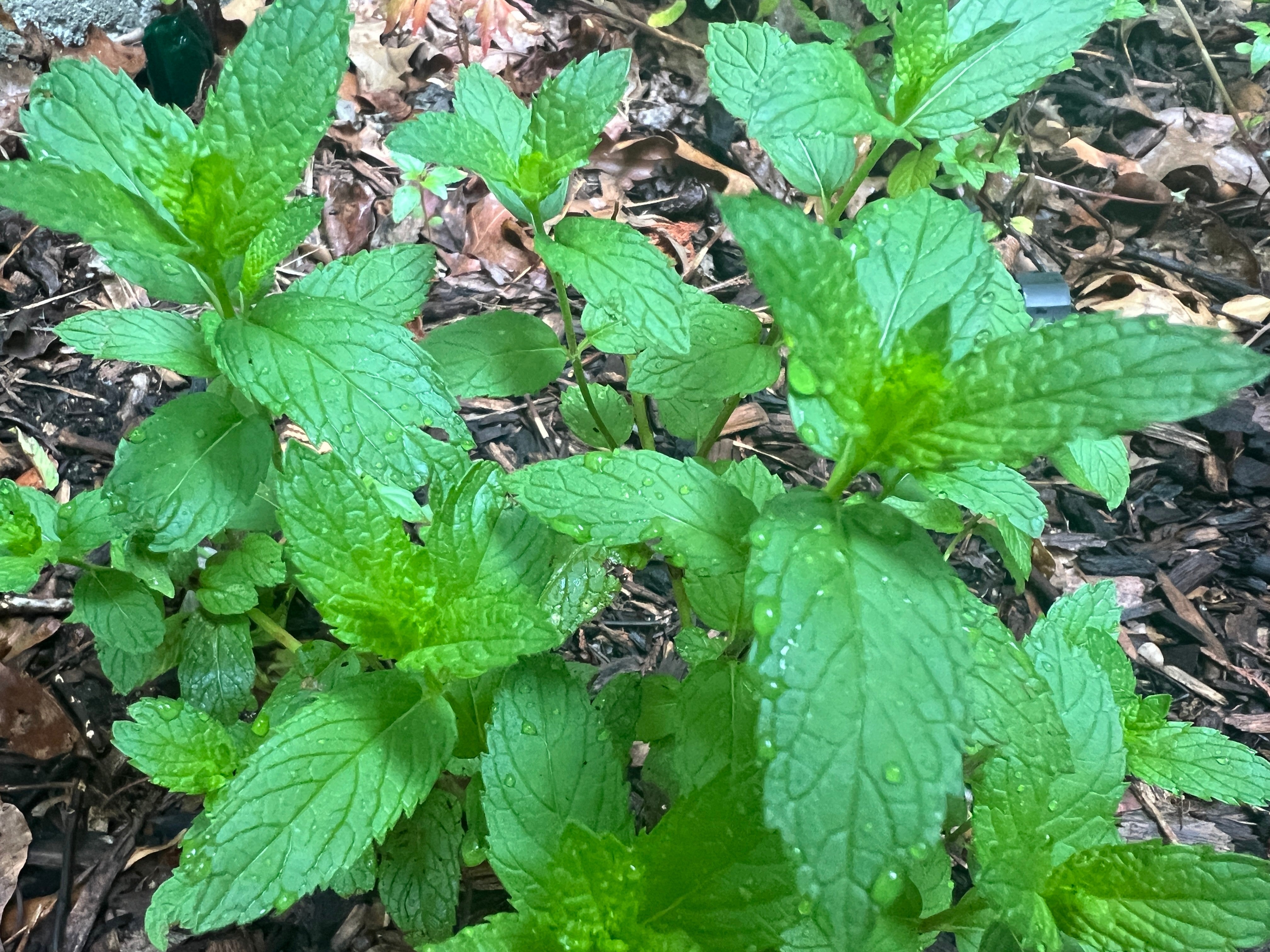
General tips for growing herbs
For a flourishing herb garden, a sunny spot receiving at least six to eight hours of daily sunlight is essential, with afternoon shade proving beneficial in hot climates. Herbs thrive in well-draining soil, whether in containers, raised beds, or garden plots. While fertilizer is rarely needed, incorporating generous compost at planting provides season-long nourishment.
To sow directly outdoors, space seeds as directed on the package label. For tiny seeds, such as mints, mix them with sand before scattering over the soil. Once seedlings reach two inches tall, thin excess sprouts to achieve recommended spacing.
Always check the “date to maturity” on seed packs or plant tags. Seeds are best sown in spring, but starter plants can be planted later if harvest precedes the first frost. Keep soil lightly moist until established, then water only when dry.
These 5 herbs are popular for tea
Here are some favorite herbs to get you started.
German chamomile: This annual plant’s miniature daisy-like flowers make a cheerful addition to the garden and brew into a lovely, delicate tea that pairs well with a bit of honey. Provide regular doses of a flower-boosting fertilizer, such as 5-10-5, according to package directions, beginning one month after planting.
Mints: There are many delicious choices. Favorites include peppermint, spearmint, chocolate mint, pineapple mint, lime mint and apple mint. All perennial mints (hardy in zones 3-9) grow and spread with abandon, so it’s best to plant them in pots rather than directly into the garden (unless you are willing to allow them to take over an entire area).
Agastache foeniculum: Commonly called anise hyssop, this perennial is often used as an ornamental in flower beds in zones 3-8 or 9. The plant’s highly aromatic leaves make a tasty licorice-flavored tea. Although related to mint, it retains a mostly mounded form and does not spread as aggressively as its cousins. Note: For tea, be sure to plant the straight species (foeniculum); although other anise hyssops may be edible, their flavors vary.
Lemon balm: Another mint relative, this perennial is hardy in zones 4-8 and should also be contained to prevent aggressive spread. Its subtle lemon flavor is refreshing without being overpowering.
Lemon verbena: This perennial shrub, hardy in zones 8-11, grows best in partial shade and is a heavier feeder than many other herbs. Apply a liquid fertilizer every 2-3 weeks to boost its health and vigor. Hardy in zones 8-11, the plant’s leaves impart a stronger, more intense lemon flavor than lemon balm.
When to harvest herbs and how to steep them
Harvest herbs in the morning, just after the dew has dried, when their essential oils are most concentrated. In my zone 7 garden, that’s typically around 10 a.m. Rinse them well and pat dry.
To use right away, heat water to just below boiling, then pour 8 ounces into a cup with 2-3 tablespoons of chopped, fresh herbs. Cover the cup and allow it to sit for 10-15 minutes. Strain, and add sweetener or combine with other herbs, as desired.
To dry herbs for future use, spread them on a screen or tie a bunch of stems together and hang the bouquet upside down. Place in a well-ventilated, dark, dry spot until they become crunchy.
Remove leaves or flowers from stems, then store in a tightly sealed glass jar in a cool, dark spot, like a kitchen cabinet, where they’ll retain their flavor and fragrance for about 2 years.
Because the drying process concentrates their flavors, you’ll need fewer herbs and less brewing time to make your tea, so start with 1 teaspoon and 5 minutes of steeping, adjusting according to your preference.

