Want to bookmark your favourite articles and stories to read or reference later? Start your Independent Membership today.
Already a member?
Log in
Energy bills are set to rise by £443 in the new year, a shock new forecast has warned, in what is set to mark a third consecutive rise.
It comes as many in the UK are already struggling with high energy costs, with Ofgem’s current price cap sitting at £1,723. Experts at Cornwall Insight have now predicted that this will rise will rise by 26 per cent to £2,166 a year on from January, hitting the highest level since 2023.
The energy price cap is the maximum amount suppliers can charge for each unit of energy to households on a standard variable tariff, which still includes most. It is expressed as an annual bill for an average home, and is not a limit.
While the price cap limits the daily standing charge and the price paid for each unit of gas and electricity, homes that use more energy to stay warm could pay even more than the headline figure.
The steep forecast is driven by higher wholesale gas prices in recent months as conflict in the Middle East continues to hit global supplies. The approach of colder weather is also now starting to increase demand across Europe, pushing prices higher.
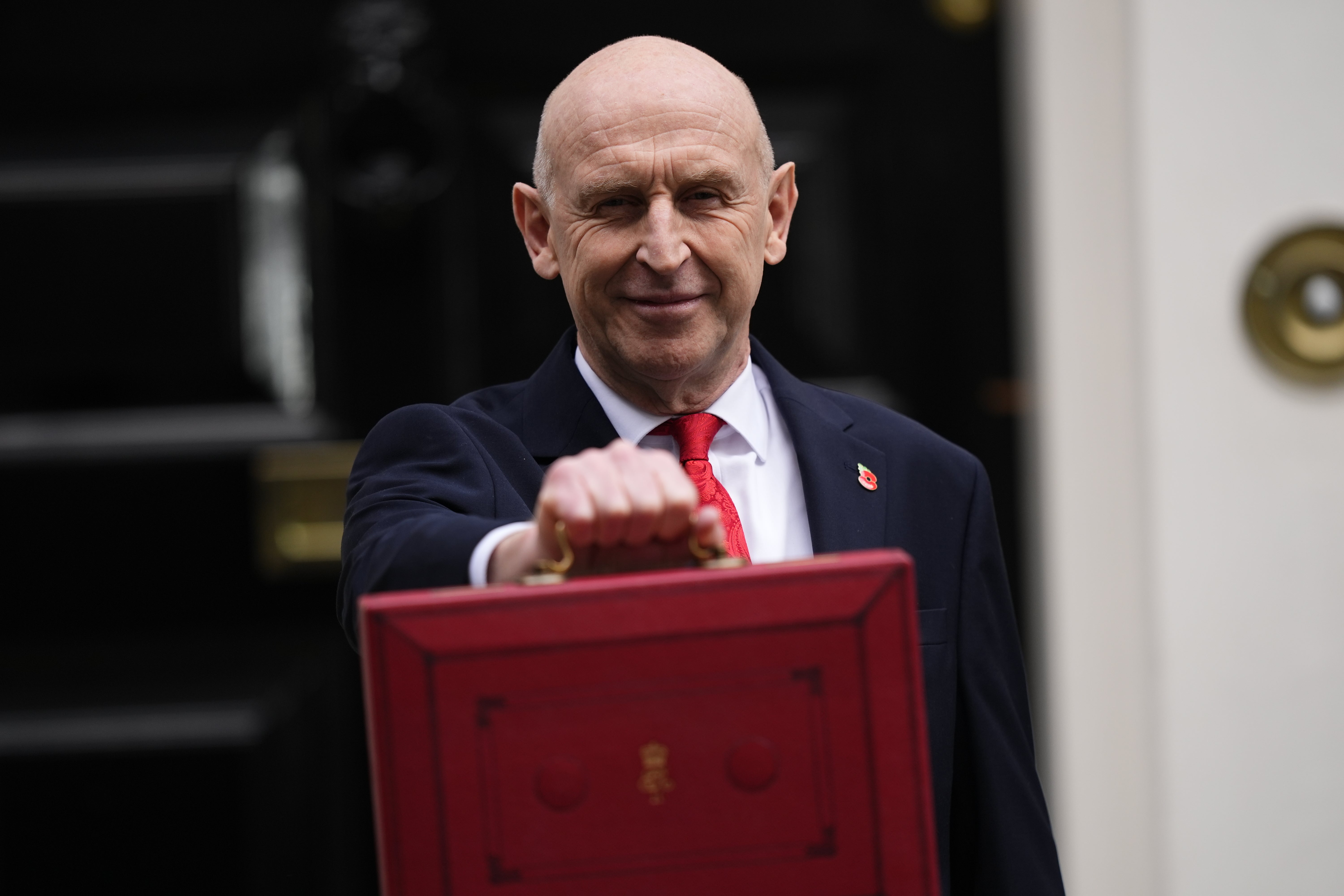
To help struggling households, the government announced the one-off £100 Household Energy Payment at the recent Budget, set to be paid to households in council tax bands A to D.
However, with the average monthly bill set to rise to over £180 in the new year, many will be looking for other ways to reduce costs.
Here are some of the expert tips and advice to help keep energy bills down this winter:
Switch to a fixed-rate tariff
Despite the expected new year energy shock, there are still a few deals on the market that can lock households into a rate below the highest level.

Invest at least £100 in Stocks or ETFs of your choice. Get fractional shares worth £50!
Terms and conditions apply.
ADVERTISEMENT
Invest at least £100 in Stocks or ETFs of your choice. Get fractional shares worth £50!
Terms and conditions apply.
ADVERTISEMENT
A fixed tariff energy deal guarantees customers will pay for their energy at a set rate for a set period of time, usually a year. They come with the risk that, should Ofgem’s price cap fall below that rate, there is usually an early exit fee to leave the deal.
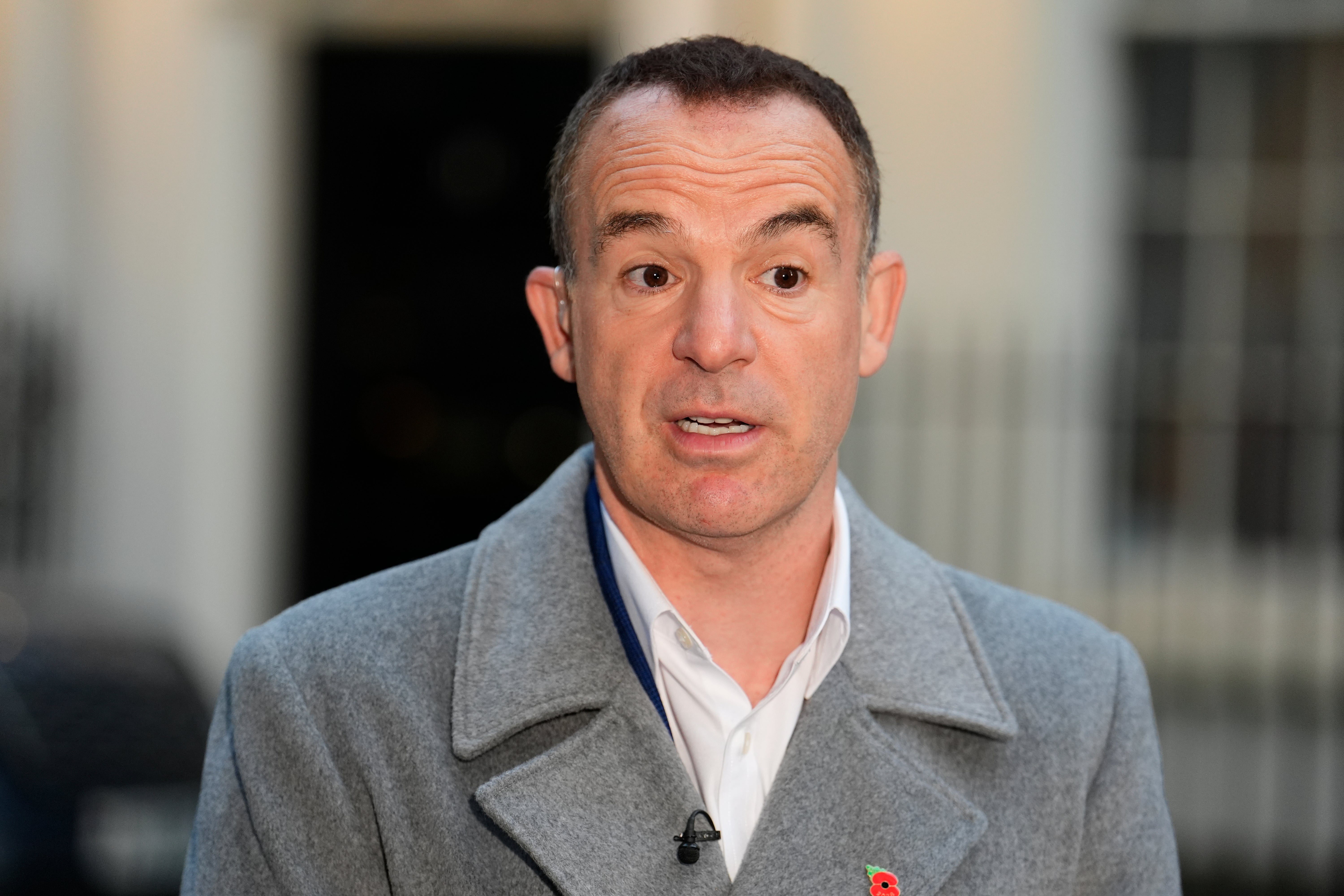
The market is limited at the moment, but Martin Lewis’ Money Saving Expert service recommends two options from Fuse Energy – one locking in for two years, and another for 16 months.
These are both actually set at around 2 per cent more than the current price cap. However, with an increase of more than 25 per cent feared to be around the corner, it is almost guaranteed that they will prove cheaper come the new year.
Don’t fall for heating ‘myths’
One alleged cost-cutting tip that people should not fall for is leaving their heating on low all day, experts warn.
This is “completely wrong”, says heating specialist Kevin Pennington, owner of Lancashire Air Conditioning.
“If you leave the heating on while you are out at work, your boiler is constantly firing up and burning expensive gas just to replace the heat that is escaping from an empty house. You should only put the heating on when you are actually at home.”
Another common pitfall in heating efficiency is not paying attention to the dust that accrues on top of radiators, Mr Pennington warns. It is a “fantastic insulator” he advises, and when the radiator gets clogged “your boiler is just burning expensive gas but the heat cannot transfer into the room efficiently.”
This can be tackled with a flexible radiator cleaning brush, or simply using a hairdryer to blow the dust away.
Another “huge mistake” people make in winter is drying wet clothes on their radiators, the heating expert adds. Doing this pumps large amounts of moisture into the house, but damp air takes “significantly more energy to heat up” than dry air.
Households may want to consider a small electric dehumidifier if they are struggling with moisture to reduce the cost of heating their home.
Take a meter reading for accurate billing
For most households, their monthly energy payments are an estimate based on predicted use for the year. If the estimate is higher than the amount actually used, the supplier should reduce the bill accordingly.
Bill payers can update their provider on exactly how much energy they have used by submitting an up-to-date meter reading, usually by email or via an online form. This could entitle them to a refund on an amount already paid.
To set this into motion for the long-term, a flexible direct debit can be requested where the energy paid for is only what is used, but this requires regular meter readings to be submitted or a smart meter to be installed.
Use appliances wisely
Household appliances can be some of the most costly things to run in the home, so ensuring they are used in the most efficient way can be a good way to cut costs.
Aseem Munshi, founder of Updraft, warns that something as simple as overfilling the kettle can save as much as £72 a year by only heating the water they need. He advises that “heating 250ml of water in a one cup-dispenser saves around 1.6p a cup compared to a normal kettle filled to its minimum line”.
Being conscious of water use when washing up can also cut costs, according to energy provider Utilita. Reducing the temperature of the tap to 50C and not running it continuously while washing dishes can save up to £86 a year, its research shows.
The same study revealed that using the correct appliance during cooking can also save on bills. Because ovens take time to heat up, generally larger than needed for the food being cooked, and take longer, switching to an air fryer or microwave can save up to £83 a year.
Check for government support
For households struggling with costs, the government offers several targeted schemes worth checking the eligibility for.
The annual Warm Home Discount is set to give around six million households an automatic £150 rebate from their energy bills this winter. To qualify, the main bill payer must be in receipt of an eligible means-tested benefit, including Universal Credit.
The Winter Fuel Payment also provides extra support worth between £100 and £300 to pensioners with a taxable income of under £35,000.
When temperatures drop, qualifying households may also receive a Cold Weather Payment, which pays out £25 for every every consecutive seven-day period of freezing weather in a certain area.
Under Ofgem rules, energy suppliers are also obligated to help those if struggling with costs. Bill payers can negotiate with them to arrange a new payment plan, payment breaks, reduced payments, more time to pay, or another solution.
For more cost of living and benefits advice, visit The Independent’s regularly updated guide