

Eggs have always been surrounded by debate. For years, many people avoided them because they were believed to be bad for cholesterol. Now, they are often praised as one of the healthiest foods you can eat. No wonder so many people are unsure about what to believe. Is it okay to eat eggs every day? Should you skip the yolk? Are boiled eggs better than fried ones? And how many eggs are too many? If you are someone who loves eggs, read on to know what the experts have to suggest and how you can get maximum nutrition from them.
Also Read: Home Kitchen To Rs 75 Crore, R Madhavan Impressed By Mother-Son’s Thekua Business
What Are The Health Benefits Of Eggs?
Photo: Unsplash
There is a reason eggs are often called a nutritional powerhouse. One large egg provides around 6-7 g of high-quality protein along with all nine essential amino acids, making it a complete protein. Eggs are also a source of choline, vitamin D, vitamin B12, selenium and healthy fats.
According to nutritionist Shalini Sudhakar, many people make the mistake of throwing away the yolk. She advises eating the whole egg, as the yolk contains several important vitamins, including vitamins A, D, E and B12. Recent reviews also highlight that eggs provide nutrients such as choline, lutein and zeaxanthin, which support brain and eye health.
So, How Many Eggs Should You Eat?
There’s no single number that works for everyone, but moderation is key. Nutritionist Dr Rupali Datta recommends that healthy adults can include about one egg a day, around three to four times a week, as part of a balanced diet. Children can generally have one egg daily to support growth and development, while people with heart disease or high LDL cholesterol should discuss their intake with their doctor and may need a more personalised recommendation.
Research study from the American Heart Association also notes that up to one whole egg a day can fit into a heart-healthy dietary pattern for most healthy individuals.
What’s The Healthiest Way To Eat Eggs?
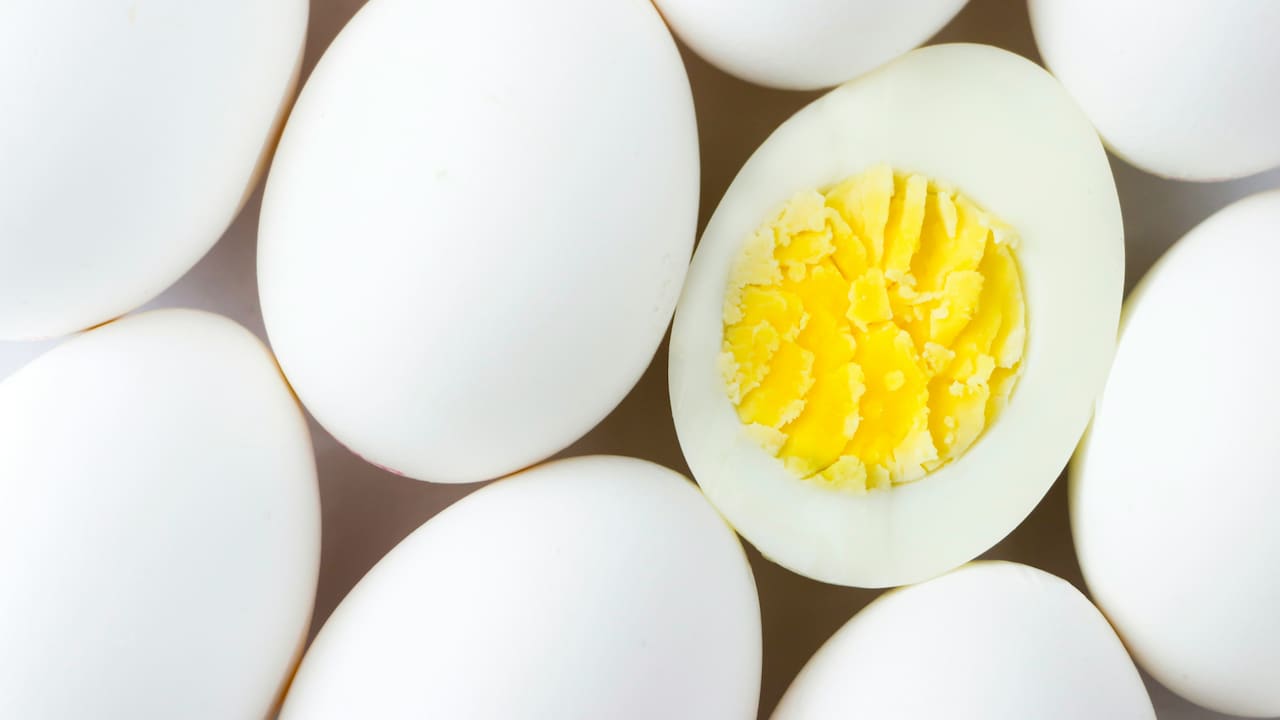
Photo: Unsplash
The way you cook your eggs can make a difference. According to Shalini Sudhakar, boiled, poached or lightly scrambled eggs are among the healthiest options because they require little or no added fat. She also recommends keeping the yolk instead of discarding it, since that’s where many essential nutrients are found.
Pairing eggs with vegetables, whole grains or oats can make your meal more balanced by adding fibre, something eggs naturally lack. Experts also advise avoiding raw eggs because cooking improves protein availability and reduces the risk of food-borne illness.
Are Eggs Really Bad For Your Heart?
For years, eggs were criticised because they’re naturally high in dietary cholesterol. However, newer evidence suggests the picture is more nuanced. An American Heart Association scientific advisory notes that, for most healthy people, moderate egg consumption is not consistently associated with a higher risk of cardiovascular disease when eaten as part of an overall healthy diet. What matters just as much is what you eat alongside your eggs. Pairing them with vegetables and whole grains is a healthier choice than serving them with processed meats, refined carbohydrates or foods high in saturated fat.
Also Read: Viral: Restaurant Runs Out Of Cheesy Momos, Wins Customer And The Internet With One Small Act
Can You Eat Too Many Eggs?
Even healthy foods are best enjoyed in moderation. Eating large quantities of eggs while ignoring other protein sources can make your diet less varied. Experts also point out that a high-protein diet without enough fibre-rich foods may leave some people feeling bloated or constipated. Research shows that higher egg intake can modestly increase LDL and total cholesterol in some individuals, although HDL (“good”) cholesterol may also rise and responses vary from person to person. This is one reason why experts recommend looking at your overall diet instead of relying heavily on a single food.
So, eggs are among the most nutritious foods you can eat, offering high-quality protein along with several essential vitamins and minerals. For most healthy adults, they can comfortably be part of a balanced diet. The key isn’t simply deciding how many eggs to eat-it’s also about how you cook them, what you pair them with and ensuring they’re part of a varied eating pattern. As both nutrition experts and current research suggest, moderation and balance matter far more than fearing the humble egg.

