

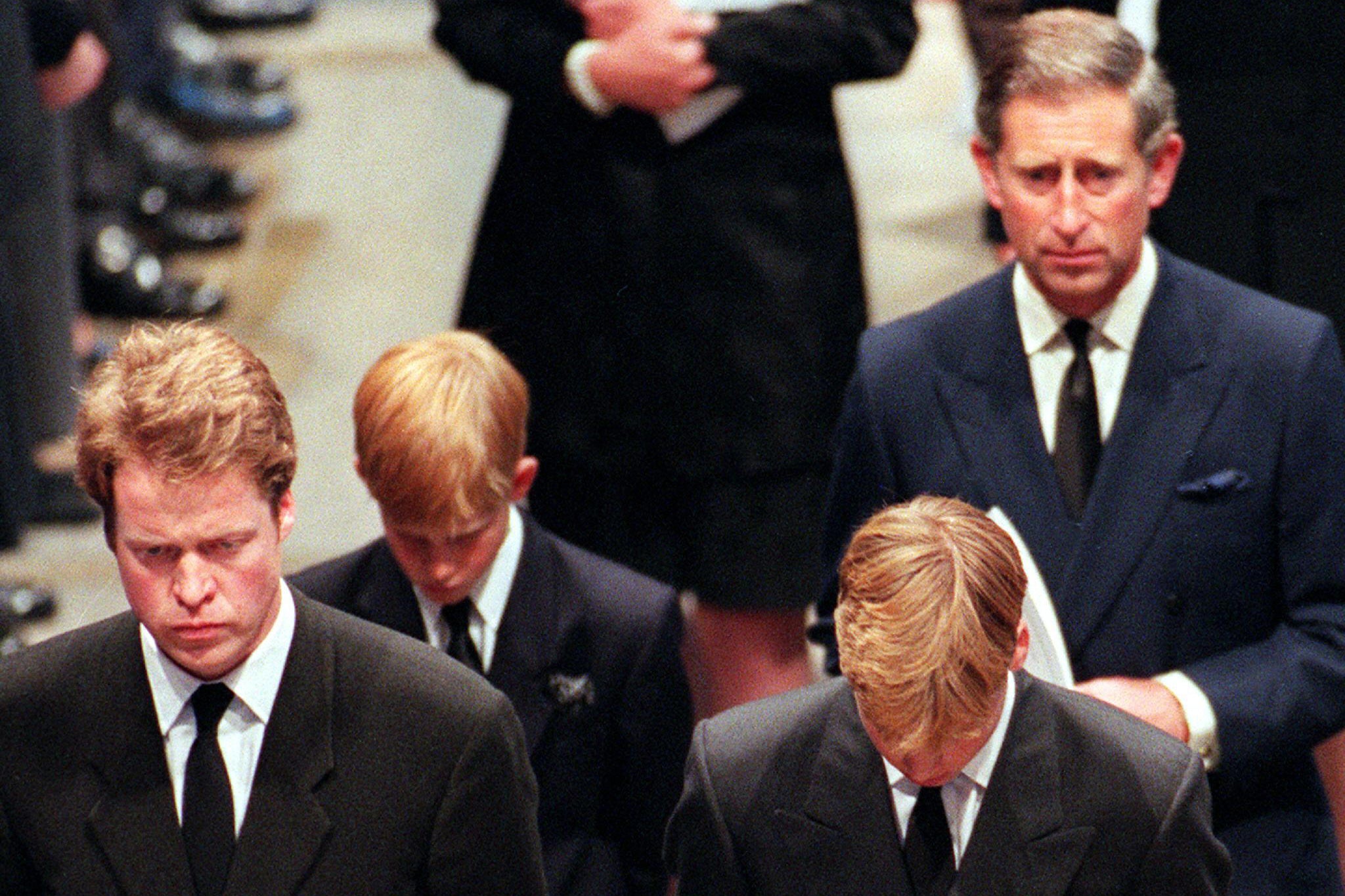
When Charles, the ninth Earl Spencer, delivered his blistering eulogy at the funeral of his sister Diana, it felt like the opening salvo in a war of words with the Windsors. Diana’s “blood family”, the Spencers, he said, would do everything they could to ensure that William and Harry were not “simply immersed by duty and tradition”, a clear rebuke to the stultifying palace culture under which his sister had struggled. Stunned silence followed – until a wave of applause broke out from the crowd gathered outside Westminster Abbey.
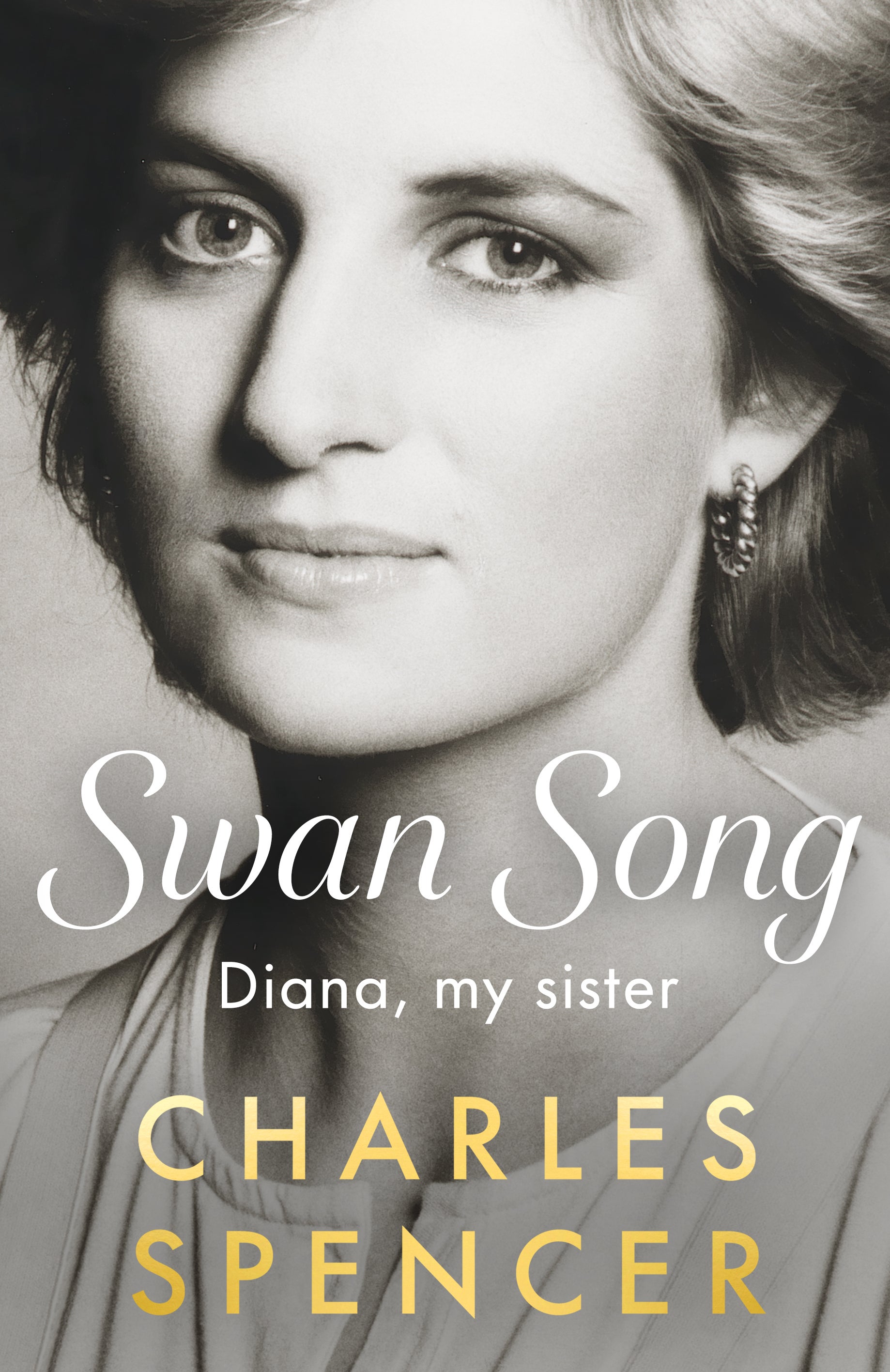
Thirty years later, Diana’s younger brother, now 62, has lobbed another verbal grenade at the royal family. In his upcoming book Swan Song: Diana, My Sister, the 62-year-old reportedly claims that mere days after the Princess of Wales’ untimely death in 1997, her former husband Charles told him: “Rest assured, we’ll forget her soon enough!”
It is a striking assertion – and one that has prompted a rare rebuttal from the palace. “While we do not comment on books as a matter of principle, His Majesty is mindful that the pain of fraternal grief can cloud reason, affect judgement and colour memory in ways others do not recognise, even many years after such a loss,” a royal spokesperson said in response.
It is, perhaps, King Charles’ version of his mother’s famously understated line, “recollections may vary”. But this will surely not be the only bombshell claim that the Windsors might have to contend with when Swan Song is released next week. The book marks “the first time that Earl Spencer has spoken openly and at length about his sister”, his publishers have said.
His aim, he adds, was to “tell the truth about Diana from her brother’s perspective, just as I attempted to do when speaking at her funeral”. And “as with my eulogy, I want to speak on Diana’s behalf and do so in an openly positive way”. Those words, “as with my eulogy”, were probably enough to put the palace press team on high alert when the book was announced just a month ago.
There have, of course, been countless books, films, documentaries and TV shows both factual and fictional, all purporting to show us the “real” Princess Diana. But her brother, the constant companion of her difficult childhood who has positioned himself as the defender of Diana’s legacy in the years following her death, is uniquely placed to do so. Their bond was forged in the sadness and isolation of their turbulent aristocratic upbringing – but was tested as her public and private life became more and more complicated.
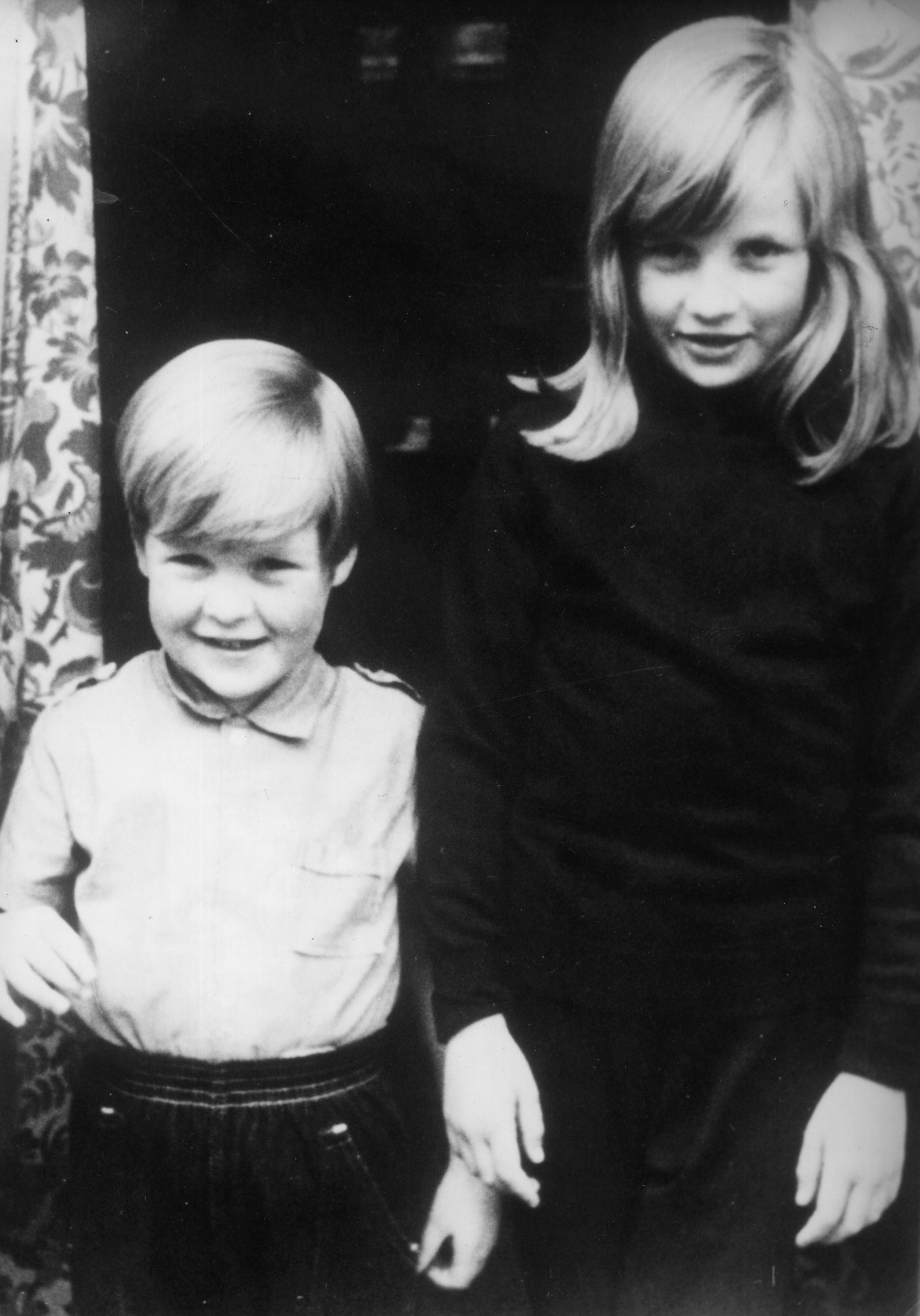
Diana was the third daughter of John, who would become the eighth Earl Spencer, and his wife Frances. She was born in 1961, shortly after the death of their first son; the couple felt burdened by the pressure to produce another male heir to inherit the Althorp estate, and this impetus was obvious even to the young Diana, who throughout her childhood was plagued by the sense of never really having been wanted.
Diana would later recall hearing her younger brother crying for his mother at night, but feeling too scared of the dark to depart her room to comfort him
But when a baby boy arrived a few years later in 1964, much to her parents’ relief, she didn’t resent this new addition to the family. Instead, her and Charles were fast friends; Diana would toddle along as the nanny pushed Charles around in his pram, and sometimes the two youngsters would cross paths with Queen Elizabeth II as they traversed the park on the Sandringham Estate where they lived. “What made it a real joy to stay with them was what a wonderful older sister she was,” their cousin Robert would later tell biographer Tina Brown.
John and Frances’ marriage was not a happy one, and was pushed to the limit by that struggle to birth an heir. When Diana was six and Charles was three, Frances left her husband for wallpaper heir Peter Shand Kydd; her absence was not properly explained to the children, who struggled to understand why their mother seemed to have abruptly left.
Diana would later recall hearing her younger brother crying for his mother at night, but feeling too scared of the dark to depart her room to comfort him – then feeling guilty for leaving him twice abandoned. John was eventually granted custody of all four of their children, and while their older sisters Sarah and Jane were off at boarding school, the younger Spencers would spend weekends shuttling back and forth between the family home and their mother’s London flat.
This was an experience so formative for the pair that Charles would later recall it in his funeral tribute. “She had not changed at all from the big sister who mothered me as a baby, fought with me at school and endured those long train journeys between our parents’ homes with me at weekends,” he remembered.
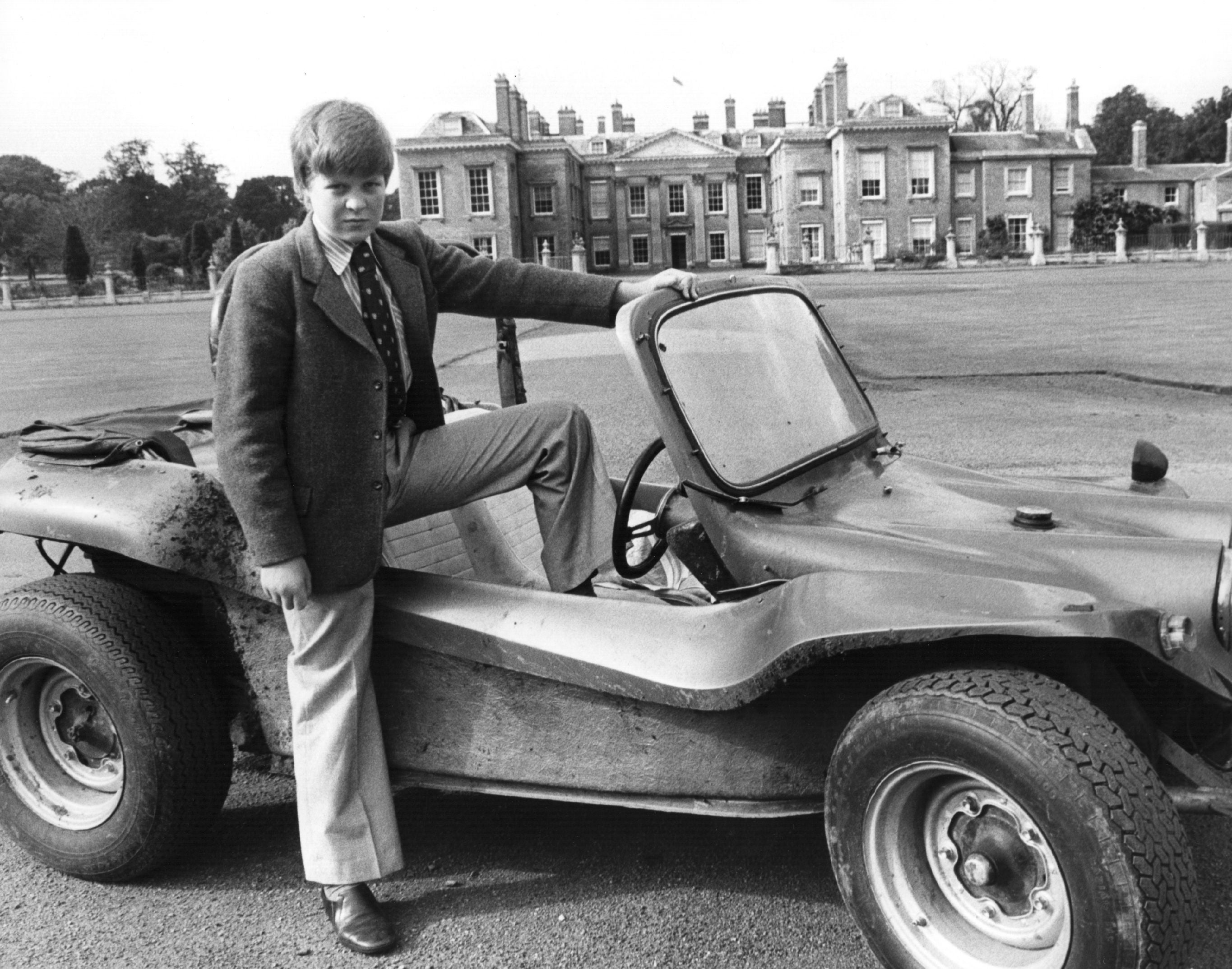
Their father was not exactly a hands-on parent either, even by the standards of the day. The children would eat their meals in their nursery with their nanny, while John ate in the grandeur of the dining room. Consumed by financial worries and the fallout from the divorce, he would remain a distant presence – only making Charles and Diana’s bond the more important.
So close were the pair that, on Spencer’s first day of school in Norfolk, Diana struggled to sit still while worrying about how her brother was settling in. “She was wriggling around and not able to pay attention,” he remembered. With the teacher’s permission, she left the class to check on him, “and came back and said to the headmistress, ‘he’s fine!’ and sat down”.
When John inherited Althorp from his father in 1975, they swapped Norfolk for Northampton, and Diana and Charles would “roam the unfamiliar halls”, Brown writes; their older sisters, by this time, had moved away to London to start their own lives, meaning that it was the two younger Spencers who bore the brunt of the move to this overwhelming – and money-sapping – estate.
Charles was still a teenage pupil at Eton when Diana got engaged to the other Charles, and so his views on his sister’s romantic life weren’t public fodder (although you can only imagine what he thought about Diana winding up with someone who had already dated their older sibling, Lady Sarah). To him, “she looked as happy as I have ever seen her look,” he later recalled to Brown. “It was genuine because nobody with insincere motives could look that happy.”
When Diana was thrown into the public eye, Spencer “took a view very early on” that it would be his role to remain frank and straightforward with her, continuing to treat Diana as a sister rather than as the Princess of Wales – to try and keep her grounded, when others around her might become flattering yes-men and women, essentially.
I think it was tricky for her to hear anything except how marvellous life was – but I thought that was my duty
Charles Spencer
“I remember going to a dinner soon after she’d become what she became, given by sort of friends in a private room in a restaurant in Fulham,” he later recalled to The Times. “I remember thinking, ‘Crikey, they’re all sucking up to her like crazy.’ I realised that my job was to be absolutely solid as a brother and just remain the same.”
This, he admitted, could sometimes prove “difficult”, as he was compelled to “say things that people weren’t saying to her in a loving way, a constructive way, and I think it was tricky for her to hear anything except how marvellous life was – but I thought that was my duty”.
In 1992, Spencer inherited the estate following their father’s death; shortly after Diana’s split from the Prince was announced by John Major in December that year, she spent Christmas at Althorp with her brother and his first wife, Victoria, while her young sons joined the royal celebrations without her at Sandringham.
It was a desperate and painful time – “She went to bed early, glum and in tears,” a report from the Sunday Mirror claimed – but it seemed to spark a vision in Diana of her family seat as a potential refuge. Not long after, she set her sights upon moving into the Garden House, a Palladian-style villa on the estate.
It was, however, far too exposed a site for the most photographed woman in the world to live in. “Diana had a lovely dream that she could live a normal life afterwards,” Spencer later told BBC Radio 4. “But the one house that she set her heart on in the park was three bedrooms and 100 yards from the road. And it was just not possible. The police knew it wouldn’t work.”
Her brother then offered “every other property that was suitable on the estate” – including the historic Wormleighton Manor – and “really felt it was the right decision for her, but she probably couldn’t see it”.
She is said to have turned down all his other proposals, and the incident seemed to prompt a cooling off in their relationship, albeit far from any outright estrangement. Indeed, the disgraced journalist Martin Bashir showed forged documents to Spencer as part of his attempts to secure the famous Panorama interview of 1995, initially establishing trust with her family in a bid to gain access to the princess.
But, it seems, the relationship between the siblings were not entirely smooth. When Diana’s butler Paul Burrell included private correspondence from her family and in-laws in his 2003 memoir A Royal Duty, one of the letters was a 1996 missive from Spencer to his older sister.
In it, he reportedly said that he “long ago accepted that I was a peripheral part of [Diana’s] life”, and that it was “easier” for him and his family “to be in that position as I view the consternation and hurt your fickle friendship has caused so many”. He is also claimed to have written that “manipulation and deceit are parts of the illness”, referring to her bulimia, and to have added that he hoped she was “getting appropriate and sympathetic treatment for [her] mental problems”.
There is, it should be noted, no love lost between Burrell and the Spencers; the butler even called the Earl a “hypocrite” after his funeral speech, claiming that his “stomach turned” when he listened to it. For his part, Spencer described the letter as “private correspondence that has been taken out of context and out of time” – “all the loving letters I sent”, he added, “don’t have the saleability of this one”, which he called “a genuine attempt to help her when she was at her most complex”.
His funeral speech marked the start of Spencer’s efforts to safeguard his sister’s legacy. As the custodian of Althorp, he ensured that his sister was buried at a private spot on the family’s estate, away from the gaze of the public; he still visits the site “pretty much every day”, he stated in a 2024 interview. He has described the grief of losing his sibling so young as akin to “an amputation” – “I don’t share my childhood with anyone anymore,” he explained, “and that’s a great loss that you can never really put right.”
Although he was named as a guardian of William and Harry in Diana’s will, Spencer claimed in 2002 that he had been frozen out by the Windsors. “What I can say is that they may not be encouraged to stay in touch with their mother’s side of the family,” he told The Guardian. At the time, the palace said this was a “private family matter”.
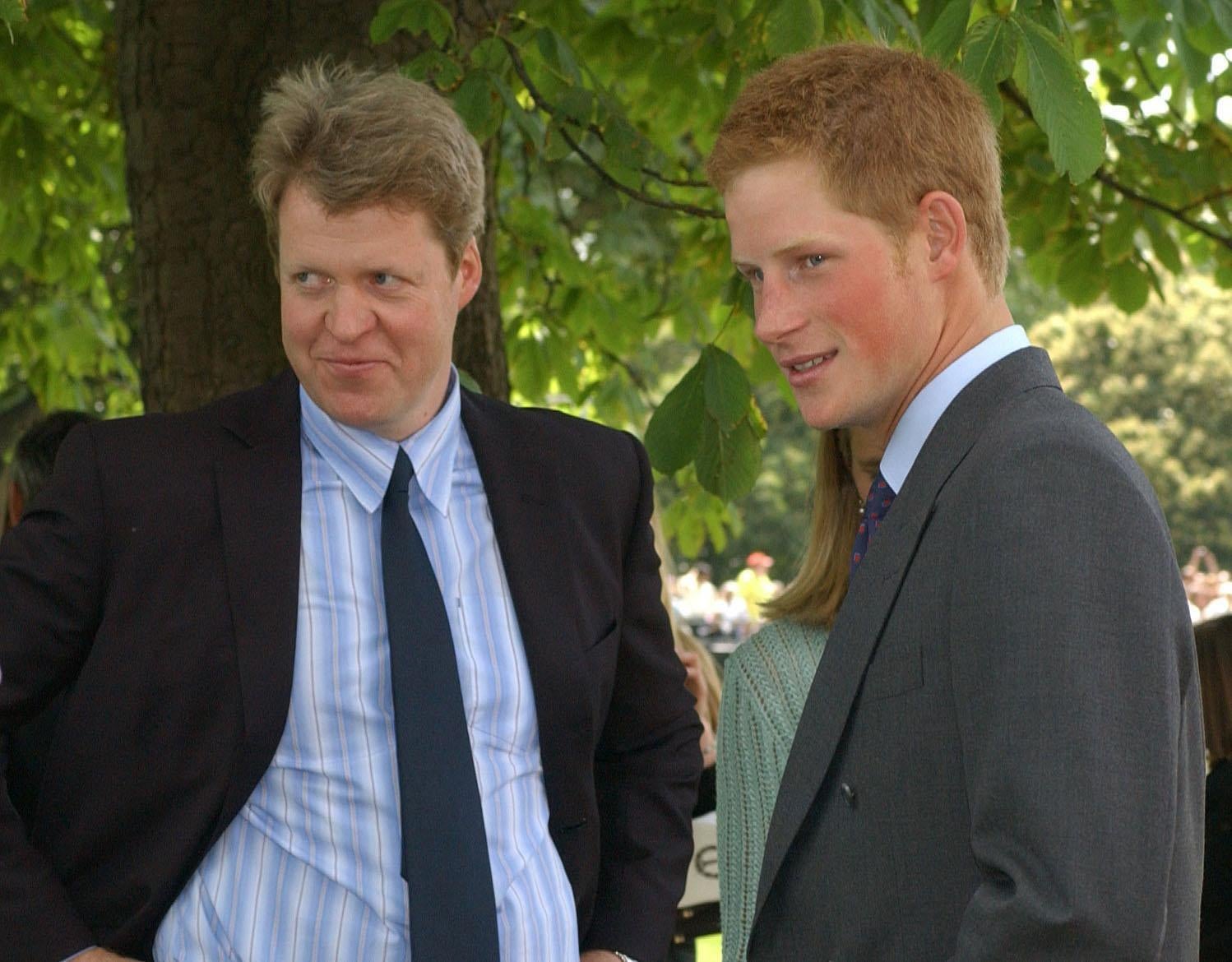
Still, any distance during their childhood seems to have narrowed, especially between Spencer and his younger nephew, Harry, who has, like his mother, seemingly adopted Althorp as a haven, using it as a base during his visits from California to the UK while his estrangement from the other side of his family persists. Last year, there were even reports suggesting that Harry had explored changing his family name to Spencer.
You can only assume that uncle and nephew compared notes on what it takes to write a memoir that really gets the royals’ backs up. And, in a way, isn’t that in keeping with Diana’s legacy, too?

